






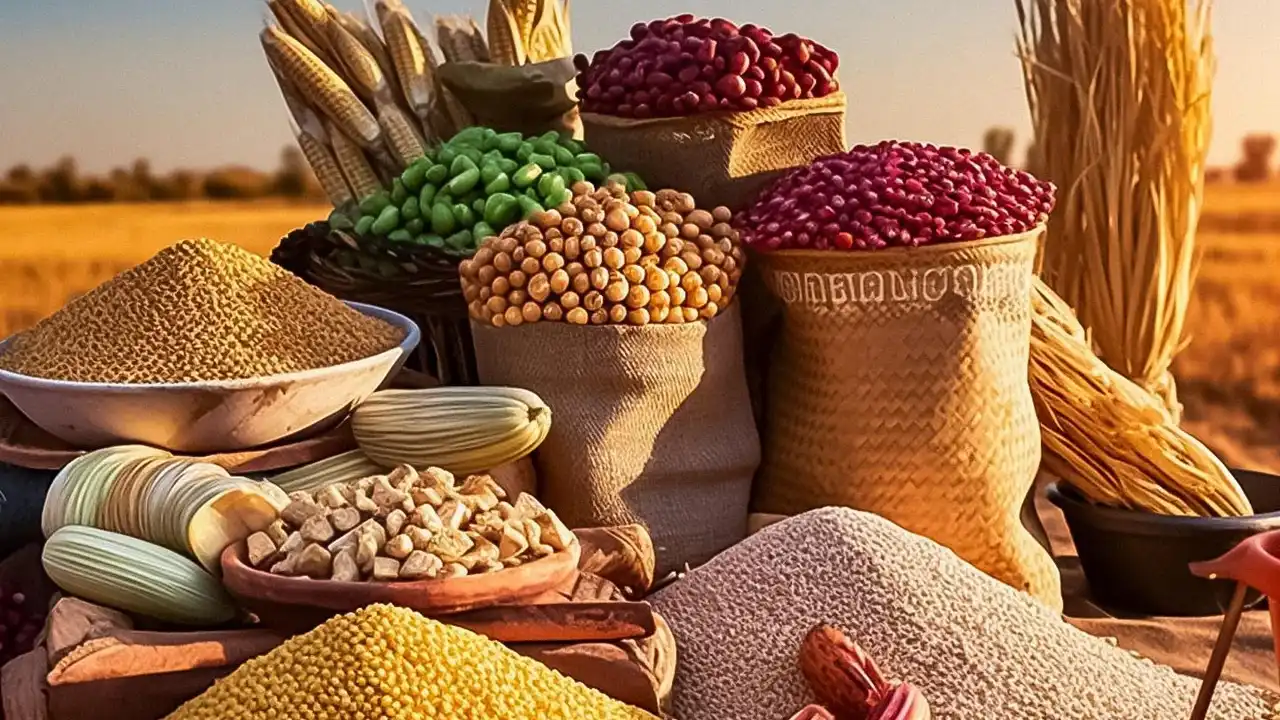
The Government's Strategy: Open Doors for Imports
India, the world's largest producer and consumer of pulses, consistently faces a demand-supply gap. Annual demand hovers around 28-29 million tonnes, while domestic production is about 24-25 million tonnes. To bridge this shortfall and control food inflation,
the government employs a flexible import policy. Recently, it extended duty-free imports for tur (pigeon peas) and urad (black matpe) until March 2027. Furthermore, due to a patchy monsoon threatening the domestic harvest, the government is considering lowering import duties on lentils and yellow peas. This strategy is designed to increase the availability of pulses in the open market, thereby putting downward pressure on retail prices, especially during the festive season when demand surges.
A Sigh of Relief for the Consumer
For the average Indian family, the primary benefit of pulse imports is immediate and tangible: lower prices. When domestic supply tightens due to poor monsoons or lower-than-expected yields, prices for essential dals like tur and urad can skyrocket, straining household budgets. By allowing cheaper imports from countries like Myanmar, Canada, Australia, and nations in Africa, the government can effectively cap a sharp rise in prices. This measure is a classic tool to combat food inflation, ensuring that this critical source of protein remains affordable for millions. By boosting supply, the policy directly addresses consumer concerns and helps maintain stability in the food market, preventing the kind of dramatic price spikes that can have widespread economic and political repercussions.
A Bitter Harvest for Farmers
While consumers may welcome lower prices, farmers often find themselves on the losing end of this policy. The influx of cheaper imported pulses can depress domestic market prices, especially if it coincides with the local harvest season. This often means farmers are unable to sell their produce at the government-announced Minimum Support Price (MSP), forcing them to settle for less with private traders. Many farmer organizations argue that this policy disincentivizes them from cultivating pulses, which are predominantly grown in rain-fed areas with significant risks. The lack of a robust procurement infrastructure for pulses, unlike wheat and rice, further compounds the problem, leaving farmers feeling neglected and caught in a vicious cycle of low investment and low returns.
The Search for a Long-Term Solution
Relying on imports is widely seen as a short-term fix for a deep-rooted structural problem. Experts and farmer groups point towards the need for a long-term strategy focused on achieving self-sufficiency ('Aatmanirbharta') in pulses. Initiatives like the government's 'Mission for Aatmanirbharta in Pulses' aim to boost domestic production by encouraging farmers to cultivate more pulses through better seeds, technology, and guaranteed procurement. However, the success of such missions depends on consistent policy support. This includes strengthening MSP procurement mechanisms to ensure farmers get remunerative prices, investing in irrigation and productivity improvements for rain-fed agriculture, and creating a stable policy environment that doesn't sacrifice farmer interests for short-term price control.