








A Monsoon of Patches and Puzzles
The 2026 southwest monsoon season is concluding on a note of anxiety. The India Meteorological Department (IMD) has noted that the withdrawal is set to begin around September 19, slightly later than usual. However, the bigger story is the significant
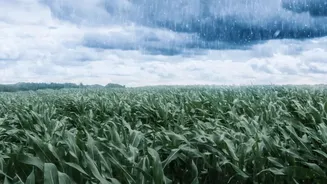
deficit and its uneven distribution across the country. As of mid-September, the all-India monsoon deficit stands at around 15%. This national average hides a more complicated reality: some regions are grappling with severe shortfalls while others have received adequate or even surplus rain. This 'spatially skewed' monsoon, one of the most distorted in a decade, makes planning difficult for the agricultural sector. The south peninsula is facing a deficit of around 28%, with east and northeast India not far behind. This patchwork of rainfall means there isn't one simple story for the country's farm economy.
The Double Impact on Soil and Reservoirs
The erratic end to the monsoon has a two-fold impact critical for the Rabi, or winter crop, season. Firstly, it affects the residual moisture in the soil. Crops like wheat, gram, and mustard, which are sown from October onwards, depend heavily on this initial soil moisture for germination and early growth. A dry September can mean farmers need to pre-irrigate their fields, adding to costs and labour. Secondly, it determines the water levels in India's major reservoirs, which are the lifeline for irrigation during the dry winter months. While recent rains have helped storage levels recover in western and central India, the overall national storage remains below normal levels compared to the long-term average and significantly lower than last year. Key agricultural regions in the south and north still face reservoir levels that are sharply below normal, creating a precarious situation for water-intensive Rabi crops.
What This Means for Key Rabi Crops
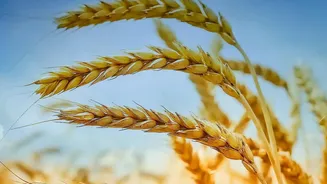
The success of the Rabi season is crucial for India's food security, as it accounts for nearly half of the country's foodgrain production. Wheat is the anchor of this season, and its sowing is particularly sensitive to temperature and soil moisture. While farmers have shown resilience, the current conditions pose a challenge. Low moisture can delay sowing, which in turn can expose the crop to heat stress later during its crucial grain-filling stage. Other important Rabi crops face similar risks. Mustard, a key oilseed, and pulses like gram (chickpea) and lentils, prefer cooler temperatures and adequate moisture for a good start. While these crops generally require less water than wheat, poor initial conditions can impact their acreage and eventual yield. Analysts have flagged that the current conditions could put pressure on agricultural growth and food prices in the coming months.
The Regional Divide
The impact of the uneven monsoon is not felt uniformly. States in central and western India are in a relatively better position, with recent rains pushing reservoir levels to near or above normal capacity. However, several major agricultural states are facing deep rainfall deficits that are unlikely to be erased before the monsoon's withdrawal. These include key grain-producing states like Punjab and Haryana, and states in the south such as Karnataka, Kerala, Telangana, and Andhra Pradesh. This regional disparity will likely lead to varied outcomes in the Rabi season. Farmers in areas with better reservoir storage may proceed with normal sowing plans, while those in water-stressed regions might have to make difficult choices. These choices could include shifting to less water-intensive crops, reducing the area under cultivation, or relying more heavily on groundwater, which puts further strain on already depleted resources.