





The Unmatched Allure of Ranthambore
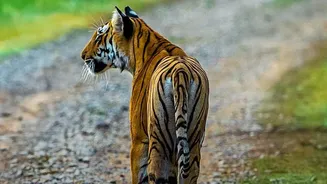
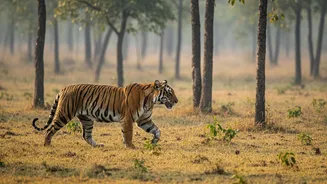
Ranthambore National Park in Rajasthan is more than just a wildlife sanctuary; it's a bucket-list destination. Its global fame rests on offering one of the most reliable opportunities to see Royal Bengal tigers in their natural habitat. Unlike denser
forests, Ranthambore's mix of dry deciduous foliage, ancient forts, serene lakes, and open grasslands provides a dramatic backdrop and clearer lines of sight. This unique landscape, combined with a healthy tiger population, creates an unparalleled safari experience. The demand is a testament to its magic. When advance bookings for the upcoming season opened in August 2026, a staggering 40,000 registrations were made in just two hours, highlighting the park’s immense popularity among both Indian and international tourists.
Understanding the Standard Safari Experience
Currently, the standard jungle safari in Ranthambore is a meticulously organised affair. Each safari lasts for approximately three to three and a half hours. The park operates two shifts per day: a morning safari that begins around sunrise and an afternoon safari that concludes just before sunset. These timings are not arbitrary; they are designed to coincide with the hours when tigers and other wildlife are most active, either hunting in the cool of the morning or moving towards water bodies as the day ends. Every vehicle that enters the park—whether a smaller Gypsy or a larger Canter—is assigned a specific route within a designated zone to ensure the park's carrying capacity is not breached and the wildlife is not unduly disturbed. This structured approach aims to balance tourist access with crucial conservation needs.
Decoding the Safari Zones (1-10)
Perhaps the most confusing part of planning a trip is understanding the park's 10 zones. These can be broadly divided into two categories. Zones 1 through 5 are considered the 'core' zones. Historically, these areas have had the highest tiger density and feature iconic landmarks like Padam Talao and Rajbagh Lake. Zones 3 and 4 are often cited as prime spots for sightings. Zones 6 through 10 are the 'buffer' zones, added later to reduce tourist pressure on the core. While they may be perceived as secondary, these zones are often less crowded and offer a wilder, more serene experience. As tigers are territorial and the population grows, sightings in these buffer zones have become increasingly common. Your safari permit is zone-specific, and while you can state a preference during booking, the final allotment often depends on availability.
Choosing Your Ride: Gypsy vs. Canter
Visitors have two vehicle options for their safari: the 6-seater Maruti Gypsy or the 20-seater Canter. The Gypsy offers a more private and intimate experience, ideal for small groups, families, and serious photographers who value the flexibility to get a better angle. Its smaller size makes it more agile on narrow tracks. The Canter, an open-topped bus, is the more budget-friendly option and is great for larger groups or solo travellers. Its elevated seating provides a good panoramic view over grasslands. While the experience differs in terms of comfort and exclusivity, it's crucial to know that both Gypsies and Canters are allotted to all 10 zones. Your choice of vehicle doesn't determine your chances of a tiger sighting, but it does shape the nature of your safari journey.
The Case for a Shorter Safari
The headline's mention of a "two-hour safari demand" raises an interesting question: could shorter trips work? Proponents of such an idea, often hotel operators and time-crunched tourists, would argue it could increase the number of available slots per day, allowing more people to experience the park and potentially generating more revenue for conservation. A shorter, cheaper safari might also appeal to visitors on a tight schedule or budget. However, the arguments against it are significant. A two-hour trip would feel rushed, transforming a patient wildlife-watching experience into a frantic chase. The probability of a sighting would decrease dramatically, as guides need time to track animal movements. Furthermore, increasing the frequency of vehicle entries could heighten stress on the wildlife and place more pressure on the park's fragile ecosystem, undermining the very conservation efforts that make Ranthambore special.