




The Invisible Hand Guiding Your Scroll
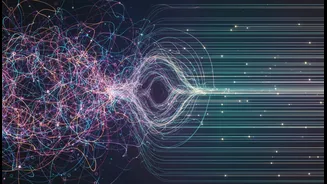
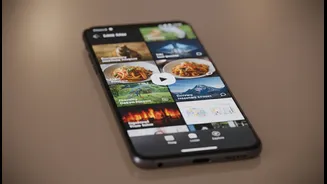
Every time you open Instagram, X (formerly Twitter), or Facebook, a powerful system gets to work. This is the algorithmic feed, a complex set of rules designed to show you what it thinks you want to see. Its primary goal is to maximize your engagement—your
likes, comments, shares, and overall time spent on the platform. To do this, it analyzes your every move: what you pause on, what you share in DMs, and who you interact with most. It then serves you a personalized menu of content it predicts you’ll find irresistible, ensuring you stay online longer, where you can be shown more ads. This system is why your feed feels less like a window to the world and more like a mirror reflecting a very specific version of you.
Trapped in the Recommendation Loop
The downside of this hyper-personalization is the “recommendation loop” or “echo chamber.” When you engage with a certain type of content—say, a video about a specific political viewpoint or a fitness trend—the algorithm shows you more of the same. This continuous feedback loop can narrow your perspective, reinforcing existing biases and limiting your exposure to different ideas. Over time, this can warp your perception of reality, making the world seem more divided or homogenous than it is. Psychologically, this can lead to feelings of anxiety, inadequacy from social comparison, and even addiction as you get caught in an endless, often negative, scroll.
The Alternative: A Return to Chronology
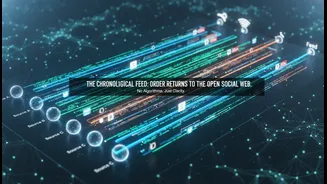
An algorithm-free, or chronological, feed is a return to social media's past. It displays posts from the accounts you follow in the order they were published, with the newest content appearing at the top. There are no predictions about what you'll like or find engaging; it's a simple, unfiltered stream of information. Most major platforms, including Instagram, Facebook, and X, have reintroduced this as an option, though it's often tucked away in a menu and may reset to the algorithmic default after you close the app. This small change puts the power of curation back in your hands, shifting the experience from passive consumption to active choice.
The Upside: More Control, Less Manipulation
Switching to a chronological feed offers several key benefits. First, it provides transparency and predictability; you know why you're seeing a post—because it's new. This can break the cycle of outrage and emotional content that algorithms often promote because those posts get high engagement. It also gives equal visibility to all the accounts you follow, not just the ones with viral content, allowing you to see updates from smaller creators or friends who post less frequently. For many, the most significant advantage is a sense of finality. A chronological feed has an end. Once you're caught up, you can close the app, which can help reduce compulsive scrolling and the associated anxiety.
The Potential Downsides: FOMO and Filter Failure
However, an algorithm-free world isn't without its own challenges. Algorithmic feeds are good at surfacing what's popular or important, and without them, you might miss a major news event or a significant life update from a friend that gets buried under a flurry of other posts. The burden of content discovery shifts entirely to you. You are responsible for finding and following new and interesting accounts, as the platform will no longer serve you suggestions based on your interests. Some critics also argue that chronological feeds have their own bias, rewarding those who post most frequently rather than those who post the highest quality content. For brands and creators, it also means the timing of posts becomes critical again, which could lead to a focus on quantity over quality to stay visible.