
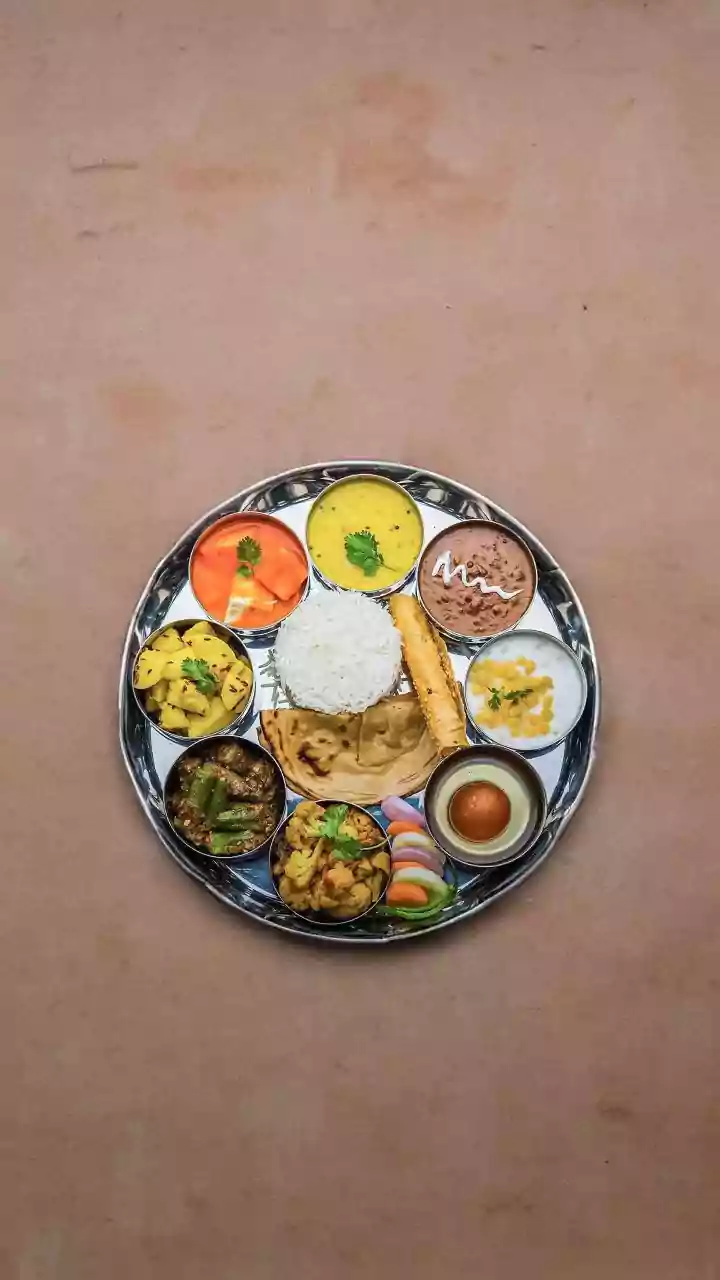


The Art of Deconstruction
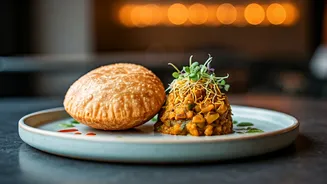
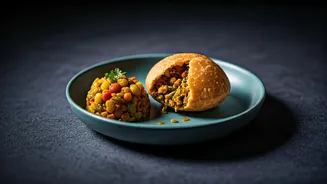
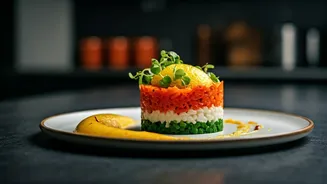
One of the most playful trends in modern Indian cuisine is deconstruction. Chefs are taking apart iconic street foods and comfort dishes, then reassembling them in surprising new forms. Imagine a 'deconstructed' samosa where the crispy shell, spicy potato
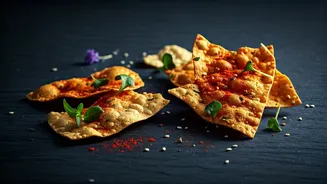
filling, and tangy chutneys are presented as separate, artful elements on a plate. Restaurants like Farzi Café have become famous for this approach, serving dishes like their signature Pav Bhaji #farzified, where the buttery bread is replaced with a light foam. This isn't just a gimmick; it’s a way to experience familiar flavours with a fresh perspective, forcing you to appreciate each component of a dish you thought you knew inside and out.
Global Ingredients, Desi Soul
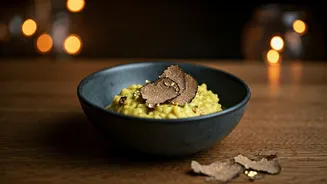
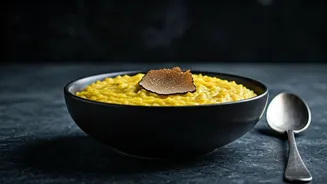
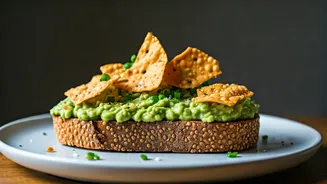
Another exciting upgrade involves weaving international ingredients into classic Indian recipes. This goes beyond simple fusion; it's about finding harmony between the new and the old. Think of avocado being mashed into bhel puri, adding a creamy texture that beautifully complements the tangy tamarind and spicy crunch. Quinoa replaces semolina in upma for a protein-packed, gluten-free breakfast, while truffle oil adds an earthy, luxurious aroma to a simple mushroom khichdi. Chefs like Manish Mehrotra of Indian Accent have mastered this art, famously pairing blue cheese with fluffy naan. This approach makes traditional food more accessible to a global palate while introducing new textures and flavour dimensions for Indians to enjoy.
Modern Techniques, Ancient Flavours
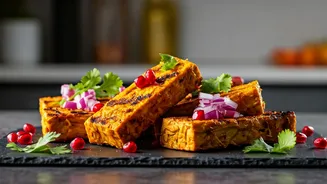
The science of the kitchen is also playing a huge role. Techniques once reserved for European fine dining are now being used to elevate Indian classics. Meats for kebabs are cooked 'sous-vide' (in a temperature-controlled water bath) to achieve unparalleled tenderness before being finished on the tandoor for that essential smoky char. Spices and chutneys are turned into light 'airs' and 'foams' using spherification, a technique from molecular gastronomy. This allows chefs to concentrate flavour into a delicate, surprising form. It’s a method of refining and intensifying the taste profiles we already love, presenting them in a way that is both visually stunning and texturally exciting, proving that even the most ancient flavours can be presented in a futuristic way.
The Healthy Makeover
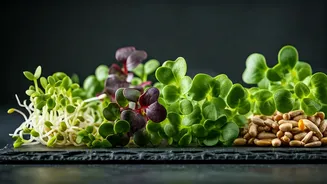
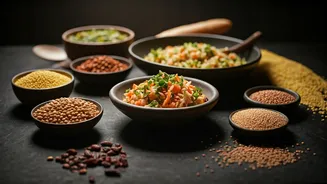
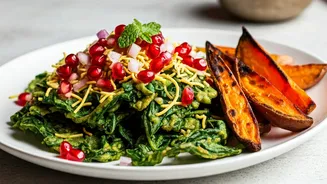
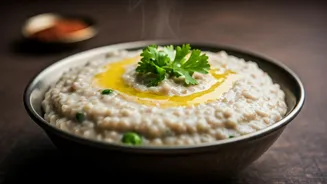
As health consciousness grows, so does the demand for lighter, more nutritious versions of our favourite foods. This has spurred a wave of innovation focused on wellness without sacrificing taste. Traditional grains are being swapped for ancient superfoods like millets, ragi, and amaranth in everything from dosas to porridges. Frying is often replaced with baking or air-frying, giving us 'baked' samosas and 'air-fried' pakoras that deliver the crunch with a fraction of the oil. Sugar in desserts is being reduced or replaced with natural alternatives like jaggery and dates. This trend is not just happening in high-end restaurants but also in home kitchens, as a new generation seeks to enjoy its culinary heritage in a way that aligns with a modern, healthy lifestyle.
Desserts Get a Sweet Reinvention
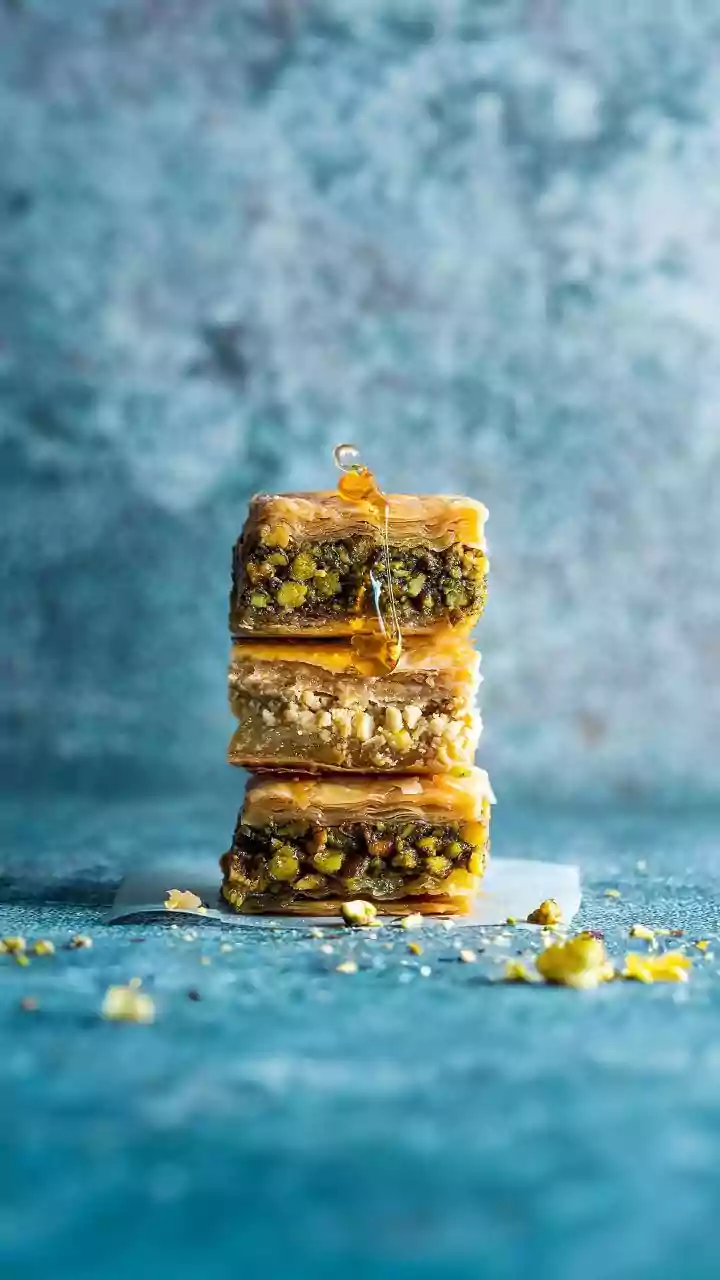
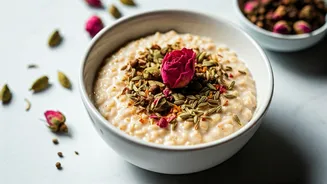
Indian desserts, or mithai, are also receiving a spectacular modern facelift. The results are often whimsical, beautiful, and incredibly delicious. Picture a classic motichoor laddoo, but with its boondi crumbled and layered into a creamy cheesecake. Or imagine the sweet, syrupy spirals of a jalebi transformed into delicate 'caviar' pearls that burst in your mouth. Chefs are infusing gulkand (rose petal jam) into macarons and combining the flavours of filter coffee with tiramisu. These creations respect the original dessert's flavour profile while presenting it in a completely new context, bridging the gap between the neighbourhood halwai and the Parisian patisserie.