




What Exactly Is Cactus Water?
First, let's clear up a common misconception. You’re not drinking the liquid stored inside a towering saguaro. Commercial cactus water is made from the fruit of the prickly pear cactus, which is native to the Americas and has been a food source for centuries.
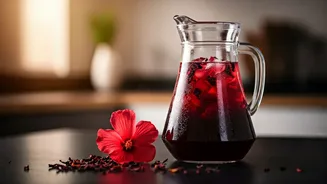
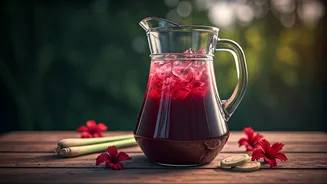
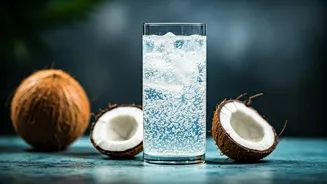
The fruit, known as a 'tuna' in Spanish, is a vibrant magenta color. The water is created by pureeing this fruit and then filtering it, often with a bit of water and natural sweetener added to balance the flavor. The result is a beverage that's less a 'water' and more a diluted fruit juice, similar in concept to how coconut water is the liquid from inside a young coconut.
The Promised Health Benefits
The marketing around cactus water is strong, positioning it as a functional beverage packed with unique benefits. The primary claims center on its antioxidant content. Prickly pear fruit is rich in betalains, the powerful antioxidants that give beets and prickly pears their deep red and purple colors. These compounds are touted for their ability to fight oxidative stress and inflammation. Beyond antioxidants, cactus water is promoted for its hydrating properties, containing electrolytes like potassium and magnesium. Some brands also highlight the presence of taurine, an amino acid that may support muscle function and nerve health, making it an appealing option for post-workout recovery. The overall pitch is simple: a low-calorie, low-sugar, plant-based drink that hydrates more effectively and delivers benefits that plain water can't.
A Reality Check from Nutritionists
So, are the claims legitimate? The answer is a qualified 'yes, but…' Prickly pear fruit does indeed contain betalain antioxidants and electrolytes. However, nutrition experts are quick to point out a few caveats. First, the amount of these beneficial compounds in a commercial bottle of cactus water can vary widely depending on the brand and how much it has been processed and diluted. Many of the scientific studies focus on concentrated prickly pear extract, not the ready-to-drink beverage. While it is hydrating, for most people, water remains the gold standard. Cactus water does contain natural sugars, and while it's typically less than coconut water or traditional fruit juice, it's not zero. Dietitians generally view it as a healthier alternative to sugary sodas and sports drinks, but not as a necessary replacement for water. The anti-inflammatory and recovery benefits are plausible but may not be significant enough to notice from casual consumption.
Taste, Texture, and Cost
For many, the decision to stick with cactus water will come down to taste. Unlike the distinct, sometimes divisive flavor of coconut water, cactus water is often described as more universally palatable. It has a slightly sweet, fruity flavor reminiscent of watermelon or a berry, with an earthy finish. The texture is smooth and slightly thicker than water, but not syrupy. This unique flavor comes at a price. As a 'premium' beverage, cactus water is significantly more expensive than bottled water and often pricier than coconut water. You're paying for the novelty, the sourcing of the prickly pear fruit, and the wellness branding. For most budgets, it’s a treat, not an everyday hydration staple.
Cactus Water vs. Coconut Water
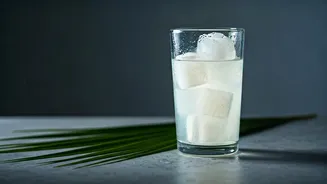
The most direct competitor for cactus water is the former king of alternative hydration, coconut water. In a head-to-head comparison, cactus water generally comes out on top in a few key areas. It typically has about half the calories and sugar of an equivalent serving of coconut water. However, coconut water often boasts a higher concentration of electrolytes, particularly potassium, which is crucial for preventing muscle cramps. Ultimately, the 'better' option depends on your goals. If you're looking for the lowest-sugar, lowest-calorie option with a unique antioxidant profile, cactus water wins. If you need maximum electrolyte replacement after an intense, sweaty workout, coconut water might still have a slight edge.