




A Risky Monsoon Getaway
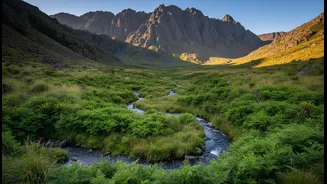
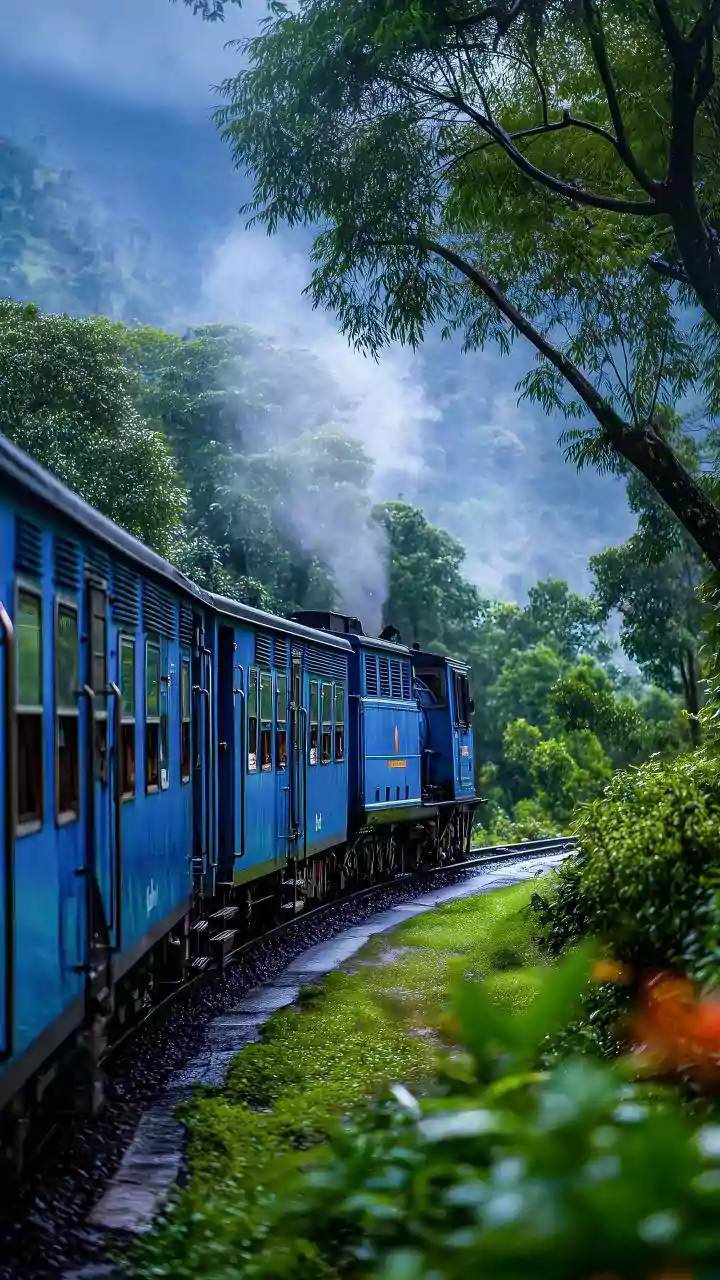
For generations of Indian travelers, the monsoon has meant misty mountains, lush greenery, and romantic getaways to beloved hill stations like Shimla, Manali, Nainital, and Mussoorie. But in recent years, this idyllic picture has been increasingly shattered
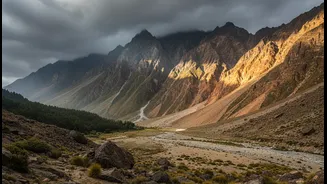
by a dangerous reality. The same rains that create the beauty also trigger devastating landslides, wash away roads, and leave thousands of tourists stranded. As of late July 2026, authorities have issued red alerts for parts of Himachal Pradesh and Uttarakhand, warning of extremely heavy rainfall and a high risk of flash floods and landslides. Roads in multiple districts are frequently blocked, and authorities have been forced to restrict tourist movement, particularly during the night, for safety reasons. These events, which are becoming more frequent and intense, are forcing a reckoning among travelers who are no longer willing to gamble with their safety for a monsoon holiday.
The Geography of Safety
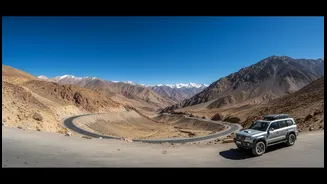
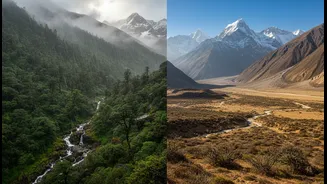
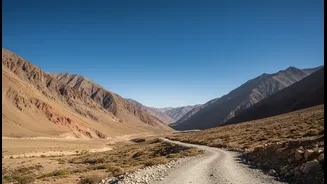
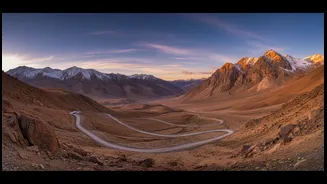
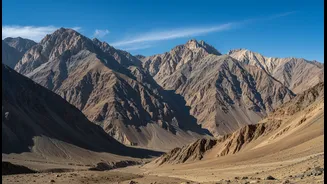
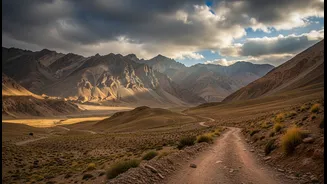
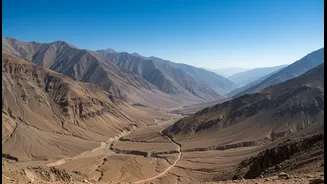
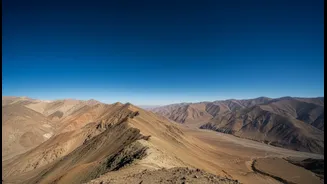
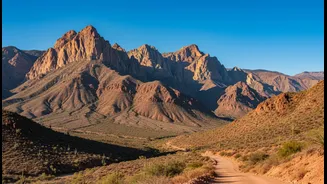
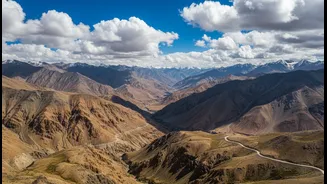
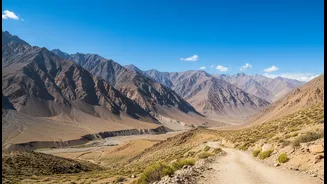
So, where do you go in the mountains to escape the rain? The answer lies in a simple geographical phenomenon: the rain-shadow effect. When moisture-laden monsoon winds from the Indian Ocean travel north, they are blocked by the towering Himalayan ranges. Forced to rise, the clouds cool and dump their rain on the southern, windward slopes—the areas we know as classic green hill stations. However, by the time the air mass crosses over the peaks to the other side, it has lost most of its moisture. This creates vast, arid or semi-arid landscapes known as rain-shadow regions. Areas like Ladakh and the Lahaul and Spiti valleys in Himachal Pradesh lie on this leeward side of the Himalayas. While the rest of the country is drenched, these high-altitude cold deserts receive minimal rainfall, offering clear blue skies, dry roads, and a stable environment, making them uniquely safe for travel during the peak monsoon months of July and August.
A Surge in a Different Direction
This meteorological safe haven is no longer a secret. As reports of landslides in conventional tourist spots dominate the news cycle, there is a visible and growing shift in travel patterns. Safety-conscious tourists and adventurers are increasingly looking to rain-shadow areas as a logical and compelling alternative. Destinations like the Spiti Valley, once considered remote and accessible to only the hardiest of travelers, are finding new popularity. The journey itself, through landscapes that transform from lush green to barren brown, has become part of the appeal. This shift isn't just about avoiding risk; it's also about discovery. Travelers are finding a different kind of mountain beauty in the stark, dramatic vistas, ancient monasteries, and unique culture of these high-altitude deserts. What was once an offbeat choice is fast becoming a mainstream preference for those seeking a peaceful and predictable monsoon escape.
The Double-Edged Sword of Discovery
This newfound popularity, however, comes at a cost. The fragile ecosystems of these cold deserts are not equipped to handle a massive influx of visitors. The very remoteness that preserved their unique character is now under threat. Local communities in towns like Kaza in Spiti are already reporting significant challenges. A sudden tourism boom strains limited resources, especially water, in an already arid region. Waste management is another critical issue, with the volume of garbage generated by tourists overwhelming local infrastructure. Roads are becoming congested, and the delicate social fabric is being tested. While the economic benefits are welcome, there's a growing concern that without careful planning and regulation, these pristine landscapes could suffer the same fate of overcrowding and environmental degradation that plagues the more established hill stations.