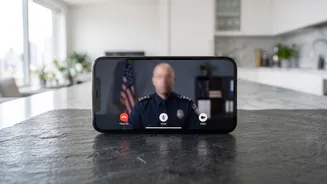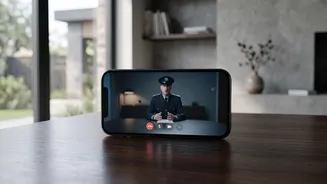







Imagine getting a call from someone claiming to be a senior police officer, accusing you of a serious crime. This is the reality of 'digital arrest' fraud, a scam designed to create panic and steal your money through pure psychological manipulation.
What Exactly Is 'Digital Arrest' Fraud?
A
'digital arrest' is not a real legal procedure; it is a sophisticated cybercrime spreading across India. Scammers impersonate officials from law enforcement agencies like the police, CBI, or Enforcement Directorate. They contact victims by phone, claiming their identity or bank accounts have been linked to serious crimes such as money laundering, drug trafficking, or terrorism. The entire premise is to create intense fear and urgency, tricking you into believing you are under investigation and must comply with their demands to avoid immediate arrest. Crucially, no law in India permits an arrest to be conducted over a phone or video call. The moment someone threatens this, it is a definitive red flag for fraud.
The Anatomy of the Scam
The fraud unfolds in a series of calculated steps. It begins with an unexpected call, often starting with a plausible story about a suspicious parcel in your name containing illegal items. The call is then 'transferred' to a senior 'officer'. This is when the intimidation escalates. Scammers use video call platforms like Skype or WhatsApp to create an air of authenticity, often wearing a fake police uniform and sitting in a staged room designed to look like a police station. They may present forged documents, such as a fake arrest warrant or FIR with your name and Aadhaar details. Victims are ordered to remain on the video call for hours, effectively placing them in a virtual house arrest. They are forbidden from speaking to family or friends, isolating them and preventing them from thinking clearly or seeking advice. Finally, the scammers demand money — often large sums — to be transferred for 'verification' or to 'clear the charges', promising it will be returned once the 'investigation' is complete.
The Psychology of Fear and Coercion
This scam is effective because it bypasses rational thought and preys directly on fear. The impersonation of authority figures triggers an immediate stress response. Scammers use official-sounding jargon and display seemingly legitimate documents to build credibility. By isolating victims on a continuous video call, they create an intense, controlled environment where the victim feels helpless and alone. The threat of public shame, damage to one's reputation, and the welfare of their family makes people desperate to resolve the situation quickly and quietly. This combination of fear, authority, isolation, and urgency is a powerful psychological trap that pressures victims into complying with demands they would otherwise question.
Key Red Flags to Watch For
Awareness is your strongest defence. Be suspicious of any unsolicited call from someone claiming to be a police or government official. Law enforcement agencies do not conduct investigations or demand money over phone calls. Any request for an immediate bank transfer to 'resolve' a criminal case is a scam. Genuine officers will not ask you to stay on a video call for hours or forbid you from speaking to others. Pressure to act immediately, threats of arrest without a formal, physical notice, and demands for secrecy are all classic tactics of fraudsters. Also, be wary of callers who display ID cards on video; these are easily faked. If you cross-question them about local police jurisdictions, they often get nervous and cannot answer correctly.
What to Do If You Are Targeted
If you receive such a call, the first and most important step is to stay calm and hang up immediately. Do not engage with the scammer, and do not share any personal information like your Aadhaar number, bank account details, or OTPs. Block the number. After disconnecting, you should immediately report the incident. You can call the National Cyber Crime Helpline at 1930 or file a complaint on the official portal at cybercrime.gov.in. If you have already transferred money, contact your bank immediately to report the fraud and ask them to freeze the transaction if possible. Inform your family and friends about the call. Speaking to someone you trust can help you regain composure and confirm that you have been targeted by a scam.