


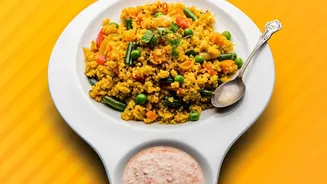
Taste the Divine Festive Foods
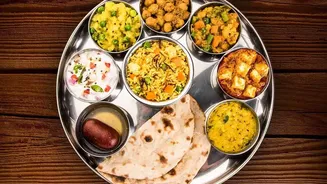
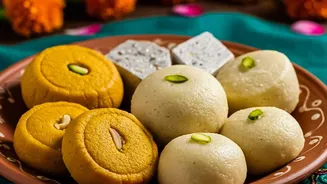
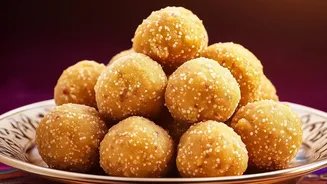
Janmashtami is a paradise for food lovers, with traditions centered around milk and dairy products that Lord Krishna was famously fond of. A trip to Mathura, Krishna's birthplace, isn't complete without tasting the local pedas, a sweet made from khoya
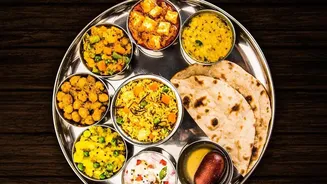
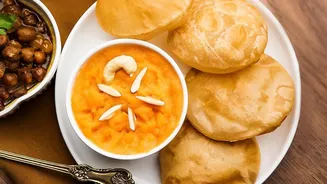
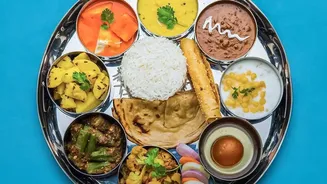
(dried milk). During the festival, homes and sweet shops prepare a delightful assortment of offerings. You'll find Panchamrit, a sacred concoction of milk, curd, ghee, honey, and sugar, which is used in rituals and then distributed as prasad. Many devotees observe a fast, consuming special dishes like Sabudana Khichdi, Dhaniya Panjiri (a unique preparation of roasted coriander powder and sugar), and a variety of fruit chaats. Exploring the local culinary scene offers a delicious way to connect with the festival's core.
Witness the Thrill of Dahi Handi
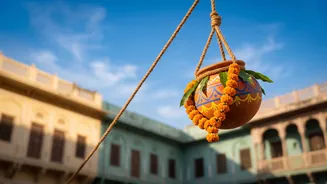
In Maharashtra, especially in Mumbai, the day after Janmashtami erupts with the boisterous energy of Dahi Handi. This tradition reenacts the young Krishna's mischievous attempts to steal butter. Teams of youngsters, called 'Govindas', form towering human pyramids to reach and break an earthen pot filled with curd, which is suspended high above the streets. The event is a spectacular display of teamwork, agility, and unadulterated joy, with large crowds gathering to cheer on the participants. It has evolved into a major competitive event, often with significant prize money, showcasing a unique blend of devotion and community sport.
Immerse Yourself in Raas Leela Performances
The regions of Mathura and Vrindavan in Uttar Pradesh come alive with Raas Leela, a traditional folk dance-drama that depicts the divine love story of Krishna and Radha. These performances are not mere entertainment; they are considered a form of devotional expression, drawing audiences into the spiritual narrative of Krishna's life. Staged in temples and community grounds, these plays feature local artists who embody the divine characters, often with such conviction that the line between performance and reality seems to blur for the devout. Watching a Raas Leela performance under the stars is a captivating experience that offers a deeper understanding of the culture and faith surrounding the festival.
Explore the Vibrant Festive Bazaars
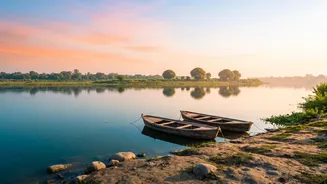
The markets in cities like Dwarka, Jaipur, and Mathura transform into bustling hubs of activity in the days leading up to Janmashtami. These bazaars are a feast for the senses, filled with vendors selling everything needed for the celebration. You can find beautifully crafted idols of baby Krishna, ornate swings (jhulas) to place them in, peacock feathers, miniature flutes, and traditional attire. It's the perfect opportunity to witness local craftsmanship and purchase unique souvenirs. In Dwarka, a large festive fair, the Dwarka Utsav, is held on the banks of the Gomti River, featuring food stalls, crafts, and cultural events alongside the temple celebrations.
Join the Community Spirit
Janmashtami is fundamentally a community festival. Beyond the major public events, the spirit of celebration permeates homes and local neighbourhoods. Many families dress their children as little Krishnas and Radhas, creating an adorable spectacle. Processions with decorated floats depicting scenes from Krishna's life wind through the streets, accompanied by singing and dancing. In cities like Dwarka, the entire night is filled with the continuous singing of bhajans and kirtans, alongside folk dances like Garba and Raas. Participating in or simply observing these local festivities offers a heartwarming glimpse into the collective joy and unity that define Janmashtami.