


Sattu: The Humble Superfood
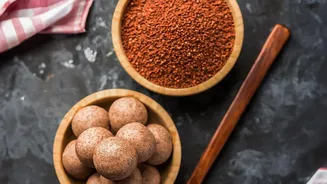
Often called the 'poor man's protein', sattu is a powerhouse of nutrition that deserves more credit. Made from roasted Bengal gram (chana), this versatile flour is a staple in states like Bihar, Jharkhand, and Uttar Pradesh. A 100-gram serving of chana sattu can
pack between 20 to 25 grams of protein, making it an excellent ingredient for muscle repair and growth. It's also rich in insoluble fibre, which is great for gut health and keeps you feeling full for longer. The simplest way to consume sattu is by mixing it with water, salt, and a squeeze of lemon for a cooling, hydrating drink. You can also knead it into dough for parathas and litti, or use it to make energy-boosting laddus.
Lentils and Pulses: The Heart of Indian Meals
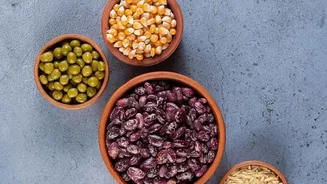
No Indian meal is complete without a bowl of dal. Lentils and pulses are the backbone of vegetarian cooking in the country for a good reason. From moong and masoor to toor and urad, each dal offers a significant protein boost. A cooked cup of lentils can provide around 18 grams of protein. Chana (chickpeas) and rajma (kidney beans) are equally impressive, with chickpeas offering about 15 grams per 100g. The traditional pairing of dal with rice or roti is not just for taste; it creates a complete protein by combining amino acids from both grains and legumes, ensuring your body gets all the essential building blocks it needs.
Soybeans: The Versatile Protein Source
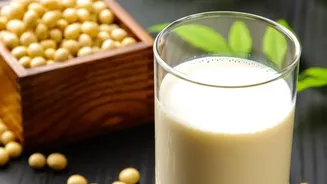
Soybeans are one of the few plant foods that contain all nine essential amino acids, making them a complete protein. In India, they are consumed in various forms. Soya chunks, or 'nutri-nuggets', are incredibly protein-dense, providing about 52 grams of protein per 100g (dry). When rehydrated, they offer a meaty texture perfect for curries and pulao. Tofu, made from soybean milk, is another fantastic option. A 100g serving of firm tofu contains around 8 to 17 grams of protein and is incredibly versatile. It absorbs the flavours of masalas beautifully, making it an excellent substitute for paneer in dishes like tofu tikka masala or palak tofu.
Millets: The Ancient Grains Making a Comeback
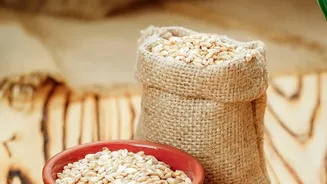
Once considered a rustic food, millets are now celebrated for their incredible nutritional profile. The United Nations even declared 2023 as the International Year of Millets, highlighting their importance. When it comes to protein, millets like bajra (pearl millet) and jowar (sorghum) are strong contenders. Bajra, popular in Rajasthan and Gujarat, contains about 11-12 grams of protein per 100g. Foxtail millet (kangni) is even higher, with up to 12 grams. Ragi (finger millet), while slightly lower in protein, is a calcium champion. You can easily incorporate these gluten-free grains into your diet by making rotis, dosas, porridges, or using them as a substitute for rice.
Nuts and Seeds: The Nutrient-Dense Toppings
While not a primary source, nuts and seeds are a fantastic way to top up your protein intake throughout the day. Peanuts lead the pack with about 26 grams of protein per 100g, while almonds offer 21 grams. A handful of almonds or walnuts makes for a great snack that provides healthy fats and fibre along with a protein boost. Seeds are not to be underestimated either. Pumpkin seeds, for instance, contain around 19g of protein per 100g, and even a tablespoon can add a few extra grams to your salad or smoothie. Combining nuts and seeds with legumes or dairy helps create a more complete amino acid profile.