



The Douro Valley: A Drive Through Wine Country
Often cited as one's most beautiful drives, the N-222 road that winds through the Douro Valley is a must for any visitor to northern Portugal. This is the heart of Port wine country, where steep, terraced vineyards cascade down to the Douro River. The
most celebrated section runs for about 27 kilometers between the towns of Peso da Régua and Pinhão. This short drive can easily fill a day or two, offering breathtaking viewpoints and countless opportunities to stop at 'quintas' (wine estates) for tastings. Start in Peso da Régua, home to the Museu do Douro, which offers great context on the region's winemaking history. As you drive towards Pinhão, the road hugs the river, presenting stunning views at every turn. Pinhão itself is a picturesque village and a perfect base for a short river cruise or further exploration of the surrounding vineyards. For an even more dramatic route, some of the narrow roads on the north bank of the river, while challenging, offer incredible elevated perspectives.
The Alentejo Plains: Cork Trees and Historic Towns
South of Lisbon, the landscape opens up into the Alentejo, a vast and golden region known for its rolling plains, cork oak forests, and whitewashed hilltop villages. A road trip here feels like a step back in time. A great two-to-three-day loop can begin in Évora, the region's capital and a UNESCO World Heritage site, with its Roman temple and eerie Chapel of Bones. From Évora, head east towards the fortified village of Monsaraz, perched high above the Alqueva Dam, Europe's largest artificial lake. The narrow, cobblestoned streets and castle offer incredible panoramic views. The route can then take you north to Estremoz, a town famous for its marble, where even the cobblestones seem to gleam. Along the way, you’ll pass through a serene landscape dotted with cork trees, ancient megalithic sites like the Cromeleque dos Almendres, and charming towns where life moves at a slower pace.
Peneda-Gerês: Waterfalls and Wilderness in the North
For those seeking a wilder, greener side of Portugal, a trip into Peneda-Gerês National Park is essential. Located in the far north, about a 90-minute drive from Porto, it’s the country's only national park. The park is a rugged landscape of granite mountains, lush oak forests, waterfalls, and reservoirs. A car is crucial here, as public transport is limited and many of the best sights are remote. A fantastic short trip involves driving the winding mountain roads to find hidden waterfalls like Cascata do Arado, where you can take a dip in cold, clear natural pools. The area is also home to traditional stone villages, ancient Roman roads, and semi-wild Garrano ponies that roam the hillsides. Driving from the spa town of Gerês towards the Spanish border reveals spectacular scenery and opportunities for hiking. With its dramatic landscapes and sense of remoteness, a journey through Gerês feels like an adventure into Portugal's untamed heart.
The Vicentine Coast: Wild Atlantic Scenery
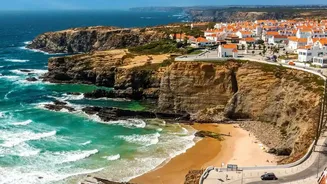
While much of Portugal's coast is developed, the Costa Vicentina in the southwest Alentejo offers a different experience. Part of a protected natural park, this stretch of coastline is defined by dramatic cliffs, wild beaches, and quiet fishing villages. A road trip here is less about speed and more about soaking in the Atlantic views. Starting from Porto Covo and heading south towards Odeceixe, the route passes stunning beaches and viewpoints. Don't miss Cabo Sardão, one of the few places in Europe where storks build their nests on sea cliffs. This route can also be combined with sections of the Rota Vicentina, a network of hiking trails that includes the famous Fishermen's Trail along the clifftops. While popular with campervans, wild camping is restricted to protect the fragile environment, so it's best to use designated campsites. This trip is perfect for those looking to escape the crowds and experience the raw power of Portugal's coastline.