


Decoding the Dates: 'Best Before' vs. 'Expiry'
Before you even open a box, the most critical information is printed on the label. However, not all dates are the same. Understanding the difference is key. According to the Food Safety and Standards Authority of India (FSSAI), a 'Best Before' date is about
quality. The sweets are expected to retain their best taste and texture until this date. After this, they may still be safe to eat, but the quality might have diminished. An 'Expiry' or 'Use By' date, on the other hand, is about safety. You should not consume products past this date, as they may no longer be safe. For sweets, especially milk-based ones which spoil quickly, paying close attention to the 'Use By' date is crucial for avoiding potential health hazards.
Checklist for Packaged Sweet Boxes
When buying pre-packaged sweets, the box itself is your first line of defence. First, locate the date markings. They should be clearly printed and legible. Be wary of smudged or tampered-with labels. Next, look for the FSSAI license number. This indicates the business is registered with and regulated by the food safety authority. You can even verify this license number using FSSAI's own 'Food Safety Connect' app. Also, scan the ingredients list, especially if you or your guests have allergies to common ingredients like nuts or milk products. Finally, check for storage instructions. Many traditional sweets require refrigeration to stay fresh, and the printed dates are only valid if these conditions are met.
Inspecting Loose or 'Khula' Mithai
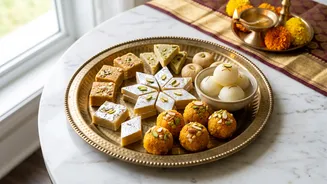
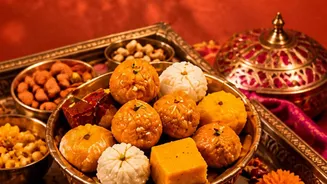
Many of us buy sweets from the large, tempting trays at our local 'halwai'. While these don't come in a sealed box, safety regulations still apply. Following FSSAI directives, it is now mandatory for sweet shops to display a 'Best Before' date on the trays of loose sweets. Some states have also made it a requirement to display the date of manufacturing. Don't be afraid to ask the seller for this information if it's not immediately visible. This rule was put in place specifically to protect consumers during high-demand festive periods, when the rush can lead to shortcuts. Take a moment to observe the shop's general hygiene, as cleanliness is a good indicator of the care taken in preparing the food.
Trust Your Senses: The Smell and Visual Test
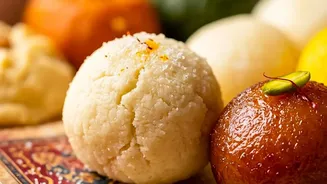
Labels and dates provide important guidance, but they aren't foolproof. Your own senses are a powerful tool for detecting spoilage, especially with milk-based sweets like 'barfi', 'kalakand', or 'rasmalai' that have a shorter shelf life. Before buying or serving, conduct a quick sensory check. Look for any signs of mould, which can appear as fuzzy spots. The colour should be uniform and as expected for that particular sweet; any discoloration is a red flag. Give it a gentle sniff. A sour, off, or rancid smell indicates the sweet is past its prime. Finally, check the texture. Milk-based sweets that have become slimy or unusually hard are best avoided. A strange aftertaste, such as a soapy or bitter flavour, can also suggest the use of substandard ingredients.
Safe Storage at Home to Preserve Freshness
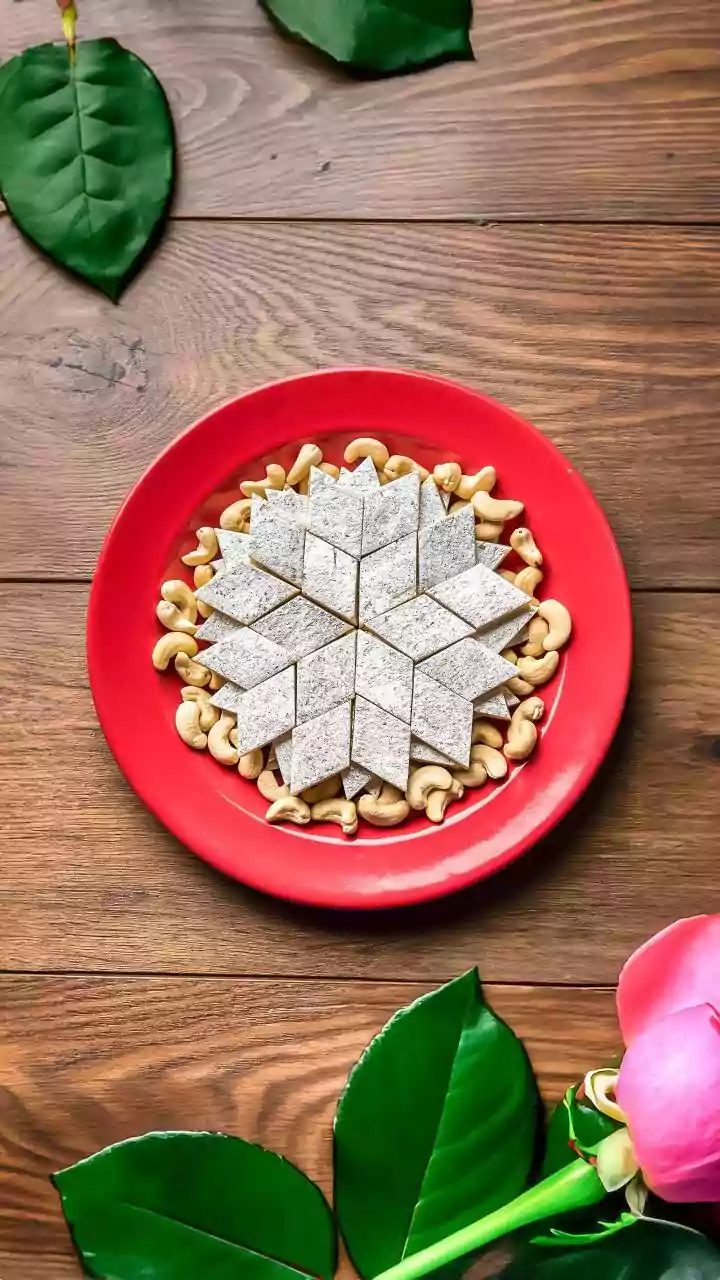
Once you've brought your sweets home, storing them correctly is essential to maintaining their quality and safety until they are consumed. Always follow the storage instructions on the package. Milk-based sweets should almost always be refrigerated in an airtight container to prevent them from hardening and absorbing other odours. They are typically best consumed within a few days. Drier sweets like 'kaju katli' or 'laddoo' have a longer shelf life but should still be kept in a sealed container in a cool, dry place to protect them from humidity, which can ruin their texture. Sorting your sweets by type before storing can help ensure each one stays fresh for as long as possible.