



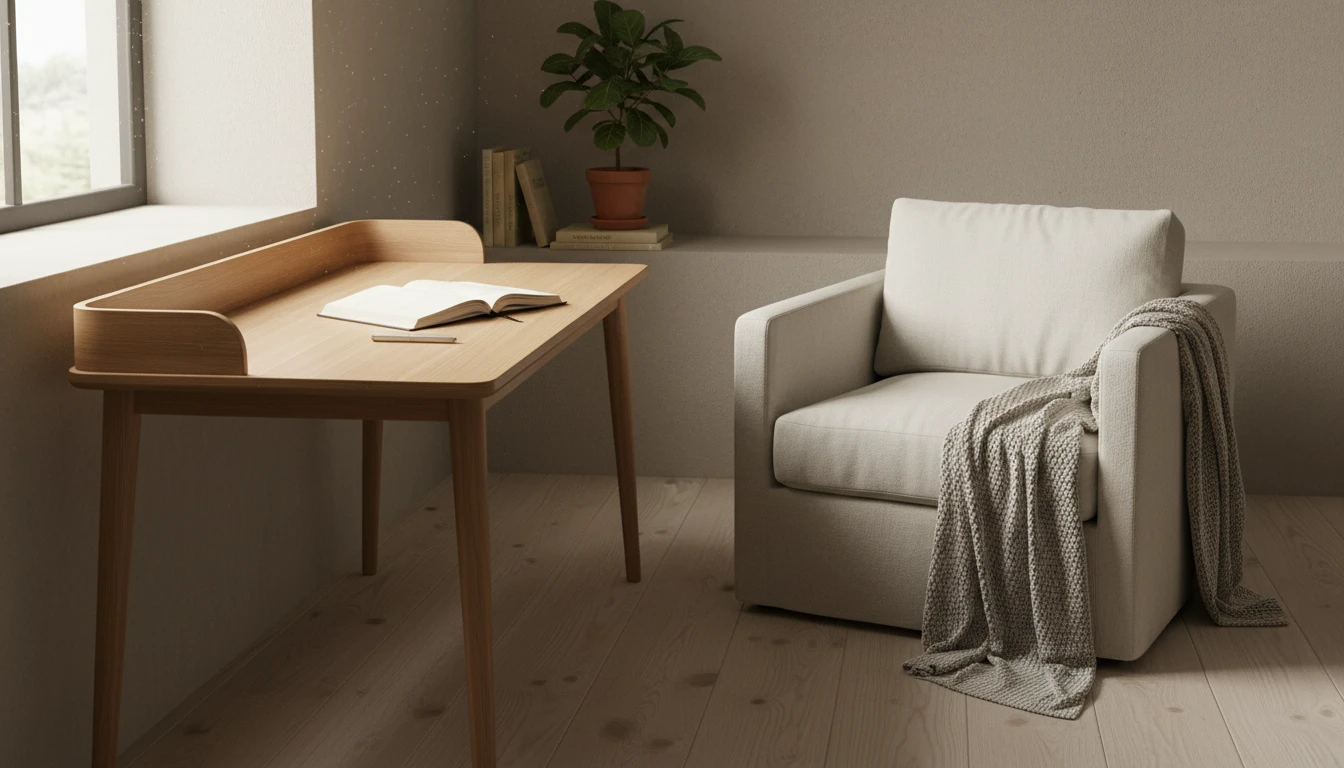




Understanding Visual Noise
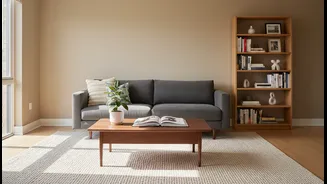
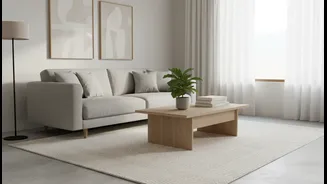
Visual noise is the overwhelming feeling you get when too many objects in a space are competing for your attention. It’s not just about messiness; a room can be technically clean but still feel chaotic due to an overabundance of decorative items, competing patterns,
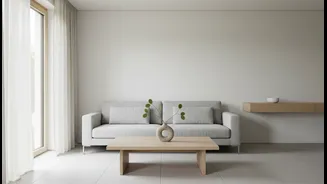
or exposed clutter. This constant stream of information forces our brains to work harder to filter out distractions, which can increase cognitive overload and reduce working memory. Research has shown that this visual chaos can lead to higher levels of the stress hormone cortisol, making it harder to focus and relax even in your own home. By reducing this noise, you create a more serene environment that promotes clearer thinking and a sense of calm.
The First Step: Declutter Before You Store
A common mistake is buying storage containers to hide away items you don't truly need. Effective organization begins with decluttering. The goal is to edit your belongings down to what is essential and loved. A simple and effective approach is the four-box method: gather four boxes and label them 'keep', 'donate/sell', 'trash', and 'relocate'. As you go through an area, place each item into one of the boxes. This forces a decision and prevents you from simply shuffling piles around. Be ruthless. If you haven't used it in a year or it doesn't bring you joy, it's likely time to let it go. Only once you have purged the excess should you start thinking about where to put what's left.
Smart Storage: Think Vertically and Out of Sight
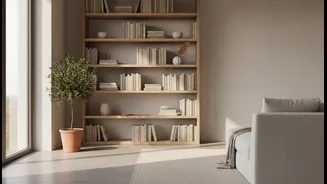
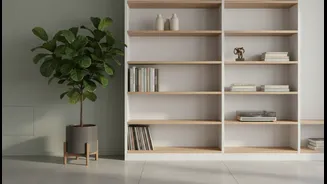
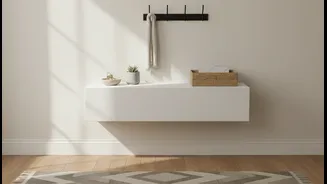
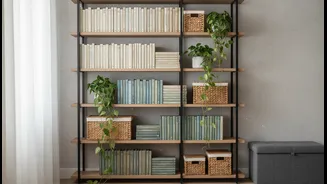
To combat visual noise, the best storage solutions are often the ones you can’t see. Utilise hidden storage opportunities like ottomans with built-in compartments, under-bed drawers, or cabinets with solid doors that conceal their contents. This keeps items accessible but out of sight, creating clean surfaces and a more restful visual field. Also, don’t forget to look up. Vertical space is often underutilised. Tall, narrow shelving units or wall-mounted shelves can hold a surprising number of items without taking up valuable floor space, drawing the eye upward and making a room feel more spacious.
A Place for Everything, and Everything in Its Place
Once you've decluttered, the key to staying organized is to assign a permanent home for every single item. This is where categorisation becomes your best friend. Group similar items together—all batteries in one small container, all charging cables in another, all cleaning supplies in a caddy. When items have a designated spot, you'll spend less time searching for them and it becomes second nature to put them back after use. This system is the foundation of a tidy home. It transforms tidying up from a major project into a simple, ongoing habit of returning things to their rightful place.
How Organization Makes Cleaning Faster
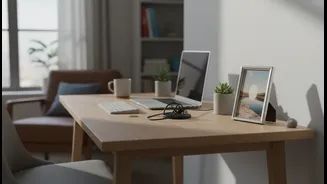
This is where your efforts truly pay off. When surfaces are clear and floors are unobstructed, cleaning becomes exponentially easier and faster. Instead of spending the first 20 minutes of your cleaning time moving piles of paper, stacks of books, and random objects, you can get straight to dusting, wiping, and vacuuming. With items properly stored, you no longer have to lift and manoeuvre around clutter, significantly cutting down on cleaning time and effort. A well-organized space not only looks cleaner but is physically easier to maintain, reducing the friction that often makes us procrastinate on household chores.
Maintaining Your Tidy Haven
An organised home is not a one-and-done project; it requires maintenance. To prevent clutter from creeping back in, adopt a few simple habits. The 'one-in, one-out' rule is a powerful tool: for every new item you bring into your home, an old one must leave. Another helpful habit is the 'evening reset'. Spend just 10-15 minutes before bed putting things back in their designated homes. This small daily investment prevents small messes from turning into overwhelming clutter and ensures you wake up to a calm, organised space, ready for the day ahead.