


Understanding Complete Proteins
Proteins are made of building blocks called amino acids. There are nine 'essential' amino acids that our bodies cannot produce, so we must get them from food. A 'complete' protein contains all nine of these essential amino acids in sufficient amounts.
While most animal-based foods like dairy, eggs, and meat are complete proteins, most plant-based foods are 'incomplete', meaning they are low in one or two essential amino acids. For instance, grains like rice are typically low in the amino acid lysine, while legumes like lentils and beans are low in methionine. The magic happens when you combine them. The strengths of one food make up for the weaknesses of the other, creating a complete protein profile. This principle, known as protein complementation, is already a cornerstone of traditional Indian cuisine.
Powering Up Pulao and Biryani
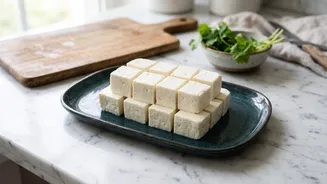
A simple vegetable pulao is delicious, but often lacks a significant protein punch. The fix is easy. Add a cup of chickpeas (chana), kidney beans (rajma), or green peas to your pulao. These additions not only boost the protein but also the fibre content, making the meal more filling. For a richer option, adding paneer cubes or soya chunks transforms the dish into a high-protein one-pot meal. You can add paneer towards the end of the cooking process to keep it soft, while soya chunks can be soaked and added with the vegetables. Serving any pulao with a side of dal or a bowl of raita (yoghurt dip) also helps complete the meal's amino acid profile, as dairy is a source of complete protein.
Elevating Khichdi and Bisi Bele Bath
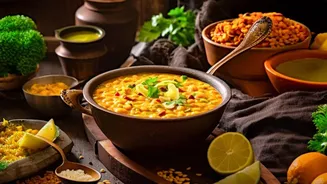
Khichdi, the classic combination of rice and dal, is already an excellent example of protein complementation. To maximize its benefits, ensure you are using a good ratio of dal to rice, aiming for at least one part dal to two parts rice, or even a 1:1 ratio for a higher protein count. Bisi Bele Bath, the beloved Karnataka dish, is similarly built on a foundation of rice and lentils (toor dal). Because it already contains lentils, it provides a good base. To enhance it further, you can increase the quantity of dal and load it with plenty of vegetables, which add nutrients and fibre. Some variations also include peanuts, which contribute both protein and healthy fats.
Reimagining Curd Rice
Curd rice is a cooling comfort food, but it is often light on protein. To change that, consider using Greek yoghurt or a high-protein curd, which can significantly increase the protein content. Another strategy is to supercharge the tempering (tadka). Along with mustard seeds and curry leaves, add a tablespoon of urad dal and chana dal. When fried, they add a wonderful crunch and a small protein boost. For a more substantial enhancement, mix in soaked chia seeds, toasted peanuts, or even a scoop of unflavoured whey protein into the curd before mixing it with the rice. Serving it alongside a protein-rich side like a chickpea salad or a paneer-based dish is another great option.
Simple Swaps and Smart Additions
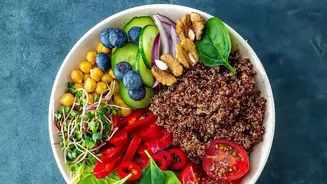
Beyond specific dishes, you can apply a few general rules to make any rice-based meal more balanced. The easiest way is to ensure a serving of dal, sambar, or a legume-based curry accompanies your rice. This classic pairing is the foundation of a balanced vegetarian Indian meal. Don't underestimate the power of toppings and sides. A handful of roasted nuts or seeds like almonds, pumpkin seeds, or sesame seeds sprinkled over your dish can add protein, healthy fats, and texture. Including a side of roasted vegetables like broccoli or spinach also contributes to your overall nutrient intake. Even swapping white rice for quinoa in dishes like pulao can be an effective strategy, as quinoa is one of the few plant-based foods that is a complete protein on its own.