



1. The Classic Corner Anchor
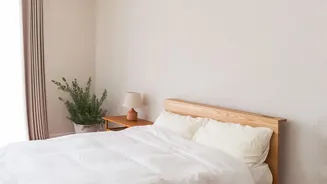
This is perhaps the most instinctive layout for a small room: placing the head of the bed snugly into a corner. By pushing the bed against two walls, you instantly free up a significant amount of central floor space, creating a more open diagonal pathway
from the door. This arrangement works wonderfully for square-shaped rooms and makes the bed feel like a cosy, deliberate nook. To complete this layout, place a tall, narrow dresser or a bookshelf on the opposite wall to draw the eye upward. A single, small nightstand can be placed in the open space next to the bed. The key drawback is that one person may have to shuffle to get out of bed, making it better suited for a single occupant or a very nimble couple.
2. The Symmetrical Haven
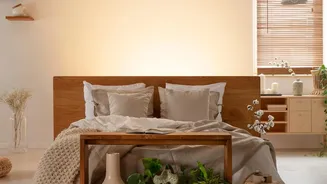
For those who crave balance and a touch of formality, the symmetrical layout is a timeless choice. Centre the bed on the longest, uninterrupted wall. This creates a clear focal point the moment you enter the room. Place identical nightstands on either side of thebed, each topped with a matching lamp. This classic hotel-style arrangement creates a sense of order and calm. It makes the room feel more considered and less accidental. To maintain the clean lines, place a dresser directly opposite the bed. If there's a window on that wall, a low-profile bench at the foot of the bed can provide seating and storage without blocking the light. This layout works best when you have a clear wall without windows or doors to break up the symmetry.
3. The Minimalist Float
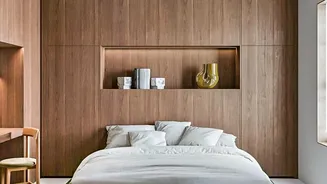
It may seem counterintuitive, but pulling furniture away from the walls can sometimes make a small room feel larger. The 'float' layout involves placing your bed with the headboard against the main wall but pulling it forward just enough to fit a slim console table or shelf behind it. This creates a functional ledge for a lamp, books, and charging devices, eliminating the need for bulky nightstands. The resulting 'negative space' around the furniture gives the room a lighter, more airy feel. This approach works best with low-profile platform beds and minimalist decor. Keep other furniture, like a wardrobe or dresser, flush against the other walls to maintain a clear and uncluttered pathway.
4. The Vertical Advantage
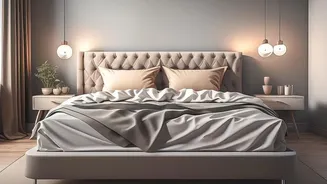
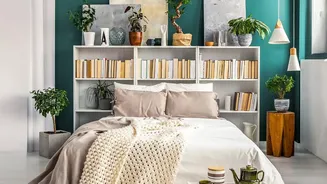
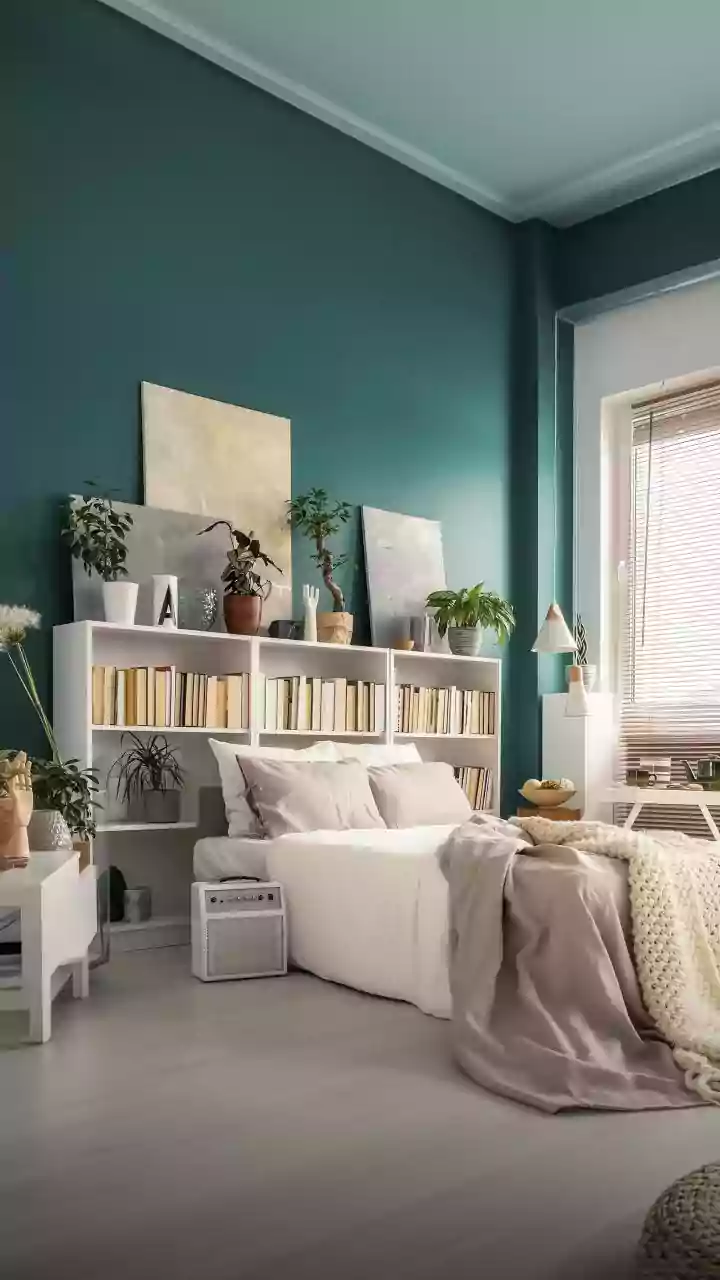
When you can't build out, build up. This layout focuses on drawing the eye upward and using vertical space to its full potential. Start by choosing a bed with a tall, visually interesting headboard or positioning it against a wall with a striking piece of vertical art. Instead of wide, low dressers, opt for tallboys—chests of drawers that are narrow but high. Use wall-mounted shelves instead of floor-standing bookcases. You can even flank the bed with two tall, slim bookshelves that double as nightstands and storage towers. This strategy not only provides ample storage but also creates the illusion of higher ceilings, making the entire room feel more spacious and grand than its actual footprint would suggest.
5. The Multi-Functional Hub
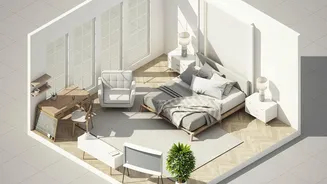
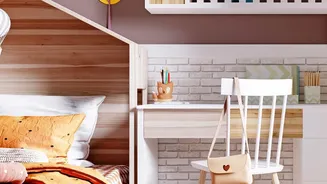
In today's world, a bedroom is often more than just a place to sleep. This layout is for those who need their compact space to also serve as a home office or dressing area. The key is multi-functional furniture. A storage bed with built-in drawers underneath is non-negotiable, providing a home for linens, shoes, or seasonal clothing. Instead of two nightstands, use a small desk on one side of the bed. It can hold a lamp for nighttime reading and serve as a workspace during the day. On the other side, a small stool or ottoman can provide seating and be tucked away easily. A wall-mounted mirror with a small ledge can act as a vanity without taking up floor space, ensuring every piece serves at least two purposes.