





From Sightseeing to Soul-Searching
For decades, tourism in India was largely defined by landmark destinations and scenic beauty. While those attractions remain popular, a significant evolution is underway. Travellers, both domestic and international, are increasingly planning trips centred
around wellness and spirituality. This is no longer a niche segment but a powerful movement reshaping travel priorities. The shift is from merely visiting a place to experiencing it in a way that restores the mind, body, and spirit. This trend reflects a broader global focus on holistic health and preventive care, with India, thanks to its ancient traditions of yoga, Ayurveda, and meditation, uniquely positioned to meet this demand.
What's Driving the Deeper Journey?
Several factors are fuelling this transformation. The stresses of modern life, digital overload, and post-pandemic burnout have left many feeling depleted, making wellness travel a necessity rather than a luxury. This has led to a surge in demand for stress management programmes, digital detox retreats, and mindfulness-focused holidays. Simultaneously, there's a renewed pride and interest in India's own heritage. Faith-linked journeys have always accounted for a majority of domestic travel, but the approach is changing. It's less about ritual and more about an integrated experience that combines pilgrimage with culture, local immersion, and personal well-being.
A New Generation of Seekers
Interestingly, this trend is not just being driven by older generations. Younger travellers, particularly Gen Z, are a significant force in this market. For them, a spiritual journey isn't just a temple visit; it's an opportunity to engage with local culture, food, and adventure while seeking inner peace. This demographic is also more willing to invest in premium experiences, driving growth in higher-quality accommodation in spiritual destinations like Varanasi, Rishikesh, and Ujjain. This demand for better infrastructure is attracting investment from major hotel chains and tour operators, who are now curating multi-day circuits instead of single-destination stops.
The Spectrum of Wellness Experiences
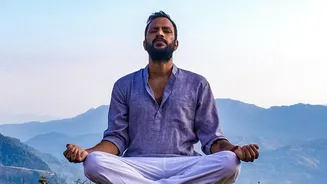
The wellness travel market in India is vast and varied, with the India wellness tourism market valued at nearly USD 31 billion in 2026. At one end are the world-renowned luxury wellness retreats like Ananda in the Himalayas and Six Senses Vana, offering bespoke, high-end rejuvenation programmes. At the other are the traditional ashrams in Rishikesh and the Ayurvedic centres of Kerala, which provide authentic, deeply rooted healing experiences. South India currently holds the largest share of the wellness tourism market, but North India is projected to be the fastest-growing region. Yoga and meditation retreats remain the most popular service, while digital detox escapes are the fastest-growing segment, highlighting a clear desire to disconnect from technology and reconnect with oneself.
Economic Impact and Future Outlook
This boom in spiritual and wellness travel is providing a significant economic boost. Faith-based travel alone accounts for about 60% of domestic tourism demand. The growth of wellness tourism, which is expanding at a faster rate than traditional tourism, creates jobs and brings in foreign exchange. The Indian government has also recognized this potential, launching initiatives like the 'Heal in India' campaign and the special e-AYUSH visa to facilitate long-term stays for those seeking traditional treatments. This concerted effort, combined with growing traveller demand, is solidifying India's reputation as the world's spiritual home and a leading destination for holistic well-being.