





What Exactly Are Microgreens?
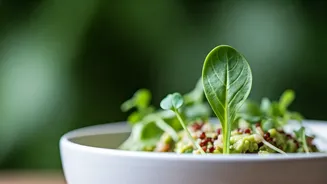
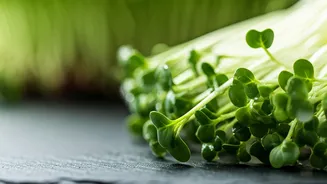
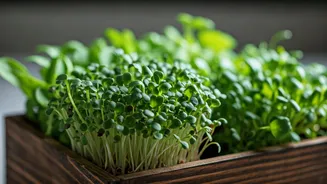
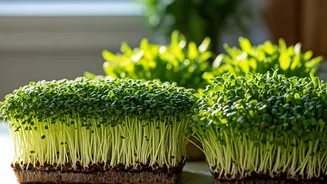
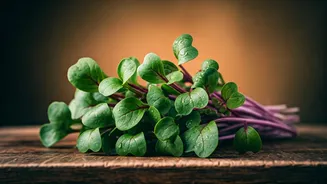
Before you dismiss them as just another food trend, it’s important to know what microgreens are—and what they aren’t. Microgreens are young vegetable greens, harvested just after the first true leaves have developed. They are essentially the seedling
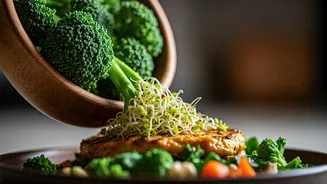
stage of edible vegetables and herbs like arugula, beets, kale, radish, and basil. This puts them in a unique category, somewhere between a sprout and a baby green. Unlike sprouts, which are germinated seeds that are eaten root, seed, and shoot, microgreens are grown in soil or a soil substitute. They are harvested by cutting them at the stem, just above the soil line, so you only eat the stem and leaves. This distinction is crucial for food safety, as the warm, moist conditions required for sprouting can also encourage bacteria growth. Microgreens, grown in a more open environment and with their roots left behind, are generally considered a safer alternative.
The 'Nutrient Spike' Explained
The headline-grabbing claim is about an “instant nutrient spike,” which speaks to the incredible density of vitamins and minerals packed into these tiny plants. While nutrients aren’t absorbed “instantly,” the “spike” refers to the potent concentration you get in every bite. Research, including studies from the USDA and the University of Maryland, has shown that microgreens can contain significantly higher levels of nutrients—sometimes 4 to 40 times more—than their mature counterparts. For example, red cabbage microgreens can have a much higher concentration of Vitamin C than full-grown red cabbage. Radish microgreens are exceptionally rich in Vitamin E. This nutritional density means that even a small handful can deliver a substantial boost of vitamins C, E, and K, along with other antioxidants like beta-carotene. For health-conscious individuals looking for maximum nutritional payoff with minimal effort, sprinkling on a handful of microgreens is an incredibly efficient way to elevate a meal from standard to nutrient-rich.
More Than Just Vitamins
The benefits extend beyond a simple vitamin count. Their vibrant colors—deep purples, bright pinks, and vivid greens—are indicators of a high concentration of polyphenols and other antioxidants. These compounds are valued for their role in helping the body combat cellular damage. In a world where we’re constantly told to “eat the rainbow,” microgreens offer a shortcut to doing just that on a single plate. They also offer a surprising range of flavors and textures. Depending on the variety, they can be spicy (radish, mustard), nutty (sunflower), sweet (pea shoots), or peppery (arugula). This complexity adds a culinary dimension that goes far beyond their nutritional profile. They can make a simple sandwich feel gourmet or add a fresh, crisp counterpoint to a rich dish like scrambled eggs or pizza.
How to Add Them to Your Diet
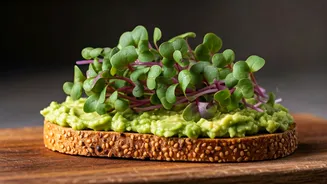
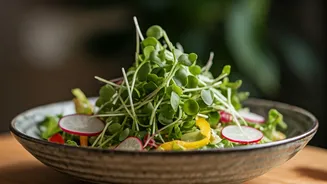
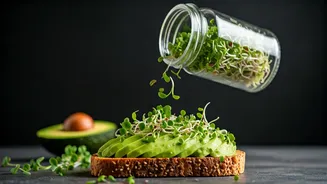
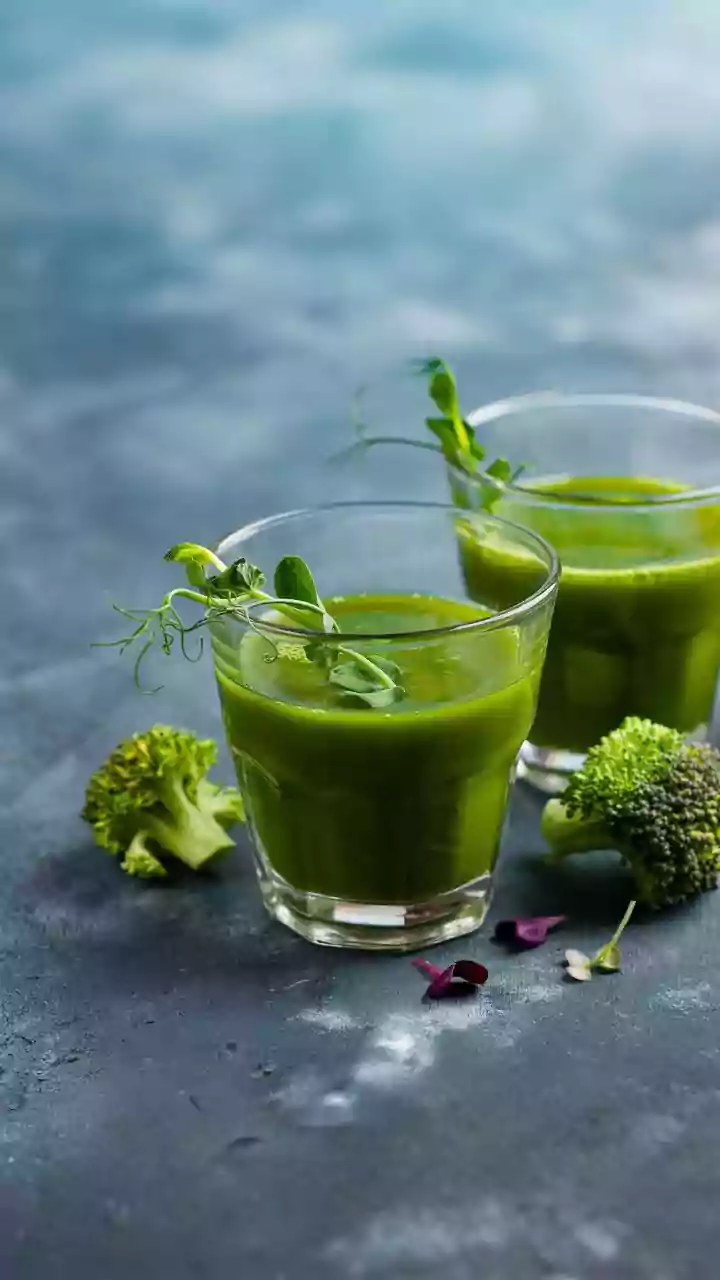
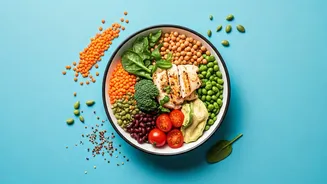
Incorporating microgreens into your daily routine is refreshingly simple. There’s no complex prep work required; just a quick rinse. Because of their delicate nature, they are best eaten raw. Cooking them would not only destroy their crisp texture but also degrade some of their valuable nutrients. Here are some of the easiest ways to use them: - **Garnish Everything:** Sprinkle them generously over eggs, avocado toast, soups, tacos, and grain bowls for a final flourish of flavor and nutrition. - **Upgrade Your Sandwiches:** Swap out limp lettuce for a handful of spicy radish or nutty sunflower microgreens in your next sandwich or wrap. - **Build a Better Salad:** Use them as the base for a salad instead of traditional lettuce, or mix them in with other greens for added texture and taste. - **Blend Them In:** For a stealthy health boost, toss a handful into your morning smoothie or blend them into pesto, dips, and sauces. Pea shoots work especially well for this, as they have a mild, sweet flavor.