





The Allure of the Miracle Grain
It’s easy to see the appeal. The term 'superfood' or 'super grain' is a powerful marketing tool, suggesting that one simple addition to your diet can unlock profound health benefits. Brands highlight exotic grains like quinoa, amaranth, or freekeh, often
linking them to ancient cultures and promising a nutritional silver bullet. This narrative simplifies the complexities of nutrition into an easy-to-follow instruction: just eat this one thing. This is especially tempting in a world saturated with conflicting health advice. The problem is, nutrition doesn't work that way. Health experts and dietitians largely agree that 'superfood' is a marketing concept, not a scientific one. While many of these hyped grains are indeed nutritious, they are not magical cure-alls.
What Makes a Grain 'Super'?
So-called super grains like quinoa often earn their title due to impressive nutritional profiles. For instance, quinoa is a complete protein, containing all nine essential amino acids, which is rare for a plant-based food. It is also high in fibre, iron, and magnesium. Other 'ancient grains' like amaranth and buckwheat offer similar benefits, boasting high levels of protein, minerals, and various antioxidants. These are genuinely healthy foods. However, comparing them to more common whole grains reveals a less dramatic picture. Brown rice, for example, shares a similar profile to quinoa in terms of being a good source of fibre and minerals. The humble oat is rich in a specific type of soluble fibre called beta-glucan, known for its ability to help lower cholesterol and balance blood sugar. The reality is that no single grain provides everything your body needs.
The Power of a Diverse Pantry
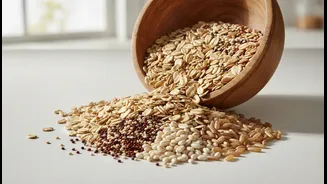
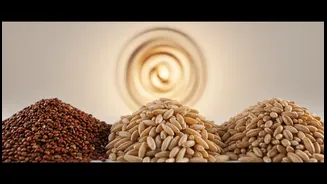
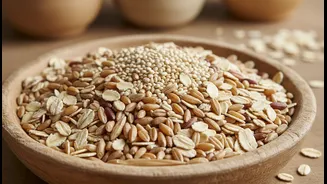
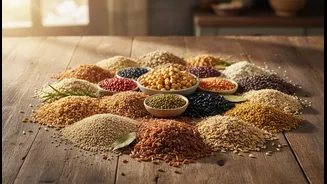
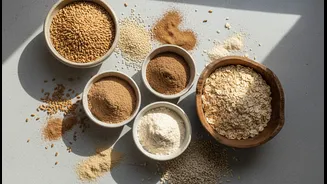
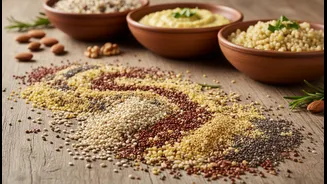
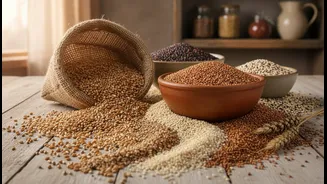
This is where the concept of a diverse pantry becomes so crucial. Different whole grains offer a complementary range of nutrients. While one might be rich in a particular amino acid, another might provide more of a certain B vitamin or mineral. By eating a variety—including oats, barley, brown rice, rye, and millet—you create a more robust nutritional safety net. This approach ensures you get a wide spectrum of fibres, which are essential for gut health, digestion, and preventing chronic diseases like heart disease and type 2 diabetes. Studies consistently show that the overall dietary pattern, rather than a single ingredient, is what truly impacts long-term health. Focusing on a variety of whole grains helps you build this healthy pattern without getting caught up in the hype and higher cost often associated with trendy 'super grains.'
Building a Better, Simpler Shopping List
Stocking a diverse pantry doesn't have to be complicated or expensive. Many of the most nutritious grains are also the most affordable and widely available. Consider adding these staples to your rotation: Oats: Inexpensive and versatile, oats are excellent for breakfast and can be ground into flour for baking. They are packed with soluble fibre. Barley: With a satisfyingly chewy texture, barley is rich in fibre and selenium. It’s a fantastic addition to soups and stews and is often underrated. Brown Rice: A cost-effective staple, brown rice is a good source of magnesium and fibre. It serves as a perfect base for countless meals. Rye: Often found in bread, rye berries can be cooked like rice. They are exceptionally high in fibre, which supports digestive health. * Millet: This small, gluten-free grain is a staple in many parts of the world. It’s a good source of magnesium and has been linked to better blood sugar control. These common grains provide an incredible array of health benefits without the premium price tag of their more fashionable counterparts.