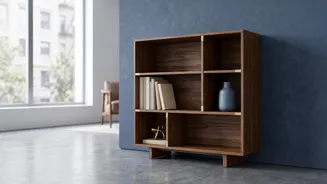






Start With a Neutral Foundation
The fastest way to date a room is by committing to a strong, specific theme. While it's tempting to paint a nursery in bold colours, designers suggest starting with a more timeless and neutral palette. Shades of white, soft grey, or warm beige create
a versatile canvas that can be easily updated. These calmer colours can also help create a soothing atmosphere, which is beneficial in a space meant for rest. A durable floor like hardwood or laminate, paired with a washable area rug, provides a foundation that can withstand everything from spilled juice to teenage dance parties. This neutral base allows you to introduce personality and colour through elements that are easy and inexpensive to change.
Invest in Adaptable Furniture
The single smartest investment is furniture that grows with your child. Many brands now offer clever, multi-functional pieces designed for longevity. Look for a crib that converts into a toddler bed and eventually a full-size bed frame. A simple, well-made dresser can serve as a changing station for a baby and later hold a teenager's clothes. For study and play, consider an adjustable-height desk or a play table that can later become a spot for homework. Loft beds are another excellent space-saving solution, freeing up floor space for a desk, a reading nook, or extra storage underneath.
Get Smart About Storage
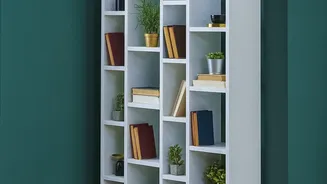
Clutter is a constant battle in any kid's room. The key is to create an organization system that is easy for a child to use and maintain. A mix of open and closed storage is ideal. Open bins and low shelves make it easy for little ones to access their favourite toys and, more importantly, put them away. Using labels with pictures helps pre-readers identify where things go. As they grow, modular shelving systems can be reconfigured to hold books, trophies, or electronics. Don't forget to utilize vertical and hidden spaces with wall-mounted shelves, over-the-door organisers, and rolling bins that slide under the bed.
Let Accessories Tell the Story
A neutral room doesn't have to be boring. Accessories are where your child's personality can truly shine, and they are simple to swap as their interests evolve. Instead of committing to a cartoon character theme on the walls, use bedding, pillows, and posters to celebrate their current obsession. Removable wall decals or peel-and-stick wallpaper can add a huge visual impact without any long-term commitment. You can create a personal gallery wall with their own artwork in frames that can be easily updated. Fun lighting, colourful rugs, and unique drawer knobs are other small details that can make the room feel special and personalised.
Create Flexible Zones
Even in a small room, creating distinct zones for different activities can improve functionality. Designate areas for sleeping, playing, and learning. As your child grows, these zones can adapt. A play corner with soft bins for toys can transform into a quiet reading nook with a comfy chair and a bookshelf. The area once used for a play kitchen can later become home to a desk and a computer for schoolwork. Area rugs are a great tool for visually separating these zones without building walls. This approach not only keeps the room organised but also helps it function efficiently through every stage of childhood.