




Why Protein Matters Beyond the Gym
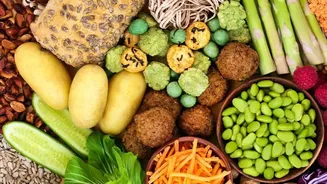
Protein is a vital macronutrient that often gets misunderstood, seen only as a tool for building muscle. In reality, it's a cornerstone of overall health, essential for repairing tissues, supporting your immune system, and producing crucial enzymes and hormones.
For anyone juggling a demanding schedule, adequate protein is your best defense against the dreaded afternoon slump. Unlike carbohydrates that can cause energy spikes and crashes, protein digests slowly, providing a steady release of energy that keeps you feeling full and focused for hours. According to the Indian Council of Medical Research (ICMR), a healthy sedentary adult needs about 0.83 grams of protein per kilogram of body weight daily. For a 60kg person, that's roughly 50 grams of protein every day.
The Power of Pulses and Legumes
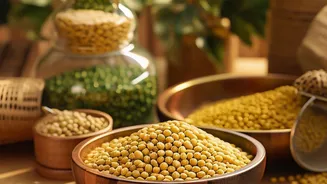
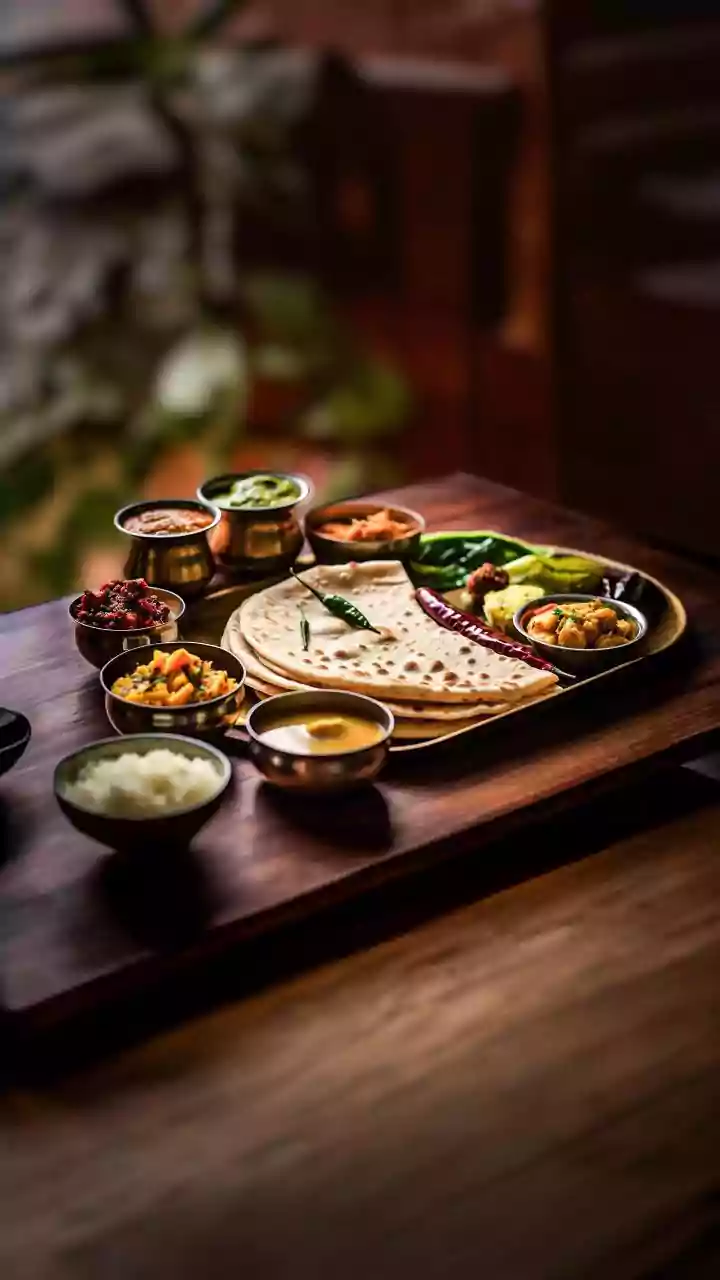
The foundation of affordable protein in India lies in its vast array of dals and legumes. Staples like moong, masoor, and toor dal are not only budget-friendly but also packed with protein, typically offering 22-25 grams per 100g (dry weight). Chickpeas (chana) and kidney beans (rajma) are equally potent. A key strategy is to combine these plant-based proteins with grains. The classic Indian meal of dal and rice or rajma and roti isn't just comforting; it's nutritionally smart. This combination creates a 'complete protein,' providing all the essential amino acids your body needs. Including a bowl of dal with your main meals is one of the easiest and most cost-effective ways to boost your daily intake.
Dairy, Soy, and Eggs: The Versatile Boosters
For vegetarians and non-vegetarians alike, dairy products are an accessible protein source. Paneer is a powerhouse, offering around 14-18 grams of protein per 100g. It can be easily added to curries, scrambled for a quick bhurji, or grilled as tikka. Curd (dahi) is another excellent option, perfect as a side, in raita, or as a base for smoothies. Soya chunks are an undisputed budget champion, delivering an impressive 52 grams of protein per 100g at a very low cost. Though their texture can take getting used to, they absorb flavours well in curries and pulao. For non-vegetarians, eggs are nature's perfect protein, providing about 6 grams of high-quality, easily absorbed protein per egg for a minimal price.
Smart Snacking and Whole Grains
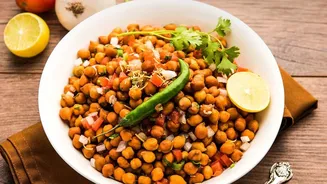
Your snacks are another opportunity to add a protein punch. Instead of reaching for chips, consider a handful of roasted chana or peanuts. Peanuts contain about 26 grams of protein per 100g and are an incredibly cheap source of both protein and healthy fats. Seeds like sunflower and pumpkin are also great additions to your diet, easily sprinkled over salads or yogurt. Don't overlook the contribution of whole grains, either. Millets like bajra and ragi, as well as oats and quinoa, contain more protein than refined grains and add valuable fibre to your meals. Even making simple swaps, like choosing whole wheat bread for your toast, contributes to your overall daily protein count.
Putting It All Together: Simple Meal Ideas
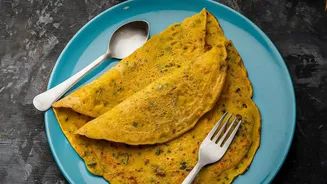
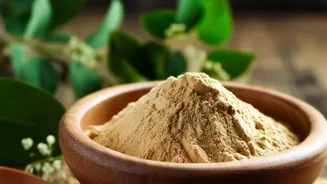
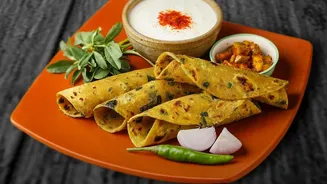
Building better meals is about combining these sources throughout the day. Start your morning with a moong dal chilla or a besan cheela, which can provide around 8-10 grams of protein per piece. For lunch, a simple rajma curry with rice and a side of curd covers multiple bases. A quick and satisfying dinner could be paneer or egg bhurji with whole wheat rotis. If you're on the go, a sprouts chaat or a sattu drink can be a fantastic, protein-rich snack. The goal isn't to eat huge quantities of one thing, but to create a varied plate that draws from different protein sources, ensuring you get a wide range of nutrients.