




The Myth of 'Mastery'
The idea of 'mastering' flexibility can be intimidating, suggesting a final, perfect state. In reality, flexibility is a continuous journey, not a destination. For beginners, the goal isn't to perform complex poses overnight, but to achieve a functional
and comfortable range of motion that enhances daily life. It's about feeling less stiff after sitting, being able to bend down with ease, and preventing injuries. The 'mastery' you can achieve at home is control and awareness over your own body, understanding its limits while gently encouraging them to expand. It's a personal practice where progress is measured in how you feel, not just how far you can stretch. The real win is creating a sustainable habit that serves your body for years to come.
Why Daily Practice Is Your Superpower
When it comes to flexibility, consistency trumps intensity every time. A short, 10-15 minute daily yoga session is far more effective than one long, strenuous class per week. Daily practice helps your muscles, ligaments, and connective tissues adapt and lengthen gradually. This consistency lubricates the joints and increases blood flow, which reduces stiffness and the risk of injury. Think of it like learning a language; brief, regular immersion builds fluency faster than cramming. A daily routine creates muscle memory and teaches the body to relax into stretches, making poses that once seemed impossible feel more accessible over time. One study even found that participants improved their flexibility by up to 35% after just eight weeks of regular yoga.
Foundational Poses for Daily Flexibility
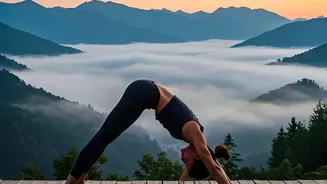
You don't need a complicated routine to see results. Start with these foundational poses that target key areas of the body. Hold each for at least 30 seconds, breathing deeply. Cat-Cow Stretch (Marjaryasana-Bitilasana): Start on your hands and knees. As you inhale, drop your belly and look up (Cow). As you exhale, round your spine and tuck your chin (Cat). This warms up the entire spine and is a perfect way to begin any practice. Downward-Facing Dog (Adho Mukha Svanasana): From hands and knees, lift your hips up and back to form an inverted 'V'. Gently 'pedal' your feet by bending one knee at a time to stretch your hamstrings and calves. This pose lengthens the entire back of the body. Child's Pose (Balasana): From your knees, sit back on your heels and fold forward, resting your forehead on the floor with arms extended. This is a resting pose that gently stretches the lower back, hips, and shoulders. Seated Forward Bend (Paschimottanasana): Sit with your legs straight out. Inhale to lengthen your spine, and exhale to gently fold forward over your legs. You can bend your knees generously to protect your lower back. This is an excellent hamstring stretch. Low Lunge (Anjaneyasana): From a standing position, step one foot far back and lower the back knee to the ground. This provides a deep stretch for the hip flexors, which are often tight from prolonged sitting.
Listen to Your Body, Not Your Ego
The most important rule in yoga is to listen to your body. Flexibility is gained by working at your edge, not by pushing past it into pain. It's crucial to distinguish between the sensation of a deep stretch and sharp, pinching pain. If you feel pain, gently ease off. Many people believe they are 'too stiff' for yoga, but this is precisely why they can benefit the most. Using props like yoga blocks, cushions, or even a towel can make poses more accessible. For example, placing your hands on blocks in a forward fold can help you maintain a straight spine if you can't reach the floor. The goal is sustainable progress, which requires patience and self-compassion. Your flexibility will vary day to day, and that's perfectly normal.