





Choose Quick-Dry Fabrics Over Cotton
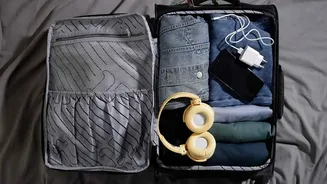
When packing for a monsoon trip, the fabric of your clothes makes all the difference. Cotton and denim are highly absorbent and can take hours, or even days, to dry in humid conditions. Instead, opt for synthetic materials like polyester, nylon, or other
quick-drying blends. These fabrics wick moisture away from your body and will dry much faster after a downpour, keeping you comfortable. Lightweight, loose-fitting synthetic clothes are your best bet for staying comfortable and avoiding the unpleasant feeling of damp fabric clinging to your skin.
The Right Footwear for Slippery Surfaces
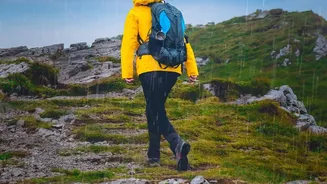
Monsoon transforms paths into slippery, muddy tracks, making footwear choice critical for safety and comfort. Avoid leather shoes, which get ruined by water, and canvas sneakers that become heavy and waterlogged. Instead, pack waterproof or water-resistant sandals with a good grip. Styles like floaters, rubber sandals, or EVA-based clogs are ideal as they are lightweight, offer good traction, dry quickly, and are easy to clean. If you get caught in the rain, your feet won't be stuck in soggy shoes for hours. For treks in leech-prone areas, closed-toe trail runners or anti-leech socks are essential.
Waterproof Your Belongings
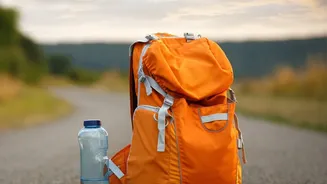
Protecting your belongings, especially electronics, is a top priority. While a rain cover for your backpack is a good start, it’s often not enough in a heavy downpour. Consider investing in a fully waterproof backpack or dry bag to keep everything inside safe. For smaller items, zip-lock bags or dedicated waterproof pouches are a traveller's best friend. Use them to compartmentalise and protect your phone, wallet, passport, and other important documents from moisture and rain. These are inexpensive and incredibly effective.
Pack a Microfibre Towel
Standard hotel towels are bulky and slow to dry, which is a major inconvenience in the damp monsoon weather. A microfibre travel towel is a game-changer. These towels are incredibly lightweight, compact, and absorb a surprising amount of water. Most importantly, they dry in a fraction of the time compared to their cotton counterparts, ensuring you always have a dry towel ready when you need it. This simple swap can make a huge difference to your comfort.
Bring a First-Aid Kit and Insect Repellent
The monsoon season often leads to an increase in mosquitoes and other insects, raising the risk of bites and vector-borne illnesses. A reliable insect repellent containing DEET or picaridin is a non-negotiable item for your bag. Your first-aid kit should also be monsoon-ready. Include basics like antiseptic wipes, bandages, and any personal medications, but also add antifungal powder or cream and rehydration salts (ORS). High humidity can lead to skin issues, and also drains you of electrolytes faster than you might think.
Don’t Forget a Power Bank
Heavy rains can sometimes cause power cuts, especially in more remote or hilly areas. Being caught with a dead phone when you need to check maps or contact someone can be stressful. A fully charged power bank is an essential backup to ensure your devices stay powered up, no matter the weather. It provides peace of mind and keeps you connected, allowing you to navigate and capture memories without worrying about your battery life.
Consider a Compact, Windproof Umbrella
While a raincoat is essential, a sturdy, wind-resistant umbrella offers quick protection for short dashes through the rain without having to put on a full jacket. It's perfect for navigating city streets or moving between your hotel and a restaurant. Umbrellas are often more convenient than raincoats, which can be ineffective against strong winds and heavy downpours, particularly in hilly areas. Look for a compact model that can easily fit into your daypack so you're always prepared for a sudden shower.