



Always Start with the Ingredients
Before you get swayed by claims like “high protein” or “low carb” on the front of the box, flip it over and read the ingredient list. This is the most honest part of the packaging. Ingredients are listed by weight, so the first few items make up most of what
you're eating. If sugar, syrups, or unrecognisable chemical names appear at the top, it’s a red flag. A shorter list full of whole-food ingredients like nuts, seeds, oats, or real protein sources is always a better sign.
Understand the Protein Source
Not all protein is created equal. The label will tell you if the protein comes from whey, casein, egg whites, or plant-based sources like pea, soy, or brown rice. Whey and casein are dairy-derived complete proteins excellent for muscle repair. Plant proteins like pea and soy are also effective, especially for those with dairy sensitivities. Be cautious if the primary source is collagen, as it's an incomplete protein and won't support muscle building in the same way. Aim for products that offer at least 10-15 grams of protein from a quality source to be considered a genuine protein snack.
Check the Protein-to-Calorie Ratio
A product can be high in protein but also incredibly high in calories, defeating the purpose for many. A simple rule of thumb is the 10:1 ratio: for every 10 calories, there should be at least 1 gram of protein. For example, a bar with 200 calories should ideally have around 20 grams of protein. You can calculate this by dividing the total calories by the grams of protein. If the result is 10 or less, it’s a protein-dense choice. If it's much higher, the product is likely packed with more fats and carbs than protein.
Hunt for Hidden and Added Sugars
This is where many seemingly healthy protein products fail. Manufacturers use sugar to improve taste, but it adds empty calories and can cause energy crashes. Look for the “Added Sugars” line on the nutrition panel. Be aware that sugar hides under many names, including high-fructose corn syrup, dextrose, maltodextrin, agave nectar, and brown rice syrup. If a sweetener is one of the first three ingredients, it’s probably closer to a candy bar than a health food. Also, be mindful of sugar alcohols like erythritol and xylitol; while they are low-calorie, they can cause digestive discomfort for some people.
Don't Forget Fibre and Fat
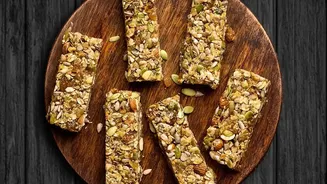
Protein alone doesn't guarantee you'll feel full. Fibre is crucial for satiety, digestion, and preventing blood sugar spikes. Look for a bar or snack with at least 4-5 grams of fibre, preferably from whole-food sources like nuts, seeds, or oats. Healthy fats from nuts and seeds also contribute to feeling full and provide sustained energy. However, check the saturated fat content. While some is fine, a high amount might indicate the use of less healthy oils and fillers to improve texture and shelf life.
Beware of Misleading 'Health Halos'
Words like “natural,” “keto-friendly,” or “plant-based” don’t automatically make a product healthy. These marketing terms can create a misleading “health halo” around products that are still high in sodium, unhealthy fats, or sweeteners. Research has shown that many foods with protein claims are actually less healthy than their regular counterparts, containing more sodium or fat. Always rely on the nutrition facts and ingredient list, not the buzzwords on the front of the package.