



As cosy weather approaches, two comforting foods often take centre stage: sweet potatoes and chestnuts. While both are delicious, they are also nutritional powerhouses, especially when it comes to dietary fibre. Let's look beyond a simple contest.
Why We Talk About Fibre
Before
diving into our two contenders, it’s important to understand what dietary fibre is and why it matters. Fibre is a type of carbohydrate that the body can't digest. It passes through your system relatively intact, playing a crucial role in maintaining gut health, regulating blood sugar levels, and promoting a feeling of fullness. There are two main types: soluble and insoluble fibre. Soluble fibre dissolves in water to form a gel-like substance, which can help lower cholesterol and stabilize blood glucose. Insoluble fibre adds bulk to stool, helping to prevent constipation and keep your digestive system running smoothly. A healthy diet requires a good balance of both, and many plant-based foods contain a mix of the two.
The Humble, Versatile Sweet Potato
The sweet potato, or 'shakarkandi' as it's known in many parts of India, is a beloved root vegetable praised for its versatility and nutritional punch. A medium-sized sweet potato baked with its skin on contains about 4 grams of dietary fibre, which is a mix of both soluble and insoluble types. The soluble fibre, mostly pectin, contributes to its smooth texture when mashed, while the insoluble fibre is concentrated in the skin. This means that eating the skin is a simple way to boost your fibre intake. Beyond fibre, sweet potatoes are an exceptional source of Vitamin A, with a single medium one providing well over the daily recommended amount. They also offer a good dose of Vitamin C and potassium.
The Festive, Nutty Chestnut
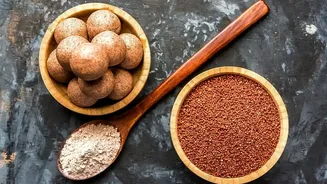
Often associated with winter, chestnuts have a unique nutritional profile that sets them apart from other nuts. Known as 'singhara' in India (referring to the water chestnut, which has a similar starchy texture), they are botanically different but share culinary applications and a focus on carbohydrates rather than fats. Chestnuts are surprisingly low in fat and calories compared to nuts like almonds or walnuts. They are a good source of dietary fibre, with 100 grams providing around 5 grams. This fibre content helps with digestion and can slow down sugar absorption to help control blood sugar levels. Uniquely among nuts, chestnuts also contain Vitamin C, a powerful antioxidant.
A Tale of Two Fibres
When placed side-byside, it’s clear both foods are excellent fibre contributors. Per 100 grams, chestnuts tend to have a slightly higher total dietary fibre content than sweet potatoes. However, the composition is key. Sweet potatoes provide a healthy balance of soluble and insoluble fibre, especially when the skin is consumed. This combination is great for overall gut health, helping both with regularity and feeding beneficial gut bacteria. Chestnuts also provide valuable fibre that aids satiety and digestive health. The takeaway isn't that one is definitively better, but that both offer significant amounts of this essential nutrient in slightly different packages.
Incorporating Both Into Your Diet
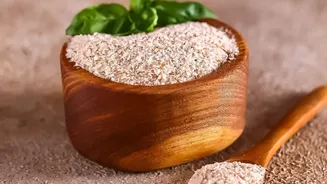
In India, both sweet potatoes and chestnuts are enjoyed in a variety of delicious ways. Shakarkandi is a popular street food, often roasted and tossed with chaat masala and lime juice. It's also a staple during fasting periods ('vrat') and can be used in curries, tikkis, and even desserts like kheer. Similarly, singhara (water chestnuts) can be eaten raw, boiled, or roasted. Singhara atta, or chestnut flour, is widely used to make rotis, puris, and sweets like halwa, particularly during Navratri. Both can be easily added to sabzis, curries, and snacks, making it simple to get their benefits.