





A Land in Constant Motion
Nepal's position is a matter of geological destiny. The country sits directly on the boundary where the Indian tectonic plate collides with the Eurasian plate. The Indian plate is relentlessly pushing northward at a rate of about two inches per year,
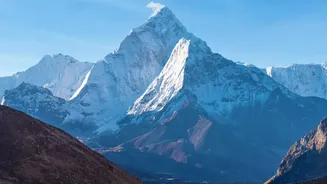
sliding under the Eurasian plate. This immense pressure created the Himalayas, but it also means the region is one of the most seismically active in the world. Strain builds up along fault lines until it is released in the form of earthquakes. The devastating 2015 earthquake was a stark reminder of this power. These quakes are often shallow, meaning their destructive energy is felt more intensely on the surface. The danger isn't just the shaking itself, but the chain reactions they trigger, known as cascading hazards: landslides, avalanches, and blocked rivers that create new flood risks.
The Fury of the Monsoon
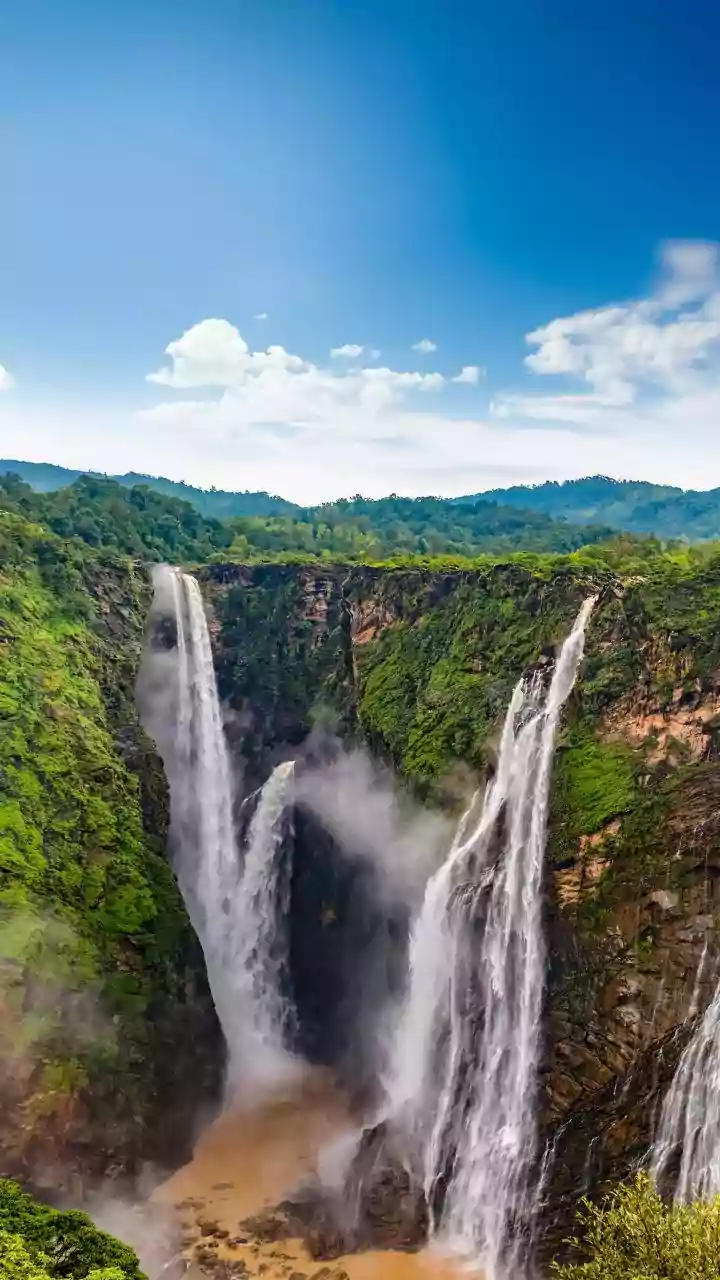
From June to September, the monsoon season brings life-giving rain, accounting for the vast majority of Nepal's annual precipitation. But in a country with such steep and fragile terrain, this rain is also a recurring threat. Intense downpours on unstable slopes, some destabilized by previous earthquakes, frequently trigger deadly landslides and flash floods. Climate change is making this threat more severe. Scientists have found that a warmer atmosphere, capable of holding more moisture, is making monsoon rainfall more intense and erratic. Recent studies show that extreme rainfall events have become significantly more likely and heavier due to human-induced climate change. This intensifies flooding in river basins and turns streets in urban areas like Kathmandu into raging torrents.
When Disasters Compound
The true scale of Nepal's vulnerability lies where these two titanic forces meet. An earthquake doesn't just destroy buildings; it can fissure terraces and slopes, priming them for collapse when the monsoon rains arrive. In the Kathmandu Valley, the ground is composed of a deep layer of clay that can turn to quicksand during an earthquake through a process called soil liquefaction, multiplying the damage. Conversely, a landscape saturated by heavy monsoon rains is more susceptible to landslides during a seismic event. Another growing threat is the formation of massive glacial lakes, swelled by melting ice due to rising global temperatures. An earthquake or landslide can breach the natural dams holding these lakes back, resulting in a Glacial Lake Outburst Flood (GLOF)—a sudden, catastrophic wall of water that can obliterate everything downstream with little warning. A deadly flash flood on August 26, 2026, which killed over 150 people along the Bhote Koshi river, was believed to have been caused by just such a cascading event, where a glacier collapse triggered a debris flow.
The Human Element
Natural forces are only part of the story. Rapid, often unregulated urbanization has dramatically increased the risk. In the Kathmandu Valley, for example, there has been a massive increase in built-up areas over the past few decades, often on floodplains and other hazardous locations. Poverty and a lack of strict building codes mean many people live in structures unable to withstand an earthquake. These factors mean that natural hazards disproportionately affect the most vulnerable populations. While early warnings are sometimes issued, limited resources and difficult terrain can hinder effective response and aid delivery, leaving communities exposed. The August 2026 floods, for instance, damaged a key highway, severing the main road connection to the border and hampering rescue efforts.
A Race for Resilience
Despite the immense challenges, Nepal is not standing still. The country has shifted from a reactive to a more proactive approach to disaster management. The establishment of the National Disaster Risk Reduction and Management Authority (NDRRMA) in 2019 was a key step in coordinating efforts across all levels of government. Thousands of local officials have been trained in disaster management to build resilience from the community level up. Efforts are underway to improve early warning systems, reinforce building codes, and mainstream disaster risk into all development planning. International partners and UN agencies are supporting these initiatives, focusing on anticipatory action for monsoon floods and enhancing earthquake preparedness. However, the scale of the threat is immense, and every effort is part of a constant race against time.