





The Warmth of Simplicity
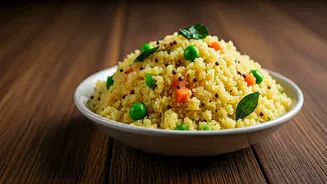
On a damp, grey morning, complex meals feel like a chore. The beauty of upma lies in its elegant simplicity. It’s a dish born from pantry staples: rava (semolina), a handful of spices, and maybe an onion or a few stray vegetables from the fridge. In less
than 20 minutes, a kitchen can be filled with the promise of a hot, satisfying breakfast. This accessibility is key to its charm. It doesn’t demand fancy ingredients or complicated techniques. It’s a democratic dish, equally at home in a bustling city apartment as it is in a quiet village kitchen. This humble nature is precisely what makes it so comforting; it’s a reliable, no-fuss friend on a lazy, rain-soaked day.
A Symphony for the Senses
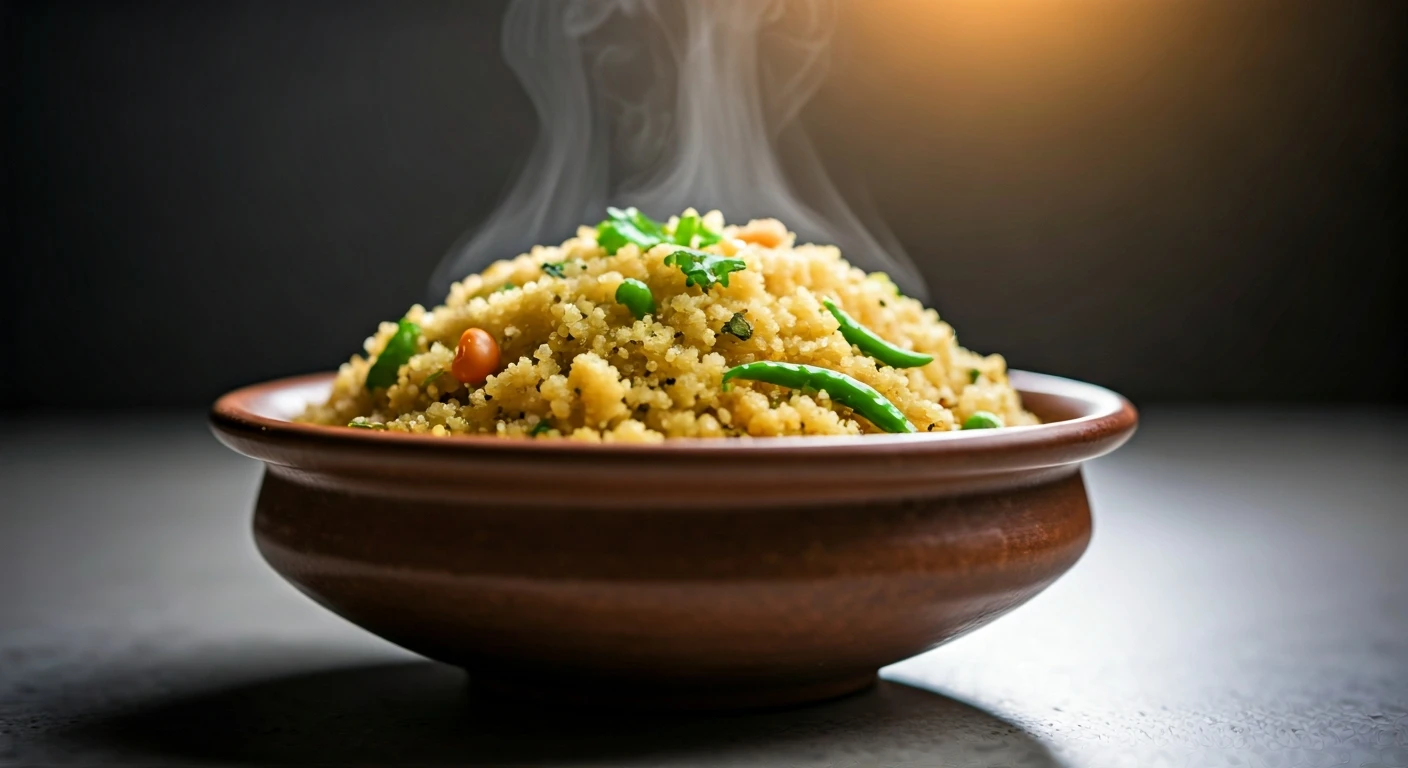
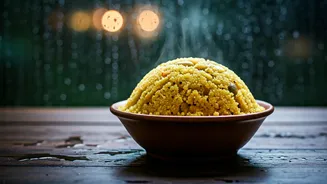
To say you are ‘making upma’ is to undersell the experience. It begins with a sensory prelude. First, the hiss of oil in a hot kadai. Then, the sharp, percussive pop of mustard seeds, followed by the crackle of urad and chana dal turning golden. The aroma intensifies as curry leaves and slivers of ginger and green chilli are tossed in, releasing a fragrance that is quintessentially Indian. Finally, the roasted rava is added, absorbing the water and transforming from a coarse grain into a fluffy, steaming cloud. Each step is a familiar ritual, a comforting sequence of sounds and smells that signal warmth, nourishment, and the start of a slow, cosy day, perfectly harmonised with the rhythm of the falling rain.
A Dish for All Times
While it shines as a rainy morning favourite, upma’s versatility is legendary. Is it strictly a breakfast food? Not at all. It’s a quick-fix dinner on a busy weeknight. It’s a light, yet filling, evening snack (tiffin) to be enjoyed with a cup of chai. It’s the go-to meal when you’re feeling slightly under the weather and crave something easy to digest. This adaptability has cemented its place in the Indian culinary lexicon. Unlike heavier meals, upma provides sustenance without inducing sluggishness, making it an ideal candidate for any time you need a quick, warm hug in a bowl. Its ability to satisfy hunger without overwhelming the palate is a delicate balance that few dishes achieve so effortlessly.
One Name, Many Personalities
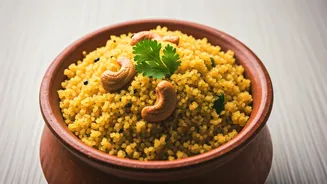
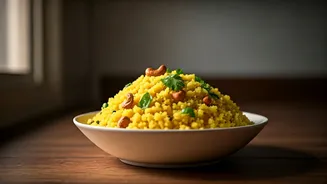
To call it just ‘upma’ is to ignore its rich, diverse family across the country. The claim to being a national favourite is bolstered by its incredible regional adaptability. In Karnataka, it transforms into the spicier, more flavourful 'khara bath,' often loaded with vegetables and served with a dollop of ghee and a side of coconut chutney. In Maharashtra, it’s often made with onions ('kanda pohe's cousin) and garnished with fresh coriander and sev. In Tamil Nadu, the tempering might be more pronounced, with cashews adding a delightful crunch. Some families add tomatoes for a tangy twist, while others swear by a squeeze of lemon at the end. This is not a monolith; it is a culinary canvas, reflecting the tastes and traditions of each region, each home, and each cook who makes it their own.
The Perfect Monsoon Partner
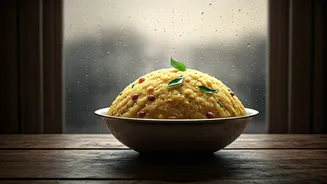
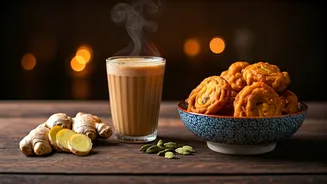
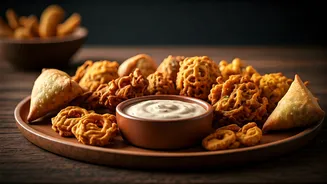
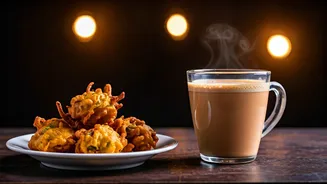
So why, ultimately, does upma feel so right on a rainy day? It’s a confluence of factors. The dish is warm, contrasting beautifully with the cool, damp air. It’s savoury and light, a welcome alternative to the equally beloved but much heavier fried pakoras. The process of making it is a small, mindful act that brings warmth and life into a kitchen that might feel gloomy under grey skies. It evokes powerful feelings of home, childhood, and care. Eating a bowl of freshly made upma while watching the rain fall is a simple, profound pleasure—a moment of quiet contentment that feels both personal and universally understood across the subcontinent. It doesn’t just feed the body; it soothes the soul.