

For many with diabetes, especially in India, the thought of giving up sweets feels like a huge sacrifice. But deprivation isn't the only answer. The key to enjoying a treat lies not in the recipe alone, but in how it fits your total dietary strategy.
The Foundation: Your Overall Meal Plan
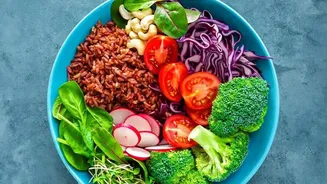
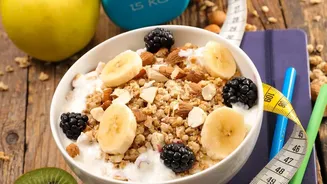
Before even thinking about dessert, it's crucial to understand what a healthy diabetes meal plan involves. It's not a 'no sugar' diet, but a balanced approach focused on regular mealtimes and nutrient-dense foods. The cornerstones are lean proteins, non-starchy vegetables, whole grains, and healthy fats. A well-managed plan helps keep blood sugar levels stable throughout the day. This structured approach, often guided by a dietitian, creates the 'budget' within which a sweet treat can occasionally fit. The goal is to eat regular, balanced meals to avoid sharp spikes or dips in blood glucose.
Count Carbs, Not Just Sugar
The single most important factor in managing blood sugar is tracking the total amount of carbohydrates consumed. It’s a common misconception to only focus on the 'sugar' content. Foods like white flour, certain fruits, and even milk contribute to your total carb intake. A dessert, therefore, must be accounted for in your daily or meal-specific carbohydrate budget. This might mean making a trade-off. For example, if you plan to have a small sweet after dinner, you might decide to skip the serving of rice or chapati with your meal to make room for the dessert's carbs. Checking the nutrition labels or recipe information for 'Total Carbohydrates' is more important than looking at just the sugar grams.
The Power of Portion Size
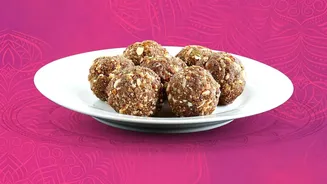
Even a diabetes-friendly dessert can cause a blood sugar spike if eaten in large quantities. Portion control is non-negotiable. Instead of a large slice of cake, a few satisfying bites are a much safer approach. Using smaller plates and bowls can make a smaller portion feel more substantial. For Indian sweets, this might mean having one small dry fruit laddu instead of two, or sharing a bowl of kheer with a family member. The goal is to savour the experience and satisfy a craving without overloading your system. Eating slowly also gives your brain time to register that you're full, preventing overindulgence.
Smart Swaps and Healthier Ingredients
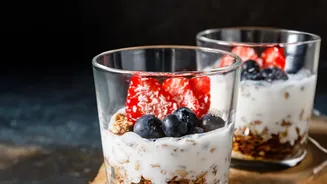
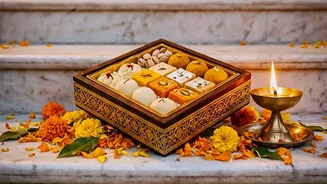
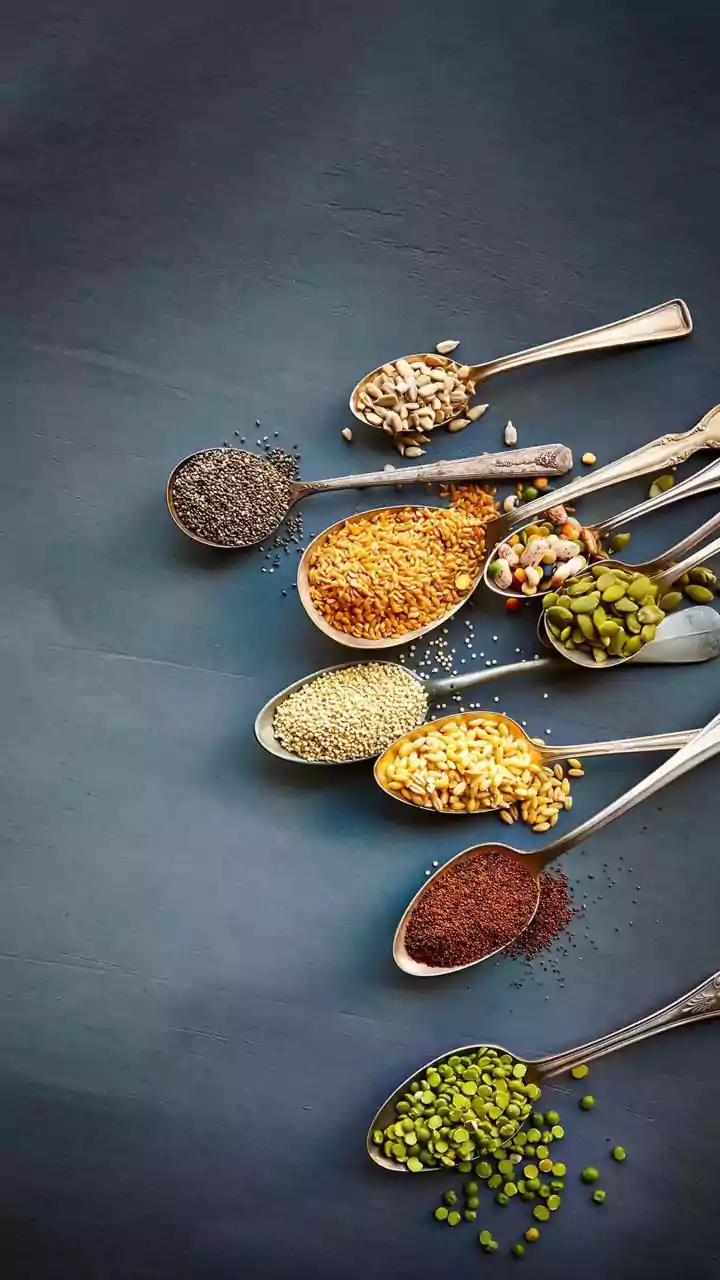
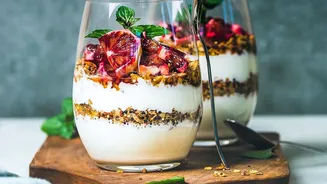
The recipe itself does matter. Simple modifications can significantly lower the glycaemic impact of a dessert. Swapping refined flour (maida) for whole grains like ragi or almond flour can add fibre and nutrients. Instead of sugar, consider using natural sweeteners like dates or figs in moderation, as they also provide fibre. For traditional Indian sweets, exploring options like makhana kheer, ragi ladoos, or fruit-based chaat can be a great alternative to high-sugar, high-fat mithai. When it comes to fats, using ghee in moderation is generally better than hydrogenated oils. Be cautious with 'sugar_free' products; while they may not contain white sugar, they can still be high in carbohydrates and calories from other ingredients.
Timing Your Treat Wisely
When you eat your sweet treat is almost as important as what you eat. Having a dessert on an empty stomach can cause a rapid spike in blood sugar. A much better strategy is to eat it alongside or immediately after a balanced meal containing protein, fibre, and healthy fats. These other nutrients help slow down the absorption of sugar into the bloodstream, leading to a more gradual and manageable rise in blood glucose levels. Think of dessert not as a standalone snack between meals, but as the final, small component of a complete meal.