






The Battle of the Budgets
For many young Indians, the decision to stream at home is simple math. A single trip to a multiplex can be a significant expense. In major cities, premium tickets can cost anywhere from ₹500 to over ₹2000, especially for event films. Add the high cost of
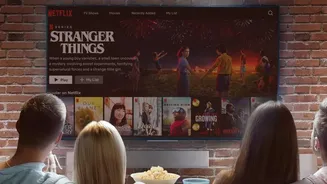
food and beverages, which audiences cite as a major barrier, and a family of four can easily spend over ₹2,000 on one movie. In contrast, an annual subscription to a major OTT platform like Amazon Prime or Disney+ Hotstar costs around ₹1,499. For the price of one premium movie ticket, a viewer gets a year's worth of unlimited content, making streaming a far more cost-effective option for daily entertainment. This stark economic difference is a primary driver behind changing habits.
Convenience, Choice, and Control
Beyond cost, OTT platforms offer unparalleled convenience. The ability to watch content anytime, anywhere, on any device is a powerful draw for a generation accustomed to on-demand services. There are no fixed showtimes, travel hassles, or parking woes. This flexibility is a key factor cited by Gen Z viewers. Furthermore, the sheer variety of content is a massive advantage. OTT platforms provide a vast library of films, international series, documentaries, and niche content that traditional cinemas cannot match. This has cultivated a culture of 'binge-watching' and personalised viewing, where algorithms suggest content tailored to individual tastes. For many, especially those in Tier 2 and Tier 3 cities with growing internet access, OTT has democratized entertainment.
Are Theatres Really Losing? The Revenue Reality
While the rise of streaming is undeniable, the narrative that it's 'killing' cinemas is more complex. While there was a dip in theatrical revenues and a fall in footfalls in the years immediately following the pandemic, the box office has shown remarkable resilience. In 2025, the Indian box office hit a record high of ₹13,000 crore, indicating a strong theatrical resurgence. This suggests that while casual movie-going for mid-budget films has shifted to OTT, audiences will still turn up for 'event films'—large-scale spectacles that demand a big-screen experience. However, the overall market share has been affected. One report noted Hindi films' box office share dropped from 55% in 2019 to 35% in 2024 as audiences spent more time on streaming platforms. Theatrical revenues are projected to continue growing, but at a slower pace than the overall media and entertainment industry.
A New Content Ecosystem
Instead of a zero-sum game, the industry is evolving into a hybrid ecosystem where both mediums coexist. Theatres are increasingly positioned as destinations for premium, immersive experiences. Multiplex chains are investing in 'future-ready' cinemas with laser projection, superior sound, and luxury seating to justify the ticket price. At the same time, OTT has become a haven for content that might not have found a theatrical audience, such as character-driven dramas, bold thrillers, and long-form series. This is particularly true for regional cinema, especially from the South, which has found a massive pan-Indian audience and significant investment from streaming giants. Filmmakers now have dual revenue streams, often planning a theatrical run followed by a lucrative digital rights sale. The window between theatrical and OTT release, which had shrunk dramatically, is now being strategically widened again to 8-12 weeks to protect box office collections.