





Meet the Queen of Fruits
In the lush, hilly terrain of Tripura grows a pineapple so special it has been crowned the state fruit: the Queen Pineapple. This isn't just any pineapple. It boasts a Geographical Indication (GI) tag, a prestigious label awarded in 2015 that recognizes
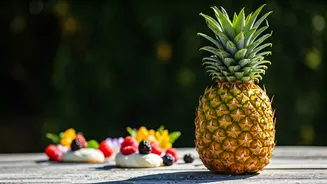
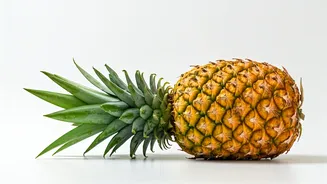
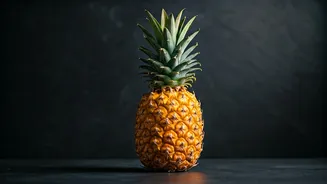
its unique qualities tied directly to its origin in Tripura. The GI tag is a guarantee of authenticity, signifying that the fruit’s exceptional characteristics are a product of the region's specific agro-climatic conditions. Grown with minimal to zero chemical fertilizers, often by tribal communities for whom the fruit is a vital source of livelihood, the Queen Pineapple is a testament to the state's rich horticultural heritage. Unlike the larger, more common varieties, the Queen is relatively small, with a distinctive golden-yellow hue and a spiky crown.
A Symphony of Sweetness and Aroma
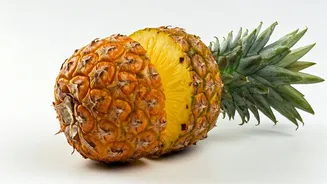
What truly sets the Queen Pineapple apart is its remarkable taste profile. It is exceptionally sweet with low acidity, a crisp texture, and very little fiber, making it a delight to eat fresh. But its most defining characteristic is its powerful and distinctive aroma. Locals and connoisseurs know that the fragrance of a ripe Queen Pineapple is an experience in itself, a tropical perfume that fills the air. This unique combination of intense sweetness and captivating scent is a world away from the often-tart and fibrous pineapples that many are accustomed to. Its firm, golden flesh holds up beautifully, making it incredibly versatile. These qualities—officially recognized by its GI status—are precisely what make it an ingredient with superstar potential, especially in the world of desserts where flavour, texture, and aroma are paramount.
Beyond the Fruit Platter
For too long, pineapple's role in dessert has been typecast. It's the predictable ring on an upside-down cake, a chunk in a fruit salad, or a simple garnish. While there’s nothing wrong with these classics, they barely scratch the surface of what’s possible. The robust sweetness and aromatic complexity of the Queen Pineapple invite a much bolder approach. Its low fibre content means it can be transformed into smooth sorbets, velveteen mousses, and rich coulis without the stringiness of other varieties. Its high sugar content allows for perfect caramelization, suggesting exciting possibilities for grilling and roasting. Dessert menus in India are becoming increasingly innovative, yet they often overlook the incredible diversity of indigenous produce. The Queen Pineapple is a prime candidate to break this pattern and move from a supporting role to a starring one.
Igniting Culinary Imagination
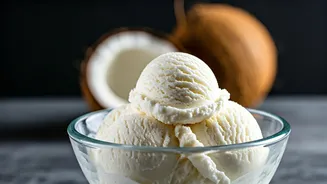
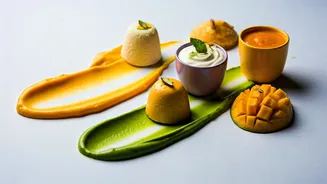
Imagine a dessert menu energized by Tripura's Queen Pineapple. Picture a sophisticated tart tatin where the pineapple’s sweetness is balanced by a flaky, buttery crust. Envision it grilled and served warm with a scoop of coconut-jaggery ice cream, its caramelized edges offering a smoky counterpoint to its inherent sweetness. Think of a light, airy pineapple mousse, a refreshing granita with a hint of mint and chili, or even a deconstructed cheesecake where a vibrant Queen Pineapple compote is the hero. Chefs could create stunning layered puddings, pineapple-filled pastries, or even a pineapple and white chocolate crémeux. The firm texture makes it ideal for dishes where the fruit needs to retain its shape, while its potent flavour ensures it won't get lost among other ingredients. It's a versatile canvas for culinary creativity waiting to be explored.
A Boost for Farm and Table
Championing the Queen Pineapple is about more than just taste; it’s about supporting a vital ecosystem. The government has recognized its potential, launching initiatives like the 'Mission Queen Pineapple' to bolster its value chain, from farm to international markets. When restaurants and chefs choose to feature the Queen Pineapple, they are not just adding a new item to their menu. They are creating demand that directly benefits the farmers in Tripura, a majority of whom belong to tribal communities. This supports local economies, promotes sustainable and often organic farming practices, and helps preserve India's incredible agricultural biodiversity. It's a delicious decision with a powerful ripple effect, connecting the diner's plate to the farmer's prosperity and celebrating a true national treasure that deserves its moment in the spotlight.