






The Ever-Changing Welcome Mat
In a flurry of policy changes, Thailand has been adjusting its entry rules, causing both excitement and confusion for international travellers. Earlier this year, a plan was announced to expand visa-free entry to 93 nations with a generous 60-day stay.
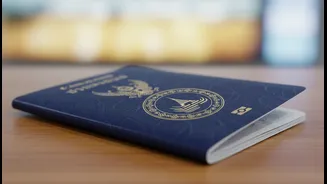
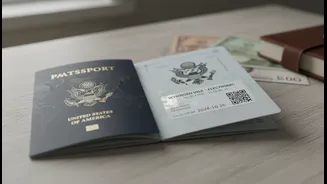
However, citing concerns over misuse and national security, the Thai cabinet has since revised this ambitious plan. As of mid-July 2026, the government has settled on a new framework. The widely discussed 60-day visa-free stay has been revoked before it was even broadly implemented. Instead, a list of 59 countries, which includes India and all 27 EU member states, will now receive a 30-day visa-free stay. For Indian travellers, this replaces the previous visa-on-arrival system and reverses an earlier proposal to end visa-free entry entirely, a prospect that had already caused a dip in tourist numbers from one of Thailand's largest markets.
The End of the Perpetual Holiday?
While genuine tourists may not notice much of a change, the real shift is happening behind the scenes with a strict crackdown on those who bend the rules. Thai immigration has launched a “No Entry, No Stay, No Escape” policy aimed squarely at individuals using back-to-back tourist visas to live and sometimes work illegally in the country. The classic 'visa run'—a quick trip over a land border to a neighbouring country to return the same day with a fresh entry stamp—is now heavily scrutinized. Immigration officers have been empowered to deny entry to those with suspicious travel patterns, and land border entries are now limited. In the first five months of 2026 alone, nearly 30,000 foreigners were denied entry, and over 14,000 were arrested for overstays or illegal work. The message is clear: the era of using tourist exemptions as a backdoor to long-term residency is coming to an end.
A Strategy of 'Quality Over Quantity'
This dual approach of welcoming more tourists for shorter stays while cracking down on visa abuse is part of a larger national strategy. For years, Thai officials have been discussing a shift from focusing on sheer visitor numbers to attracting “quality tourists.” This refers to travellers who spend more, engage in cultural and wellness activities, and contribute more significantly to the economy during their stay. The government is not trying to shut the door; rather, it is trying to channel visitors into the correct streams. For those wishing to stay longer, Thailand is actively promoting new long-term visa options. This includes the Destination Thailand Visa (DTV), designed for digital nomads and remote workers, which allows for a five-year validity with 180-day stays at a time. By making short-term tourist visa abuse harder, the government is nudging long-stayers towards these official, regulated pathways.
What This Means for Indian Travellers
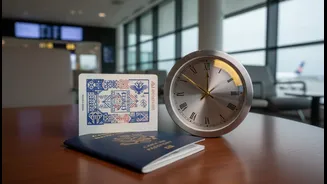
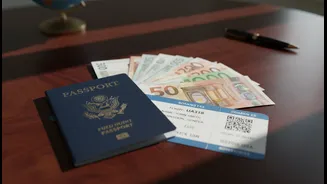
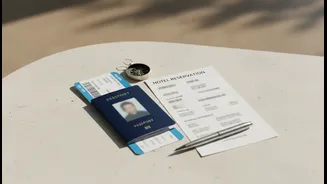
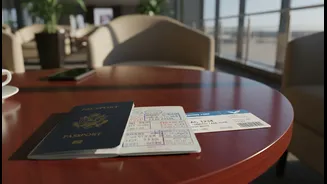
So, what does this mean for your next trip from India? For the vast majority of tourists, the news is largely positive. You can now enter Thailand for 30 days without needing a visa beforehand, a step up from the previous visa-on-arrival process. Since the average stay for Indian tourists is around seven days, the 30-day limit is more than sufficient. However, all travellers must now be more prepared. The new mandatory Thailand Digital Arrival Card (TDAC) must be completed online before you fly. Furthermore, immigration officers have the right to ask for proof of a return ticket, accommodation bookings, and sufficient funds for your stay—reportedly 20,000 Baht in cash. For the average holidaymaker, these rules simply formalise good travel practice. But for those who dreamed of a loosely regulated long-term stay on a shoestring budget, the Thai dream is becoming much more structured.