
Thinking Beyond the Windowsill
For years, the answer to gardening without a balcony was a lonely pot on the windowsill. Today, the approach is much more ambitious and integrated. The new trend is about transforming indoor spaces into productive, lush environments using methods that
are both beautiful and functional. It’s a mindset shift from having a few houseplants to creating a genuine garden inside your home. This involves using overlooked spaces, embracing new technology, and choosing plants that thrive indoors, providing not just decor but also fresh ingredients for your kitchen.
Go Vertical: Walls That Work
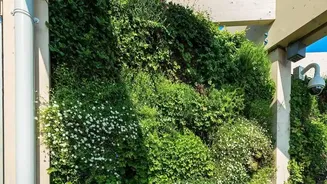
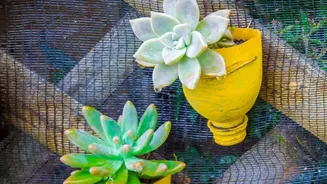
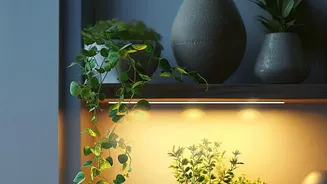
When you can’t build out, you build up. Vertical gardening is the cornerstone of the no-balcony garden, turning empty walls into living, breathing features. Simple, renter-friendly options include leaning ladder shelves or floor-to-ceiling tension poles with adjustable arms for pots, which use minimal floor space to hold multiple plants. For a more integrated look, wall-mounted planters, fabric pocket organisers, or even pegboard systems in the kitchen can create a stunning and practical herb garden. These systems keep counters clear while putting fresh basil, mint, and parsley within easy reach.
The Rise of Home Hydroponics
The idea of growing plants without soil might seem futuristic, but compact, user-friendly hydroponic systems are making it a reality for many apartment dwellers. Hydroponics involves growing plants in nutrient-rich water, which eliminates mess and often leads to faster growth. Modern systems, like the Gardyn or Lettuce Grow, are designed as sleek, self-contained towers that can grow up to 30 plants or more in just a few square feet. Many come with built-in, full-spectrum LED lights and automated watering schedules controlled by an app, making them surprisingly low-maintenance. These systems are perfect for growing leafy greens, herbs, and even strawberries right in your living room.
Choosing the Right Plants for the Job
Success in a no-balcony garden depends heavily on plant selection. Not all plants are suited for the unique conditions of an indoor vertical or hydroponic setup. For vertical wall gardens, lightweight plants with shallow root systems are ideal. Leafy greens like lettuce, spinach, and arugula are excellent choices, as you can harvest the outer leaves continually. For a kitchen herb garden, oregano and parsley are hardy and compact. If you want to grow something more substantial, look for 'patio' or 'determinate' varieties of cherry tomatoes, which are bred for small spaces. Many vining plants, such as sugar snap peas, can be trained up a small trellis attached to a wall planter.
Light, Water, and Essential Care
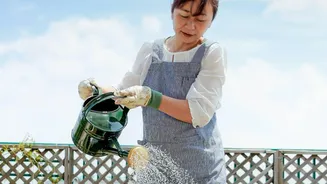
Three critical elements for any garden are light, water, and nutrients, and they require special attention indoors. Natural light is often limited, so supplementing with LED grow lights is crucial, especially for fruiting plants like tomatoes or peppers. Many modern vertical and hydroponic systems have these lights built-in. Watering needs to be managed carefully to avoid mess. Self-watering planters can be a great help, providing consistent moisture without the risk of over- or under-watering. For hydroponic systems, the nutrient solution needs to be checked and topped up periodically, but this is often a simple weekly task.