



The Allure of Looking Fit
Modern fitness culture often prioritizes aesthetics—visible abs, sculpted arms, and a lean physique. These goals can be powerful motivators, and achieving them can bring a sense of confidence and discipline. For many people, seeing visible changes in the mirror
is the first sign that their hard work is paying off, and it can be incredibly rewarding. This visual proof of success has become a cultural shorthand for health, but it's crucial to ask a deeper question: is the training that makes you look good the same training that helps you live well for decades?
When 'Gorgeous' and 'Healthy' Align
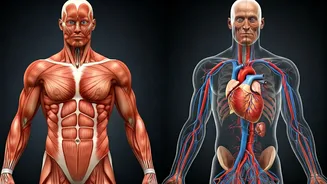
There's certainly a healthy overlap between aesthetic goals and longevity. The cornerstones of most aesthetic-focused plans—building muscle and reducing excess body fat—are also beneficial for long-term health. Maintaining muscle through strength training is one of the most important things you can do as you age. It boosts your metabolism, improves insulin sensitivity, supports hormonal health, and reduces stress on your joints. Similarly, having a healthy body composition lowers your risk for a host of metabolic diseases. When you train to look better, you are often moving in the same direction as training for longevity.
The Point of Divergence
The debate heats up when the pursuit of aesthetics becomes extreme. Training purely for looks can lead to high-volume, isolating exercises that neglect functional movement, balance, and coordination. To achieve very low body fat percentages, many people turn to extreme diets and excessive exercise, which can backfire. Severe calorie restriction can slow your metabolism, cause nutrient deficiencies, disrupt hormones, and lead to fatigue and irritability. It can even result in the loss of precious muscle mass. This approach can create a body that looks good in a photo but may lack the resilience and functional capacity for a long, active life.
What Science Says About Longevity Fitness
When scientists study what predicts a long and healthy life—what they call "healthspan"—they look at function, not just appearance. Three key markers consistently stand out: cardiorespiratory fitness (VO2 max), muscle mass, and overall strength. VO2 max, a measure of how efficiently your body uses oxygen during exercise, is considered one of the strongest predictors of lifespan. Higher levels are directly linked to lower mortality risk. Maintaining muscle mass is your defense against age-related muscle loss, a condition called sarcopenia, which can begin as early as your 30s. Finally, simple measures of strength, like grip strength, are surprisingly powerful predictors of future health and independence.
The Optimal Workout for a Long Life
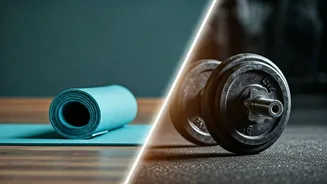
So, what's the ideal formula? Research increasingly points to a balanced, multi-faceted approach. A recent study found that the sweet spot for strength training is around 90-120 minutes per week. Doing more than that didn't provide additional life-extending benefits. The greatest reduction in mortality risk was seen in people who combined this amount of strength training with regular aerobic exercise. A structured routine that includes a mix of cardio, resistance training, and flexibility work seems to be most effective for attacking the deficits that accumulate with aging across multiple body systems.