





The Monsoon's Perfect Fungal Storm
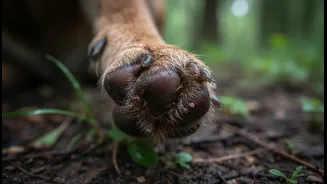
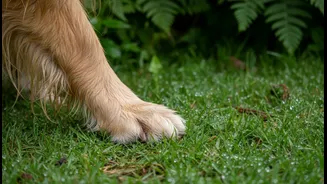
The Indian monsoon creates a perfect environment for fungi to multiply. High humidity, often over 80%, means your dog's coat and paws don't dry properly after a walk. This trapped moisture, especially in the warm, dark spaces between their toes and paw pads,
becomes an incubator for fungi like yeast (Malassezia). High grass exacerbates the problem by holding onto moisture and mud, ensuring your dog's paws remain wet for longer. For active breeds like Labradors, German Shepherds, and Beagles, whose love for the outdoors means more exposure, the risk is significantly higher. Their enthusiasm for splashing in puddles and running through fields directly exposes them to these thriving microorganisms.
Signs of a Fungal Paw Infection
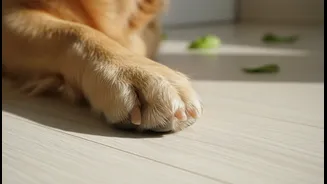
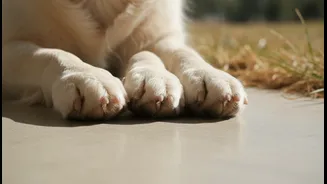
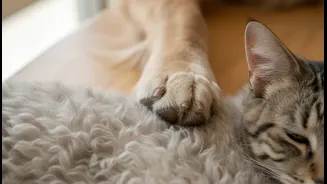
A fungal infection isn't always obvious at first glance. The most common sign is your dog persistently licking or chewing at their paws. This is their attempt to soothe the intense itchiness caused by the infection. As you inspect their paws, you may notice several key symptoms: redness and inflammation, especially between the toes; a distinct musty or 'corn chip' smell; greasy or scaly skin; and sometimes, brownish discolouration of the fur from the constant licking. In some cases, the paw pads may become swollen or sensitive to the touch, and your dog might start limping.
The Daily Post-Walk Paw Check
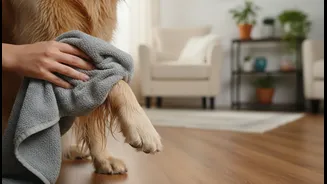
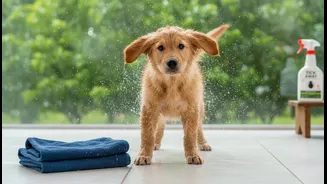
The single most effective preventive measure is a thorough paw check and cleaning routine after every single walk. This non-negotiable five-minute habit can prevent most monsoon-related paw problems. First, use a clean, absorbent towel to dry each paw, paying close attention to the crevices between the toes and pads where moisture hides. For long-haired breeds, a hairdryer on a low, cool setting can ensure the undercoat is completely dry. Once dry, visually inspect the paws for any cuts, thorns, redness, or swelling. Gently spread the toes to check the skin in between. Trimming the hair around the paw pads can also help, as it reduces the surface area for mud and water to cling to and improves airflow.
Proactive Steps for Prevention
Beyond daily checks, a few extra steps can bolster your dog's defences. Before heading out, applying a thin layer of a pet-safe paw balm or wax can create a protective barrier against wet surfaces. If your dog is particularly prone to infections, speak to your vet about using a preventative antifungal powder or spray on their paws after drying them. Regular grooming is also crucial; keeping nails trimmed prevents them from trapping debris and forcing the paw into an unnatural position. While it might seem counterintuitive, avoid over-bathing your dog, as this can strip the skin of its natural protective oils, making it more vulnerable to infections.
When to See Your Veterinarian
While diligent home care can prevent many issues, it's vital to know when professional help is needed. If you notice symptoms persisting for more than a day or two, it's time to call the vet. Signs that warrant an immediate visit include significant swelling that doesn't subside, open sores, any pus-like discharge, or if your dog is in visible pain and reluctant to walk. A veterinarian can perform a skin scraping or cytology to accurately identify the specific pathogen—be it fungal or a secondary bacterial infection—and prescribe the correct treatment, such as medicated shampoos, topical creams, or oral medications. Self-diagnosing and using human antifungal creams can be ineffective and potentially harmful if ingested.