



Not Your Grandfather's Space Race
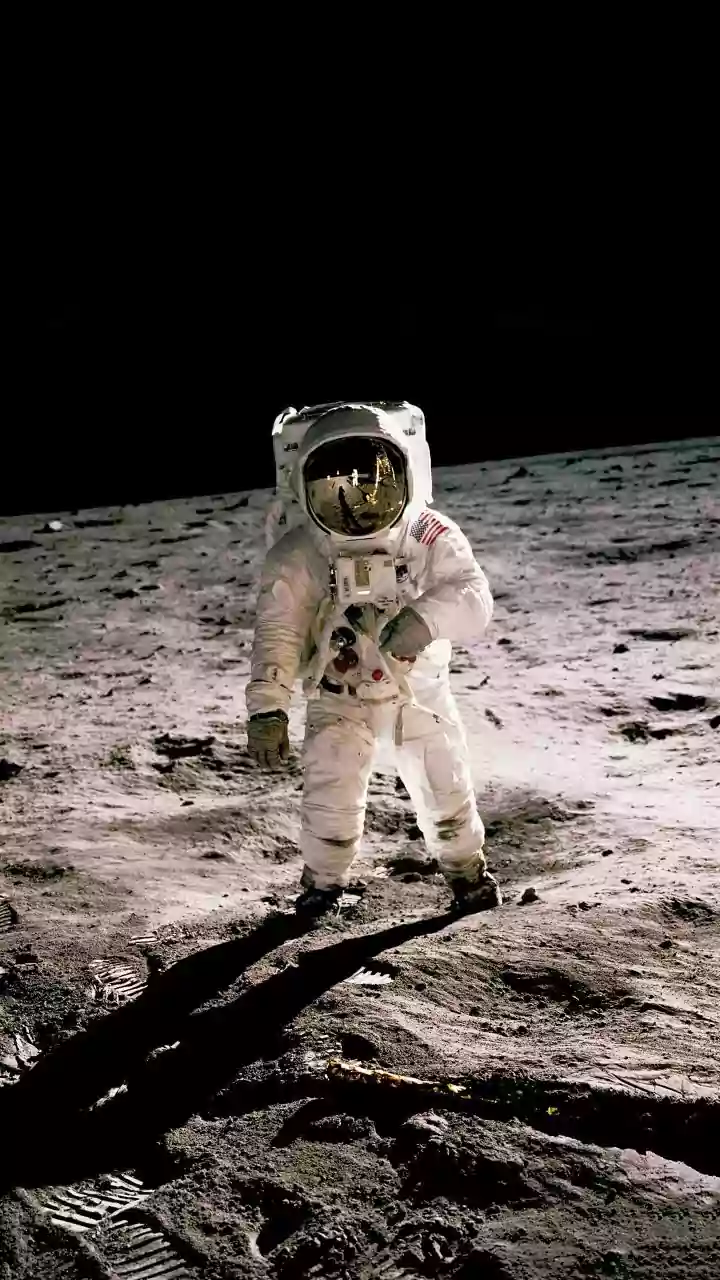
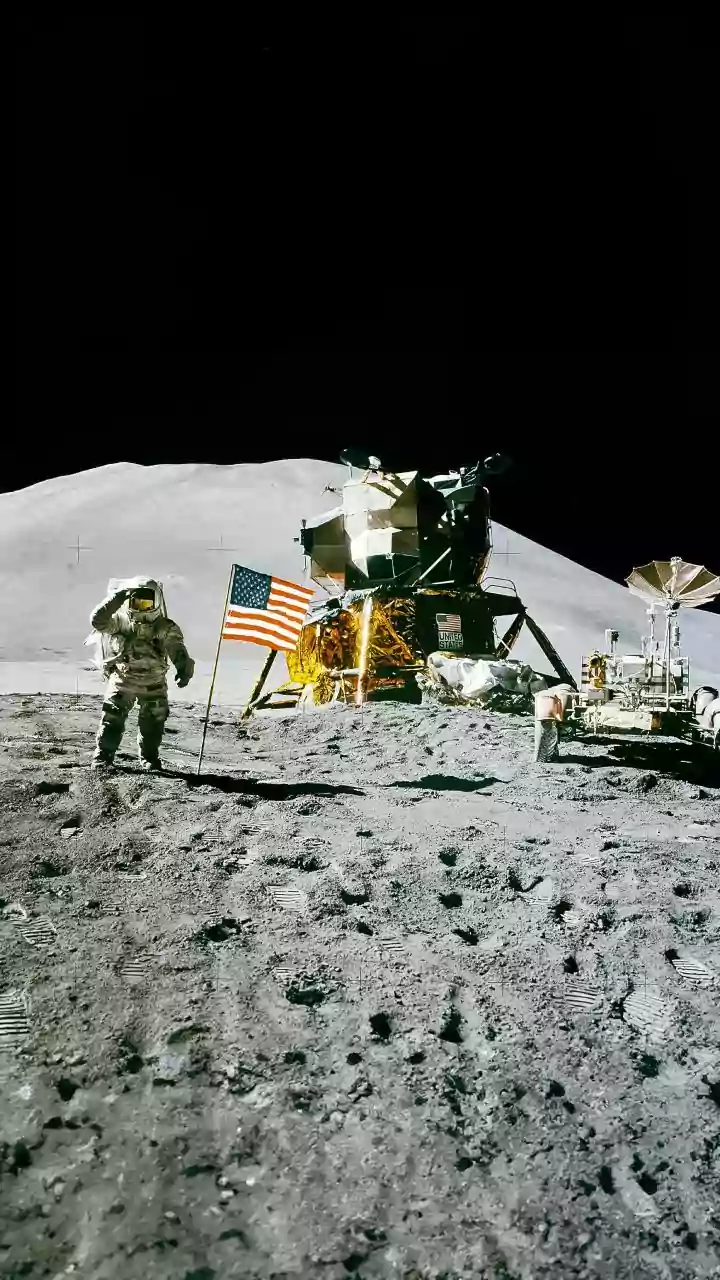
The original space race was a geopolitical duel fought in the vacuum of space, a proxy for the Cold War defined by two superpowers. Today, that bipolar world is gone. The new arena is multipolar and driven as much by profit as by national pride. Private
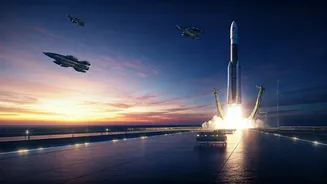
companies like SpaceX, Blue Origin, and Rocket Lab now launch more rockets than most countries, fundamentally changing the economics of reaching orbit. Where governments once held a monopoly on space access, they are now often customers of these private firms, creating a hybrid ecosystem of collaboration and competition. This shift has accelerated the pace of innovation, lowered costs, and expanded the goals from planting flags to building a sustainable off-world economy.
The New Titans: Nations and Corporations
The United States and China are the leading national players, but they are far from alone. NASA's Artemis program aims to establish a permanent human presence on the Moon, working closely with commercial partners. Its Artemis II mission, a crewed lunar flyby, was completed in April 2026, with a landing now targeted for 2028 on Artemis IV. China, meanwhile, has an ambitious, methodical program that achieved the world's first lunar far-side sample return in June 2024 and plans to land taikonauts by 2030, eventually building an international research station at the lunar south pole. Rising powers like India are also making their mark, becoming the fourth nation to demonstrate autonomous space docking and planning a series of missions, including its first human spaceflight (Gaganyaan) and a Venus orbiter. Driving much of this activity are commercial giants. SpaceX, with its reusable Falcon 9 and the development of the super heavy-lift Starship, dominates the launch market. Blue Origin is developing its New Glenn rocket and the Blue Moon lander for NASA, while companies like Rocket Lab and Sierra Space are building crucial infrastructure, from rockets to commercial space habitats.
Destination Moon, Mars, and a Low-Earth Orbit Economy
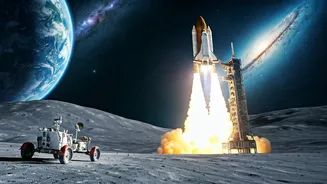
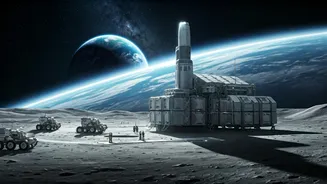
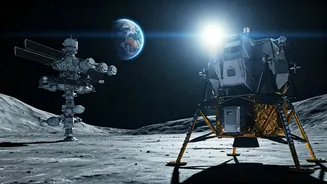
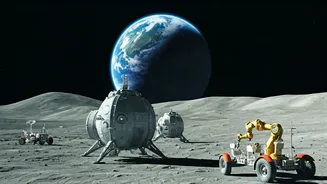
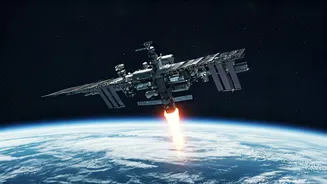
The goals of this new era extend far beyond prestige. The Moon is now viewed as a strategic outpost and a proving ground for deeper space missions. Nations and companies are targeting the lunar south pole, believed to be rich in water ice—a critical resource that could be converted into breathable air and rocket propellant. Both the US-led Artemis program and a rival China-Russia initiative envision lunar bases as stepping stones for eventual human missions to Mars. But much of the economic action is closer to home. The global space economy was valued at over $600 billion in 2023 and is projected to reach $1.8 trillion by 2035. This growth is fueled by the deployment of massive satellite constellations for internet service, like SpaceX's Starlink and Amazon's Project Kuiper, as well as an explosion in Earth observation services used for everything from climate monitoring to financial analytics. New sectors are emerging, including space tourism, in-orbit manufacturing, and the development of commercial space stations to succeed the aging International Space Station (ISS).
An Unwritten Rulebook for the High Frontier
This rapid commercialization and geopolitical competition are unfolding in a regulatory vacuum. The foundational Outer Space Treaty of 1967 was written for an era of state-led exploration and is ill-equipped to govern commercial resource extraction, debris mitigation, or potential military conflicts in orbit. As more actors launch more hardware, the risk of collisions and the proliferation of space debris grows. At the same time, space is increasingly seen as a critical domain for national security. The U.S., China, and Russia are all developing advanced counterspace capabilities, raising concerns about the weaponization of orbit. Navigating these challenges—establishing traffic management norms, agreeing on rules for mining celestial bodies, and preventing an arms race—is as crucial as engineering the rockets themselves. How these new rules are written will determine whether the next phase of space exploration is one of peaceful cooperation or escalating conflict.