




What Exactly is a Sodium-Ion Battery?
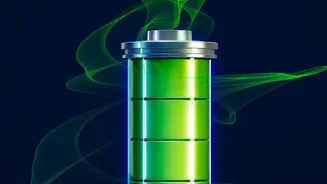
A sodium-ion battery functions in almost the exact same way as the lithium-ion batteries that power our smartphones and current electric vehicles. Both are rechargeable and rely on ions moving between a positive and negative electrode to store and release
energy. The key difference, as the name suggests, is the charge carrier: instead of lithium ions, these batteries use sodium ions (Na+). While lithium-ion technology has dominated for decades, research into sodium-ion batteries, which first began in the 1980s, has been revived due to concerns about the long-term availability and cost of lithium. This has positioned sodium-ion technology as a viable and compelling alternative for a new generation of energy storage.
The Cost Advantage: Abundant and Affordable
The primary driver behind the excitement for sodium-ion technology is its significant cost advantage. Sodium is the sixth most abundant element in the Earth's crust, found globally in sources like sea salt and soda ash. It is over 1,000 times more abundant than lithium, whose reserves are concentrated in just a handful of countries. This geographical concentration exposes lithium to supply chain disruptions and intense price volatility. In stark contrast, the raw material cost for sodium is dramatically lower and more stable. Furthermore, sodium-ion batteries can use inexpensive and plentiful materials like iron and manganese for their cathodes, avoiding the costly and controversial cobalt and nickel often used in lithium-ion cells. They can also use aluminum for current collectors on both ends, replacing the more expensive copper required in lithium-ion designs. This combination of cheaper, more accessible materials means sodium-ion batteries could be 30% to 40% cheaper to produce at scale than their lithium-ion counterparts.
Performance: A Question of Density
While sodium-ion excels on cost, it faces a trade-off in performance, primarily concerning energy density. Energy density is the amount of energy a battery can store for its size and weight. Currently, sodium-ion batteries offer a lower energy density (around 100-175 Wh/kg) compared to the more powerful lithium-ion versions (150-270 Wh/kg). This means a sodium-ion battery pack needs to be larger and heavier to provide the same range as a lithium-ion one, making it less ideal for high-performance, long-range EVs where a lightweight design is critical. However, sodium-ion batteries have other performance benefits. They demonstrate better thermal stability, making them safer and less prone to overheating. They also perform significantly better in cold weather and can be safely discharged to zero volts for transport, a state that damages lithium-ion cells. Some variants also show potential for very fast charging.
Who is Leading the Charge in India?
Several Indian companies are making significant strides to bring this technology to market, aligning with the "Make in India" initiative. Reliance Industries made a major move by acquiring UK-based sodium-ion pioneer Faradion for $135 million, with plans to establish a giga-scale manufacturing plant in India. This acquisition is seen as a strategic pivot to bypass the crowded lithium market and produce affordable batteries for the Indian EV sector. Other domestic players are also emerging. Pune-based KPIT Technologies has unveiled its own sodium-ion battery technology, which it claims can be up to 30% cheaper than LFP batteries. Meanwhile, startups like Indi Energy are developing innovative solutions using agricultural waste to create key battery components, further boosting sustainability. These efforts aim to build a robust domestic supply chain and reduce India's reliance on imported battery materials.
The Road Ahead for India's EV Market
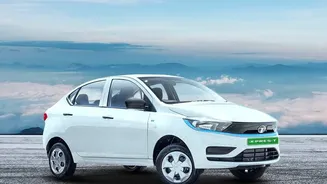
Sodium-ion technology is not likely to replace lithium-ion across the board. Instead, it is seen as a complementary technology, best suited for specific applications where its strengths shine. Due to the lower energy density, its most immediate and impactful application in India will likely be in smaller, cost-sensitive vehicles like two-wheelers, three-wheelers, and compact city cars, where extreme range is not a primary concern. Using these batteries could substantially lower the upfront cost of such EVs, potentially making them cheaper than their internal combustion engine equivalents even without subsidies. For long-range and premium EVs, manufacturers may adopt hybrid packs that combine lithium-ion cells for energy capacity with sodium-ion cells for fast charging and cost efficiency. While the technology is maturing rapidly, mass production is still in its early stages, and it will take time to build the manufacturing scale needed to realize the full cost benefits.