






The Grand Vision
Not long ago, the vision for Tokyo's future was one of boundless ambition. Planners and leaders imagined a city reborn, leveraging its global status to launch transformative projects. The most prominent of these was a potential bid for the 2036 Summer
Olympics, envisioned as a showcase of green technology and futuristic infrastructure. This "dream" wasn't just about sports; it was about cementing Tokyo's role as a leading global city in a new era. Plans hinted at carbon-negative operations, stunning new venues that would redefine architectural norms, and a complete revitalisation of the city’s waterfront areas. This narrative of progress was designed to inspire citizens and attract global investment, painting a picture of a city not just hosting an event, but building the world of tomorrow.
A Dose of Fiscal Reality
The dream has now collided with a harsh reality check. The ambitious, expensive vision is being significantly scaled back. Instead of a slate of brand-new, futuristic venues, any potential Olympic bid is now being reconfigured to rely heavily on existing facilities, including those built for the 1964 and the costly 2020 Games. The conversation has shifted from spectacle to sustainability and legacy. This new approach prioritises fiscal prudence over architectural grandeur, a clear signal that the era of blank-cheque mega-projects may be over. The public and political mood has shifted, with a growing consensus that the city's resources are better spent on pressing social and economic needs rather than on another costly global party.
The Financial Squeeze
Several factors are driving this new age of austerity. Japan's economy, while resilient, is navigating significant headwinds including a shrinking workforce, rising inflation, and substantial national debt. The government's 2026 budget, while large, is heavily focused on critical areas like green energy transition, defense, and social security for an aging population. Furthermore, there is a palpable sense of 'Games fatigue'. The 2020 Tokyo Olympics, postponed to 2021 and held under pandemic restrictions, were a financial strain that left many citizens questioning the value of such expenditures. Public opinion, a crucial factor in any Olympic bid, remains skeptical, with memories of cost overruns and budget controversies still fresh. These economic and social pressures have created a perfect storm, forcing officials to abandon lofty dreams for pragmatic, budget-conscious plans.
A New Model for Mega-Projects?
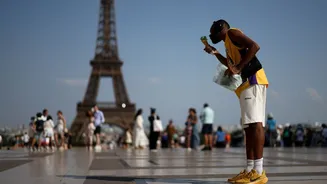
Tokyo's situation is not unique. Around the world, cities are reconsidering the cost-benefit analysis of hosting mega-events like the Olympics. The 'build it and they will come' model, which often leaves cities with debt and underused venues, is falling out of favour. The International Olympic Committee itself has encouraged more flexible and cost-effective bids, a departure from its past emphasis on lavishness. We see this trend in Paris 2024, which leaned heavily on existing venues to keep costs down. Ahmedabad's potential bid for 2036 also includes plans to use facilities across multiple cities to distribute the financial burden. Tokyo's pivot from a bespoke, high-cost dream to a more practical, legacy-focused reality could well be a blueprint for other global cities, signalling a global shift towards smarter, more sustainable, and fiscally responsible urban development.