



Prepare Your Entryway
The most effective way to manage rainy day messes is to stop them at the source. Designate one entrance as the official pet entry point, preferably one with hard flooring like tile or vinyl. Create a dedicated cleaning station here. Keep highly absorbent
microfiber towels, pet-friendly wipes, and a small bucket of water ready. Placing a textured, absorbent doormat or even a damp towel just inside the door can also help capture a surprising amount of mud and water before it gets tracked through the house. This simple setup ensures you have everything within arm's reach the moment you and your pet walk inside.
The Post-Walk Wipe-Down
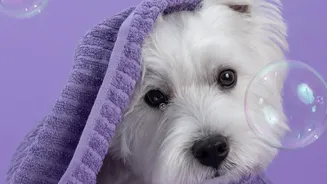
Once inside your designated cleaning area, create a consistent routine. First, remove any wet gear like a raincoat or harness and hang it to air-dry. Then, using a highly absorbent towel, start by blotting and squeezing your pet’s coat instead of rubbing aggressively, which can cause tangles and skin irritation. Work your way from their back and chest down to their belly and legs. Having a second dry towel on hand is useful if the first one becomes saturated. This immediate wipe-down is crucial for removing the bulk of moisture and dirt.
Mastering Paw Care
Paws are the primary culprits for muddy tracks and can also be a source of health issues if not cared for properly. After every walk, clean your pet's paws thoroughly. Wipe each paw with a towel, paying special attention to the areas between the toes where moisture and mud can get trapped. For particularly dirty paws, a paw washer or a quick dip in lukewarm water can be very effective. Keeping the fur between their paw pads trimmed short can also significantly reduce how much mud and debris they collect. Consistently damp paws can lead to skin irritation or fungal infections, so ensuring they are completely dry is essential for your pet's health.
Drying the Coat and Preventing Odours
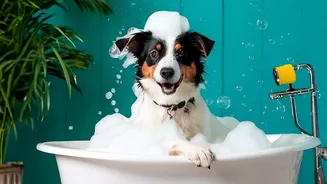
That infamous "wet dog smell" is caused by bacteria and yeast that thrive in damp fur. Thoroughly drying your pet's coat is key to preventing both the smell and potential skin infections like hot spots. For most dogs, a vigorous towel-dry is sufficient. For those with long or thick double coats, a pet-specific blow dryer on a low, cool setting can be a great tool to ensure the undercoat is fully dry. Never use a human hairdryer, as it can be too hot for their skin. Regular brushing, especially during the monsoon, also helps by removing loose hair and preventing mats that can trap moisture.
Keeping Floors and Furnishings Clean
Despite your best efforts, some mud and water will inevitably make it inside. Daily vacuuming or sweeping with a microfiber dust mop can help manage pet hair and dander that gets dislodged. When mopping, choose a pet-safe floor cleaner. Simple solutions like one part vinegar to one litre of water can be effective and safe for most sealed hard floors. For tougher stains or odours on carpets, a spray bottle with white vinegar can help neutralize smells. Ensure your pet's bedding is washed regularly in hot water, adding a cup of baking soda to help eliminate odours. Keeping their living space clean and dry helps prevent the growth of bacteria and fungi.
Health and Hygiene Reminders
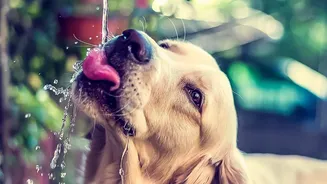
The dampness of the rainy season brings more than just mud. Puddles can contain harmful bacteria like Leptospirosis and Giardia, so discourage your pet from drinking from them. The constant moisture also makes pets more susceptible to skin and ear infections. Ensure your pet's ears are kept dry, especially for floppy-eared breeds. Regular grooming and keeping your pet's coat as dry as possible are your best defenses against monsoon-related health issues. Always provide fresh, clean drinking water indoors to reduce their temptation to drink from puddles.