







Beyond Price: The Value Equation
While competitive pricing remains a significant draw, the Indian consumer is increasingly looking for value over just the lowest price. This means product authenticity, clear information, and a fair price-to-value ratio are critical. Especially for the growing
base of shoppers from Tier-2 and Tier-3 cities, affordability is key, but not at the cost of quality or trust. Platforms that focus on a 'hyper-value' assortment of affordable products without compromising on reliability are gaining strong traction. The chase for the cheapest deal is being replaced by a search for dependable quality that makes sense for the money spent.
Convenience is King: Speed and Simplicity
In today's fast-paced world, convenience has become a non-negotiable expectation. Faster delivery, accurate shipping timelines, and easy returns are now considered basic requirements, not premium perks. The rise of 'quick commerce' for groceries and daily essentials highlights this demand for speed, with some platforms delivering in minutes. This need for speed extends to the user experience itself. A mobile-first design is crucial, as the vast majority of online purchases are made on smartphones. A simple, frictionless checkout process can have a bigger impact on conversions than pricing alone for India's smartphone-driven audience.
Payments, Perfected for India
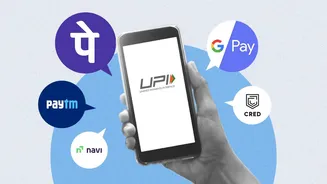
Offering the right payment methods is critical to winning over Indian consumers. Unified Payments Interface (UPI) has revolutionized digital payments and is now the leading choice for most online shoppers due to its ease and speed. Digital wallets like Paytm and PhonePe also remain popular. While there's a definite shift towards digital, Cash on Delivery (COD) still holds importance, especially for new shoppers or those in areas with lower digital payment penetration. A successful platform must offer a flexible mix: UPI for the digital-native, credit cards for higher-value purchases, and COD to build trust with new customers.
A Platform That Speaks Your Language
In a country with over 22 official languages and hundreds of dialects, language is a powerful tool for building trust. A significant and growing number of internet users, especially from non-metro areas, prefer to browse and shop in their regional language. Successful platforms are moving beyond English-only interfaces to offer vernacular support. This is not just about translation; it's about providing product descriptions, customer support, and payment instructions in a language the user understands and trusts. This localization makes the shopping experience more inclusive and reduces the anxiety for first-time online buyers.
Trust Is the Ultimate Currency
For many Indian consumers, especially those new to e-commerce, trust is paramount. This is built through multiple signals: authentic customer reviews, transparent pricing, and clear policies on returns and refunds. Shoppers want assurance that the product they see is the product they will get. Responsive and accessible customer service, including options like live chat, plays a huge role in building this confidence. Brands that are transparent and invest in building credibility often gain more long-term loyalty than those that simply compete on discounts.
The Influence of Social and Video Commerce
The way Indians discover products is changing. Social media platforms like Instagram and short-form video apps are becoming the new storefronts. Many consumers, particularly Gen Z, now discover products through influencer recommendations and shoppable video content rather than traditional search. 'Live commerce,' where hosts demonstrate products in real-time, and video tutorials are becoming major sales drivers. This trend blends entertainment with instant purchasing options, making shopping a more interactive and community-driven experience.