

The Body’s Essential Building Block
Protein is far more than just muscle fuel. Think of it as the body's fundamental construction material. Composed of amino acids, proteins are essential for building and repairing virtually everything in your system, including skin, bones, organs, and blood.
They are critical for producing enzymes that drive metabolic reactions and hormones that regulate bodily functions. Furthermore, a strong immune system relies on proteins to create antibodies that fight off infections and illnesses. Without adequate protein, processes like injury healing, hair growth, and maintaining stable energy levels are all compromised.
The Great Indian Protein Gap
Despite a rich culinary heritage, a significant portion of the Indian population isn't getting enough protein. Surveys have revealed that as many as 73% of urban Indians are protein-deficient, and over 90% are unaware of their daily protein requirements. The average protein intake in India is often below the recommended amount. The Indian Council of Medical Research (ICMR) suggests an intake of 0.8 to 1.0 grams of protein per kilogram of body weight for a healthy adult. However, many people consume closer to 0.6 grams per kilogram. This shortfall happens because many Indian diets are cereal-dominant, with rice and wheat providing a large percentage of daily calories but a lower quality and quantity of protein compared to other sources.
Who Is Most at Risk?
While protein deficiency is widespread, certain groups are more vulnerable. Children and adolescents need ample protein for growth and development. Pregnant and lactating women also have increased needs to support both their own health and that of their child. Perhaps most overlooked are the elderly. Seniors require more protein than younger adults—around 1.0 to 1.2 grams per kg of body weight—to combat age-related muscle loss (sarcopenia), maintain mobility, and support a robust immune system. Vegetarians and vegans must also be mindful, as it requires conscious effort to get sufficient protein from plant-based diets alone, though it is entirely possible with smart food combinations.
Finding Protein on the Indian Plate
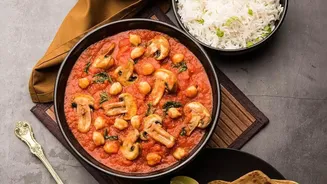
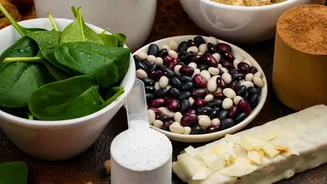
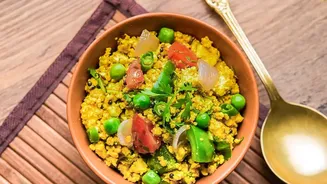
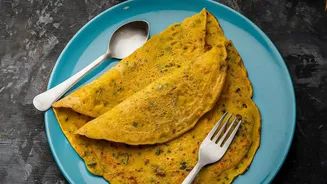
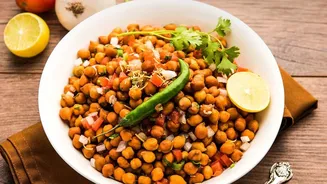
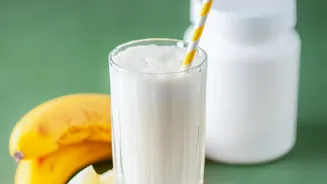
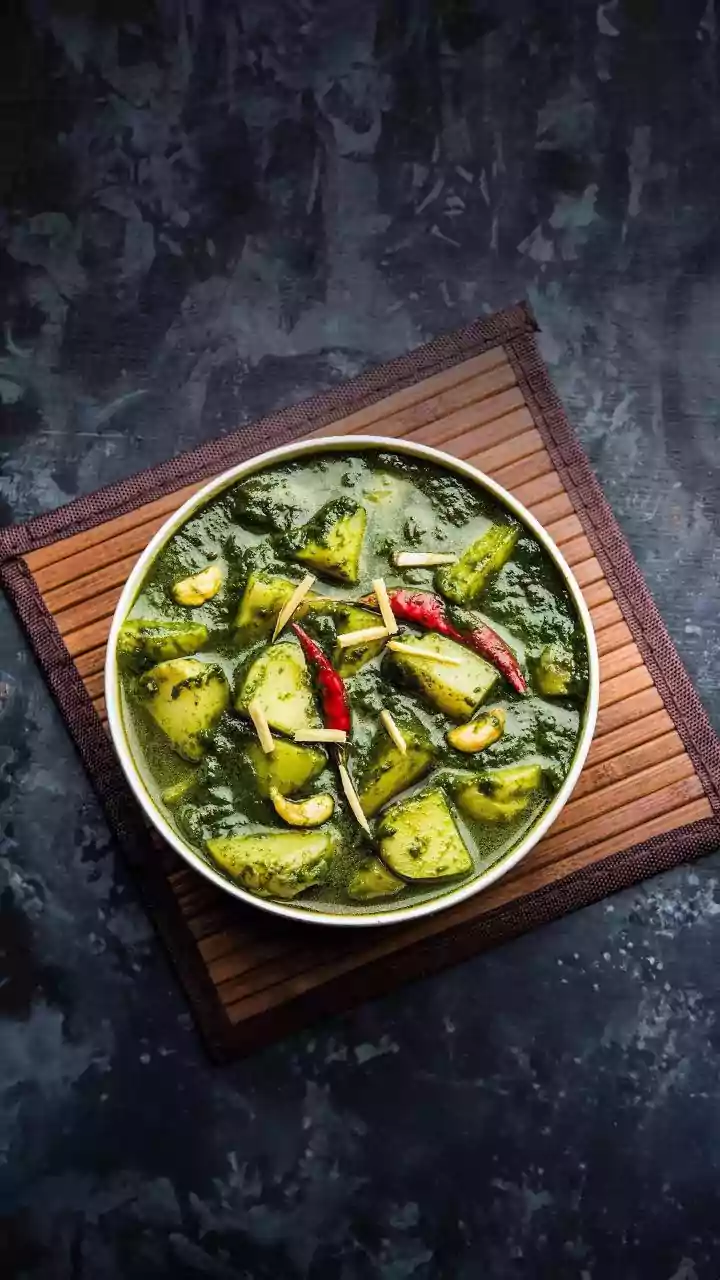
Boosting protein intake doesn’t require expensive supplements or a complete dietary overhaul. Many affordable and accessible foods are excellent sources. Lentils (dals) like moong, masoor, and chana are staples for a reason, providing significant protein. Dairy products such as curd (dahi), paneer, and milk are high-quality protein sources. For non-vegetarians, eggs are a cost-effective and complete protein. Soya chunks, often called a vegetarian's meat, are incredibly protein-dense and one of the most affordable options available. Other great sources include legumes like rajma and chole, and nuts and seeds like peanuts. The key is variety and ensuring a protein source is included in every meal.
A Simple Guide to Getting Enough
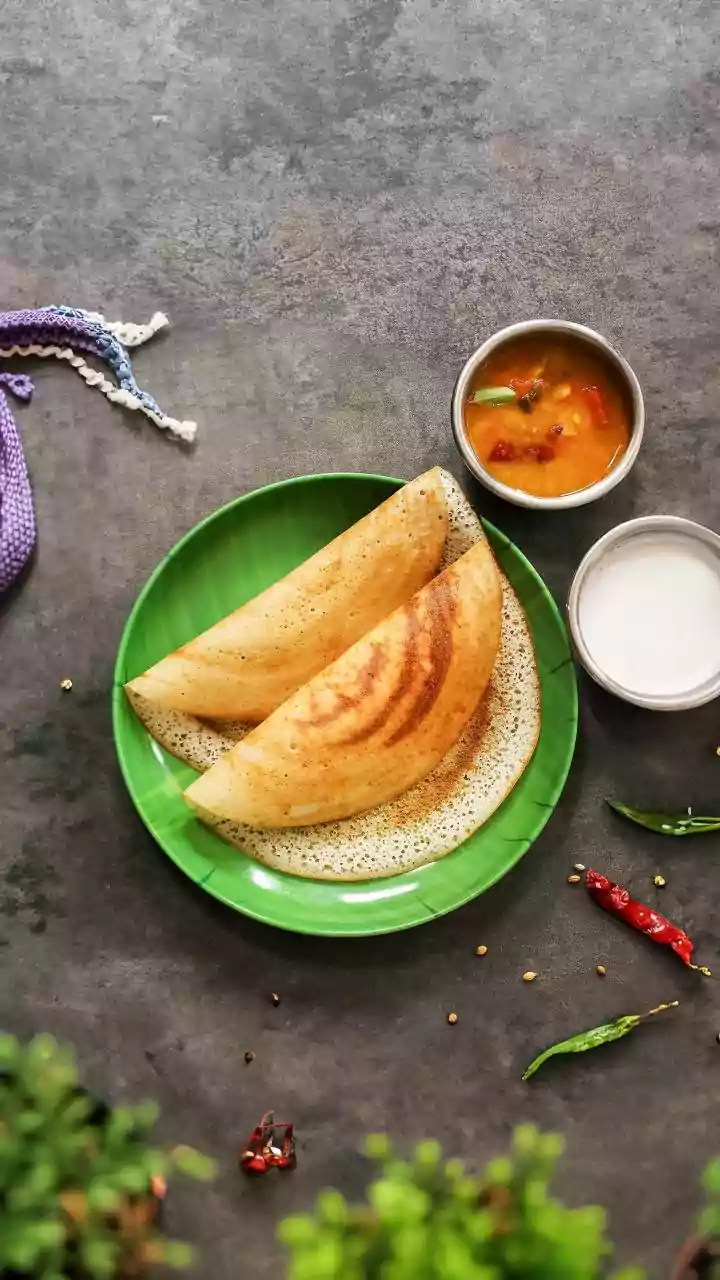
Calculating your needs is straightforward. For a sedentary adult, the ICMR recommends about 0.83g of protein per kilogram of body weight. So, a 65kg person would need approximately 54g of protein daily. However, a typical Indian meal of rice, dal, and a vegetable curry might only provide 18-21 grams of protein. To bridge this gap, simple additions can make a huge difference. Increasing the portion of dal, adding a bowl of curd, incorporating paneer or tofu into your sabzi, or snacking on roasted chana can significantly boost your daily total. Combining cereals with legumes, such as in dal-rice or roti with chana masala, creates a complete amino acid profile, enhancing the protein quality.