





The Allure of the 'Action Hero' Investor
When we picture a rich investor, our minds often conjure an image of a fast-talking Wall Street wizard, eyes glued to a dozen screens, buying and selling with split-second precision. They're betting big on a hot tech startup or a volatile cryptocurrency,
their fortunes made and lost in a day. It’s an exciting narrative, fueled by Hollywood and the breathless financial news cycle that hypes the 'next big thing.' This image, however, is a profound misconception. While some people do get rich through high-risk, high-frequency trading, it’s the exception, not the rule. For the vast majority of wealthy individuals and families, wealth isn’t built through frantic action but through a diametrically opposed principle. The real habit is far more boring, and infinitely more powerful.
The One Habit: Systematic Patience
The single habit that unites the most successful long-term investors is systematic patience. It’s not just about 'being patient' in a vague sense; it’s an active, disciplined, and strategic approach to doing almost nothing. It is the religious commitment to a long-term plan, executed consistently, regardless of the market’s daily tantrums.
Warren Buffett, arguably the most famous investor of our time, perfectly embodies this. He famously said, 'Our favorite holding period is forever.' This isn’t just a folksy aphorism; it’s the core of his strategy. Successful investors don’t see stocks as flashing ticker symbols; they see them as ownership stakes in real businesses. You wouldn't sell your successful coffee shop because of a bad weather forecast, and they don't sell their stake in a great company because of a gloomy jobs report. This mindset shift from 'stock renter' to 'business owner' is the entire game.
How Patience Manifests in Practice
Systematic patience isn't passive. It’s a discipline that informs every decision.
First, it means ignoring the noise. The financial media is engineered to generate clicks and provoke action. Breaking news, analyst upgrades, and political drama are all designed to make you feel like you need to do something. The disciplined investor knows that 99% of this noise is irrelevant to their 10-, 20-, or 30-year plan. They read, they stay informed, but they don't react.
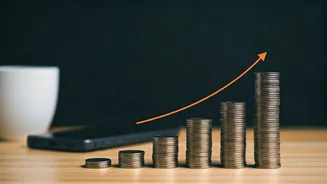
Second, it means embracing boredom. Compounding interest, what Albert Einstein supposedly called the 'eighth wonder of the world,' works its magic over decades, not days. The process of regularly investing in a diversified portfolio of quality assets and letting it grow is incredibly dull. There are no thrilling stories to tell at a cocktail party. The real work is having the fortitude to stick with the boring plan when your neighbor is bragging about their gains on a meme stock.
Finally, it means buying when others are fearful. Patience allows investors to see market downturns not as a crisis, but as an opportunity. When panic selling grips the market, those with a long-term perspective see it for what it is: a sale. They are able to buy great assets at a discount, knowing that over time, the market has always recovered.
You Can't Buy It, You Must Build It
This habit isn’t for sale. You can't download an app for it. It has to be cultivated. For most everyday investors, the best way to practice systematic patience is to automate it. Setting up automatic monthly contributions into a low-cost, diversified index fund is the perfect embodiment of this principle.
This strategy, known as dollar-cost averaging, forces you to be disciplined. You buy more shares when prices are low and fewer when they are high, removing emotion from the equation. You aren’t trying to time the market; you are simply committing to being in the market over a long period of time. It’s the most effective way for a regular person to behave like a sophisticated, wealthy investor.