





Why Small Spaces are Damp Magnets
Living in a smaller home means everyday activities concentrate more moisture into a smaller volume of air. A single person produces about 1.5 litres of water vapour a day just by breathing and perspiring. Add cooking, showering, and drying clothes, and a typical
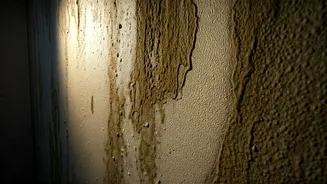
household can generate up to 100 litres of moisture a week. In a compact apartment, there's simply less air to absorb it, leading to higher relative humidity. Modern, energy-efficient homes are often well-sealed to prevent heat loss, but this also traps moist air inside. Older buildings might have different issues, like a lack of a proper damp-proof course or failing brickwork that allows moisture to penetrate. The result is often condensation on windows and walls, a musty smell, and an environment where mould can thrive.
The Sneaky Health Risks of Stale Air
That damp, musty smell is more than just unpleasant; it's a sign of potential health risks. Damp environments are breeding grounds for mould and dust mites. Exposure to mould spores can trigger a range of allergic reactions, including sneezing, runny noses, skin rashes, and red eyes. For people with asthma, it can provoke more frequent and severe attacks. The World Health Organization and other health bodies have established a clear link between indoor dampness and respiratory problems, including coughs, wheezing, and an increased risk of infections. Babies, children, the elderly, and those with weakened immune systems are particularly vulnerable. Beyond the physical effects, living in a damp, stuffy space can also impact mental well-being, contributing to feelings of discomfort and stress.
Let It Breathe: Simple Ventilation Wins
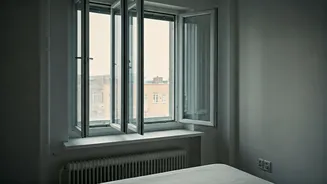
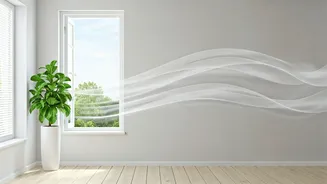
The most powerful weapon against damp is ventilation. The goal is simple: get the stale, moist air out and the fresh, dry air in. One of the most effective methods is to create a cross-draught by opening windows on opposite sides of your home for 5-15 minutes each day, a practice known in Germany as 'Stosslüften' or 'impact ventilation'. If you only have windows on one side, you can use fans to help circulate air; place one fan facing in near a window and another pointing out of a doorway. Make it a habit to use extractor fans in your kitchen and bathroom every time you cook, shower or bathe, and leave them running for 10-15 minutes afterwards to clear the steam. Also, check that furniture isn't pushed right up against walls, as leaving a small gap allows air to circulate and prevents cold spots where condensation can form.
Tackling Moisture at the Source
While ventilation removes moist air, you can also reduce how much moisture is created in the first place. These small habits can make a big difference. When cooking, always put lids on your pots and pans to reduce the amount of steam released. After a shower, use a squeegee to wipe down the tiles and glass to remove excess water. The biggest culprit for indoor moisture is often drying wet laundry. If possible, dry clothes outside. If you must dry them indoors, do it in one room with a window open or a dehumidifier running, and keep the door closed to prevent the moisture from spreading throughout your home.
Tools of the Trade: Dehumidifiers and More
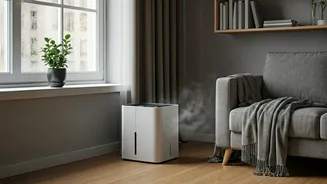
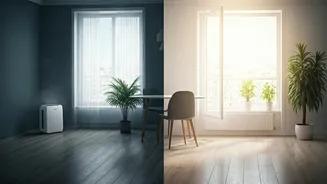
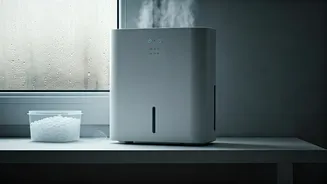
For homes in humid climates like many parts of India, especially during monsoon season, or for spaces with persistent damp issues, a dehumidifier can be a game-changer. These appliances draw excess moisture out of the air, collecting it as water. This not only makes the air feel more comfortable but also helps protect your belongings from mould and damp-related damage. There are two main types: refrigerant (or compressor) models, which are best for warmer, humid conditions, and desiccant models. For Indian conditions, a refrigerant model is generally the most effective choice. Many modern dehumidifiers have a 'laundry mode' to help dry clothes indoors and an auto-shutoff function for when the tank is full. They are a powerful tool for maintaining a healthy indoor humidity level, generally recommended to be between 40-60%.