





What Exactly Is 'Premium Fast-Casual'?
Think of it as the happy medium of the restaurant world. Premium fast-casual, or 'fine casual', bridges the gap between fast-food chains (QSRs) and full-service casual dining. [17, 18] It takes the speed and convenience from the former and combines it with
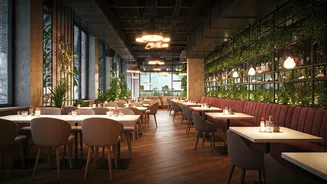
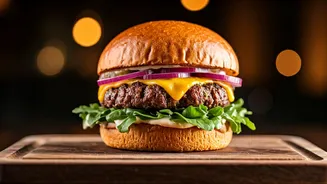
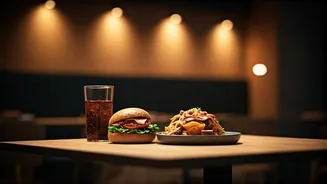
the higher-quality ingredients, sophisticated menus, and better ambiance of the latter. [13, 15] Unlike a typical fast-food joint, these establishments focus on fresh, often locally sourced, made-to-order meals. [17] The service is limited—you'll likely order at a counter or via a QR code—but the environment is trendy and comfortable, a clear step-up from plastic trays and fluorescent lighting. [13, 15] The price reflects this elevated offering, costing more than a burger and fries but less than a three-course meal at a traditional restaurant. [15, 23]
A Recipe for the Modern Indian Metropolis
This dining model seems tailor-made for the rhythms of modern Indian city life. [2] The key drivers are a potent mix of economic and social shifts. Rising disposable incomes and a growing number of dual-income households mean more money is spent on dining out. [4, 8] Simultaneously, busy urban lifestyles demand convenience and speed. [3, 8] The Indian consumer, particularly millennials and Gen Z, is more globally exposed and discerning than ever. They aren’t just looking for a meal; they want an experience. [2] This demographic values health, freshness, and quality ingredients, and they are willing to pay a moderate premium for it. [5, 11] The desire for new and international cuisines, from Korean to modern European, also fuels the trend, with fast-casual restaurants offering an accessible entry point to these flavours. [2, 21]
The Instagram Factor: Dining as an Experience
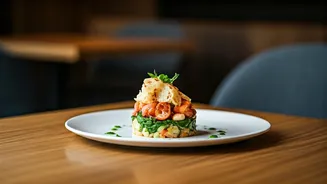
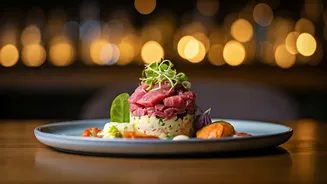
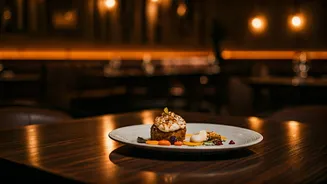
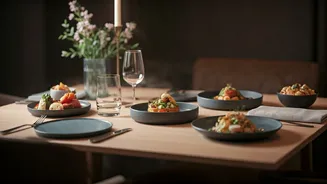
In the age of social media, a meal is often a shareable moment, and premium fast-casual outlets are designed with this in mind. The emphasis on trendy, aesthetically pleasing interiors and artful food presentation makes them highly 'Instagrammable'. [20] This creates a powerful, organic marketing loop where customers become promoters. [2] The experience extends beyond the food to include the overall vibe—the music, the decor, and the branding all contribute to a feeling of affordable luxury. [15] This focus on creating a holistic and engaging environment helps justify the higher price point and builds brand loyalty in a competitive market. [6] Restaurants are actively investing in immersive atmospheres, knowing that today's diner wants more than just food; they want a memorable occasion. [11, 20]
The Brands Leading the Charge
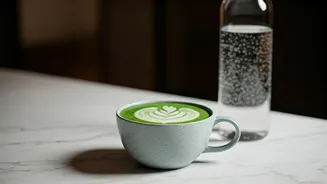
While the Indian food service market is still dominated by quick-service giants and independent restaurants, a distinct premium fast-casual segment is rapidly emerging. [3, 14] Homegrown chains are making a significant mark by combining global formats with local tastes. Brands like Chaayos, which elevated the simple cup of chai into a modern cafe experience, fit this mould. [22] Others, like Wow! Momo, took a beloved street food and gave it a branded, multi-variant spin suitable for mall food courts and high streets. [19, 22] Even international players are adapting. The rise of specialized cuisine concepts, such as pan-Asian bowl restaurants, sushi bars, and dessert cafes, also falls under this umbrella, offering crafted, specific culinary experiences that are quick, fresh, and modern. [21]
The Road Ahead: Convenience Meets Quality
The growth of premium fast-casual signifies a fundamental shift in India's urban dining culture. [2] It reflects a consumer who is short on time but unwilling to compromise on quality. The rise of digital ordering and delivery platforms has further accelerated this trend, bringing higher-quality meals to homes and offices with unprecedented ease. [3, 10] As consumers continue to seek out healthier, more interesting, and ethically sourced food, the demand for this category is only expected to grow. [12, 20] This format successfully occupies the sweet spot between the affordability of fast food and the experience of casual dining, a niche that is proving to be not just profitable but essential for the modern Indian diner.