
The Problem with Perfect Recipes
In the age of glossy food blogs and perfectly styled social media feeds, the recipe has become king. We are led to believe that with a precise list of ingredients and a step-by-step guide, anyone can create a masterpiece. Yet, this rigid approach often
creates more anxiety than joy. It fosters a dependency that leaves a cook helpless when a specific herb isn't available, or when their stove runs hotter than the recipe developer's. Following a recipe perfectly might result in one good meal, but it doesn't necessarily make you a good cook. It’s like following a map to a single destination; you arrive, but you learn very little about how to navigate the city on your own. This method can discourage experimentation and lead to frustration, turning what should be a creative act into a stressful test with a pass-fail grade.
From Following to 'Fixing'
So, what is the alternative? It’s shifting the focus from recipes to techniques. Instead of memorising one specific dal recipe, imagine understanding the core technique of a 'tadka'—the blooming of spices in hot oil—which is the foundation for hundreds of Indian dishes. 'Fixing a meal' is about this very adaptability. It means opening the fridge, seeing leftover vegetables and some paneer, and having the confidence to create something delicious because you understand the fundamentals of flavour and cooking methods. It's about knowing how to balance salty, sour, sweet, and spicy. It’s knowing that sautéing onions slowly builds a sweet base, or that a splash of acid at the end can brighten an entire dish. This is intuitive cooking, and it’s a skill that gives you the freedom to cook something great with whatever you have on hand.
The Wisdom of 'Andaaz'
For generations, this is how cooking has been taught in many Indian households. There were no digital scales or measuring spoons. Instead, there was 'andaaz'—a beautiful concept that combines estimation, intuition, and personal style. Our grandmothers and mothers cooked by feel, by smell, and by tasting. They knew from the sound of sizzling mustard seeds when to add the next ingredient. This deep, sensory knowledge wasn’t written down; it was absorbed through observation and practice. Reclaiming this approach doesn't mean abandoning recipes entirely. Recipes are wonderful for inspiration and for learning new cuisines. But the ultimate goal of food education should be to empower cooks to eventually move beyond them, using their own 'andaaz' to make a dish their own.
Building Lifelong Kitchen Confidence
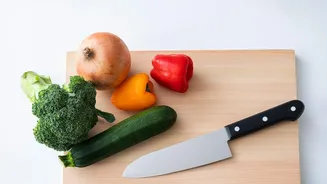
Learning technique over recipes builds true, lasting confidence in the kitchen. When you master a skill—whether it’s proper knife work, controlling heat, or creating a balanced sauce—it becomes a tool in your culinary toolbox that you can use forever. This approach encourages resourcefulness, helping to reduce food waste because you’re more likely to use the ingredients you have rather than rushing out to buy a specific item for a single recipe. It transforms cooking from a rigid, paint-by-numbers activity into a dynamic and creative process. You start to see ingredients not as a fixed shopping list, but as a palette of possibilities. This is the difference between being a recipe follower and a true home cook.