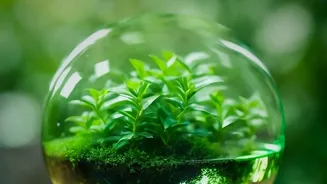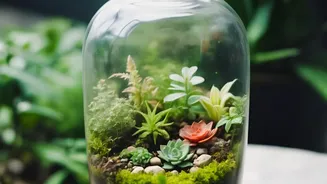


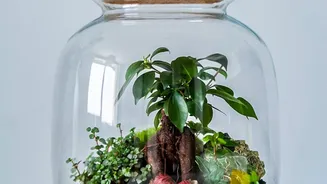

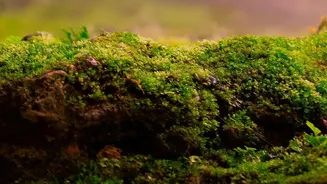
Looking to bring a touch of green into your home but short on space and sunlight? An indoor moss garden is the perfect solution. These miniature ecosystems thrive in small containers with indirect light, offering a serene slice of nature.
The Allure of an Indoor Moss Garden
Unlike many houseplants
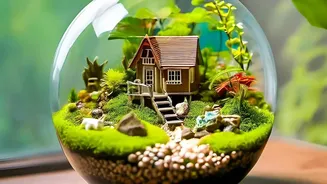
that demand bright sun and regular feeding, moss is wonderfully low-maintenance. These non-flowering plants don't have true roots; instead, they absorb moisture and nutrients through their leaves, which is why they thrive in humid, shaded environments. This makes them perfectly suited for apartments, offices, or any room that doesn't get direct sunlight. A moss garden, often called a mossarium, is a self-contained world in a jar, bringing the calm, green essence of a forest floor into your home decor. Their slow growth and soft texture add a sense of peace and stillness to any space.
Choosing the Right Moss
There are thousands of moss species, but a few are particularly well-suited for indoor containers. For beginners, Sheet Moss (Hypnum species) is an excellent starting point as it creates a lush, flat carpet and is quite forgiving. Cushion Moss (Leucobryum glaucum), also called Pincushion Moss, forms dense, round mounds that add beautiful texture and a classic forest look. For a slightly different aesthetic, Mood Moss (Dicranum scoparium) grows in dense clumps with wavy leaves that resemble windswept grasslands. You can often source these from local garden centres or purchase them online from specialty suppliers, which ensures they are cleaned and pest-free.
Gathering Your Supplies
Creating your own moss garden is simple and requires only a few key materials. First, you'll need a clear container, preferably made of glass, ceramic, or stone. A glass jar with a lid, a bowl, or a cloche will work perfectly. Next, you’ll create layers for drainage and filtration. You'll need small pebbles or gravel for the bottom layer, a thin layer of activated charcoal to keep the environment fresh, and a substrate layer. While moss can grow on many surfaces, a soil mix of peat moss, perlite, and compost provides a great base. Finally, a spray bottle for misting is essential.
Step-by-Step Assembly
Building your mossarium is like creating a miniature landscape. Start by washing your container thoroughly. Add a one-inch layer of small pebbles to the bottom for drainage. On top of the pebbles, add a thin layer of activated charcoal to filter impurities and prevent odours. Next, add a layer of your moistened potting mix, shaping it to create gentle slopes for a more natural look. Now for the creative part: gently press your chosen moss onto the soil surface, arranging different types to create texture and visual interest. You can also add small stones, twigs, or other decorative elements to complete your scene.
Finding the Perfect Spot and Ongoing Care
The key to a thriving moss garden is 'indirect light'. Direct sunlight, especially through glass, can quickly overheat and scorch the moss, causing it to turn brown. A spot near a north facing window, on a shelf away from direct sun, or in a room with filtered light is ideal. Maintenance is minimal. The primary task is maintaining humidity. For open containers, you'll need to mist the moss every two to three days with distilled or rainwater, as tap water can contain minerals that harm moss over time. If you're using a closed container, it will create its own water cycle and may only need a light misting every few weeks or even months. If you see too much condensation, simply open the lid for an hour or so to allow for some air circulation and prevent mold.
Troubleshooting Common Issues
Even these hardy plants can face occasional issues. If your moss turns brown and dry, it's likely getting too much light or not enough moisture. Move it to a shadier spot and increase your misting frequency. Conversely, if you notice mold or a swampy smell, there's too much moisture and not enough airflow. For a closed terrarium, leave the lid off for a day to let it dry out a bit. Always remove any dead leaves or debris promptly to prevent decay and fungal growth.