

A Return to Ancient Grains
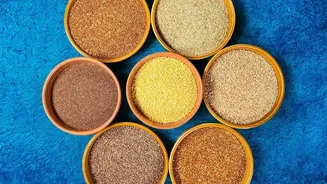
For generations, millets were a staple across India before refined wheat and rice became dominant. Now, a growing wellness trend and a desire for nutrient-dense foods are bringing them back into the spotlight. These ancient grains are not just hardy crops
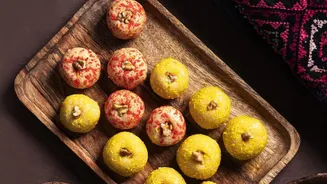
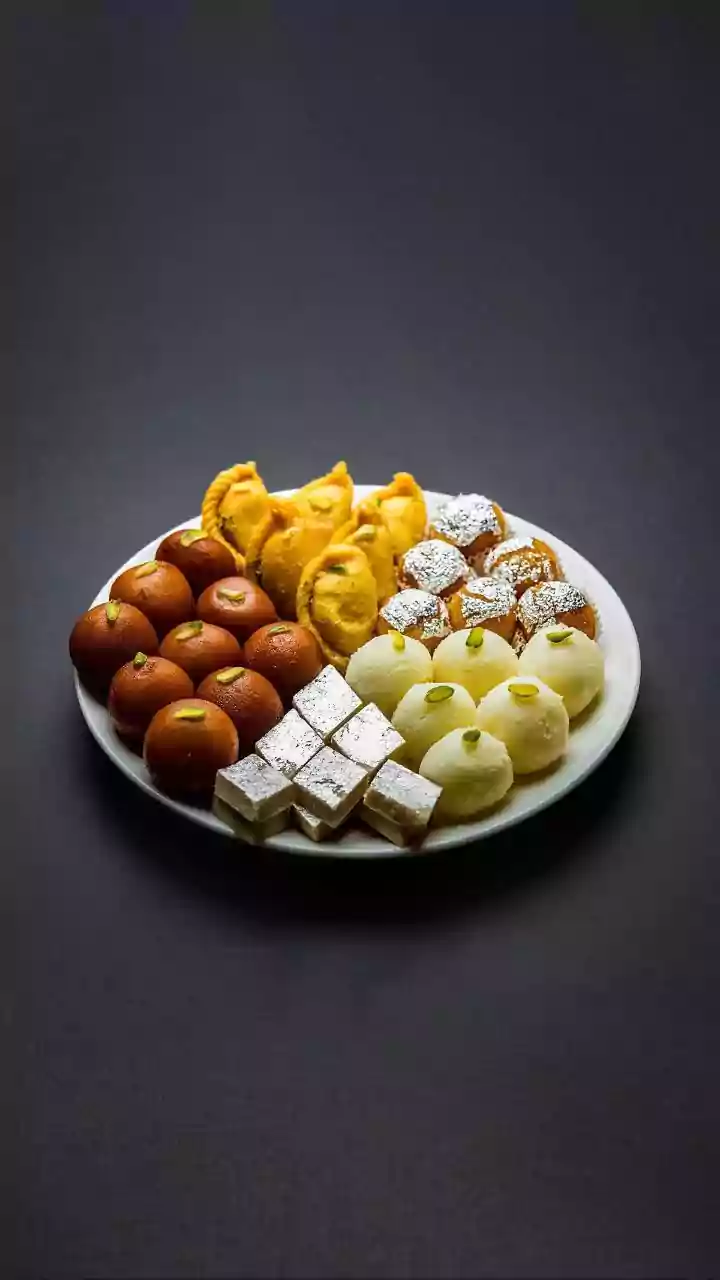
that are good for the environment; they are nutritional powerhouses packed with fibre, protein, vitamins, and minerals. This makes them a perfect ingredient to revamp traditional sweets, offering a healthier way to celebrate without compromising on the joy of festive indulgence. The shift is not about replacement, but a thoughtful enhancement of cherished recipes.
Ragi: The Calcium and Iron Hero
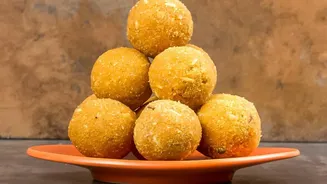
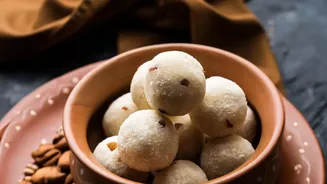
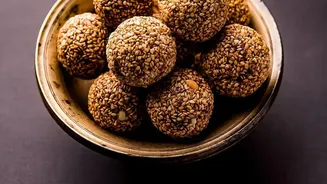
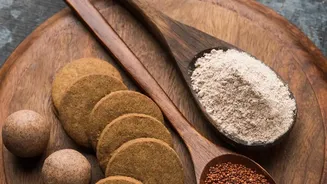
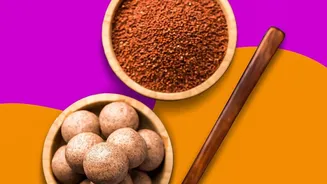
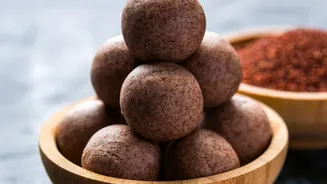
Ragi, or finger millet, is renowned for its impressive nutritional profile. It is one of the best non-dairy sources of calcium, crucial for bone health, and is also rich in iron, which helps combat anaemia. Its high dietary fibre content aids in digestion and promotes a feeling of fullness, which can help in weight management. For sweets, ragi's earthy flavour pairs beautifully with jaggery, ghee, and cardamom. It is popularly used to make delicious and crumbly ladoos, dense halwas, and even fillings for modaks, offering a nutrient-packed treat that provides sustained energy.
Bajra: The Fibre and Magnesium Powerhouse
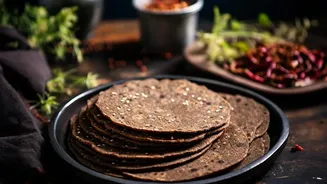
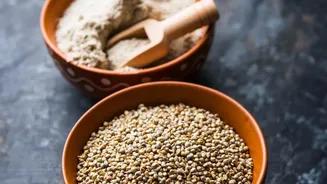
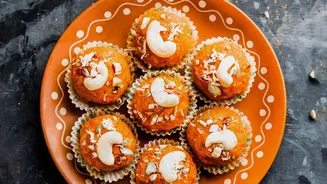
Bajra, or pearl millet, is a warming grain often consumed in winter but its benefits are year-round. It is an excellent source of dietary fibre, containing both soluble and insoluble types that support good gut health. Bajra is also rich in essential minerals like magnesium, which is important for nerve function and energy production, and iron. Its slightly nutty flavour makes it a wonderful base for sweets like barfis, halwas, and ladoos. When roasted in ghee and sweetened with jaggery, bajra flour creates desserts that are not only flavourful but also gluten-free and filling.
Jowar: The Gentle, Gluten-Free Grain
Jowar, also known as sorghum, is a versatile, gluten-free millet prized for being gentle on the digestive system. It boasts a high fibre content that aids digestion and helps manage blood sugar levels due to its low glycemic index. Jowar is also a good source of protein and antioxidants. Its mild flavour allows it to be easily incorporated into a variety of sweets. Jowar flour can be used to make everything from barfis and halwas to cookies and pancakes. This makes it an excellent choice for those with gluten sensitivities or anyone looking for a lighter, healthier alternative to refined flour in their festive preparations.
How to Make the Switch
Incorporating millets into your sweet-making doesn't have to be complicated. If you're new to these flours, a good starting point is to substitute a portion, say 25-30%, of the refined flour in your recipe with a millet flour. Ragi, bajra, and jowar flours have unique textures and flavours, so experimenting is key. For example, bajra has a nutty taste, while jowar is milder. Since millet flours are gluten-free, they can sometimes result in a denser texture, but this is often desirable in Indian sweets like ladoos and barfis. Using natural sweeteners like jaggery or palm sugar complements the earthy notes of millets and adds its own set of minerals, making the final treat even more wholesome.