




The Unmatched Beauty of Kinnaur
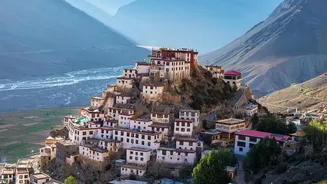
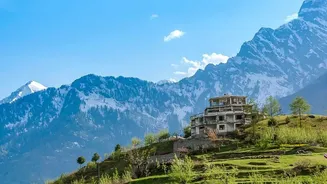
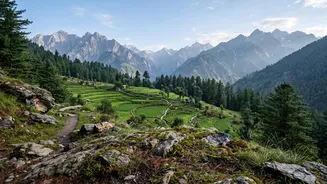
Before diving into the 'how', it's important to understand the 'why'. Sangla, nestled in the Baspa Valley, and Kalpa, famous for its direct view of the sacred Kinner Kailash range, are jewels of the Kinnaur district. Unlike commercialised hill stations,
this region offers a glimpse into traditional Kinnauri culture, with ancient monasteries, intricate wooden temples, and villages that seem frozen in time. The journey itself, along the winding Sutlej River, is an adventure. However, the very remoteness that preserves this charm is also what makes preparation so crucial.
Navigating Treacherous Roads
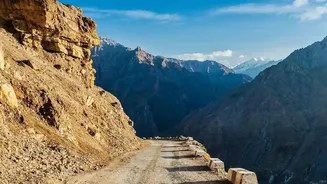
The primary route to Sangla and Kalpa is the Hindustan-Tibet Highway (NH-05), a road carved into mountainsides. While scenic, it's a challenging drive. The journey from Shimla can take a full day, often stretched by narrow sections, rough patches, and the ever-present risk of landslides, especially during the monsoon season (July to September). Hiring a local driver with experience on these roads is highly recommended. Ensure your vehicle is in excellent condition and be prepared for potential delays. A flexible itinerary with buffer days is not a luxury here; it's a necessity.
Respecting the High Altitude
Both Sangla (around 8,900 ft) and Kalpa (around 9,711 ft) are at high altitudes where the air is thinner. This puts travellers at risk of Acute Mountain Sickness (AMS). Symptoms can range from mild headaches, dizziness, and nausea to more severe, life-threatening conditions. The key to prevention is gradual acclimatisation. Plan your itinerary to ascend slowly, spending a night at a lower altitude like Sarahan or Rampur before heading to Sangla or Kalpa. Stay hydrated, avoid alcohol for the first few days, and don't overexert yourself upon arrival. If symptoms of AMS appear, do not ascend further.
Packing for All Seasons
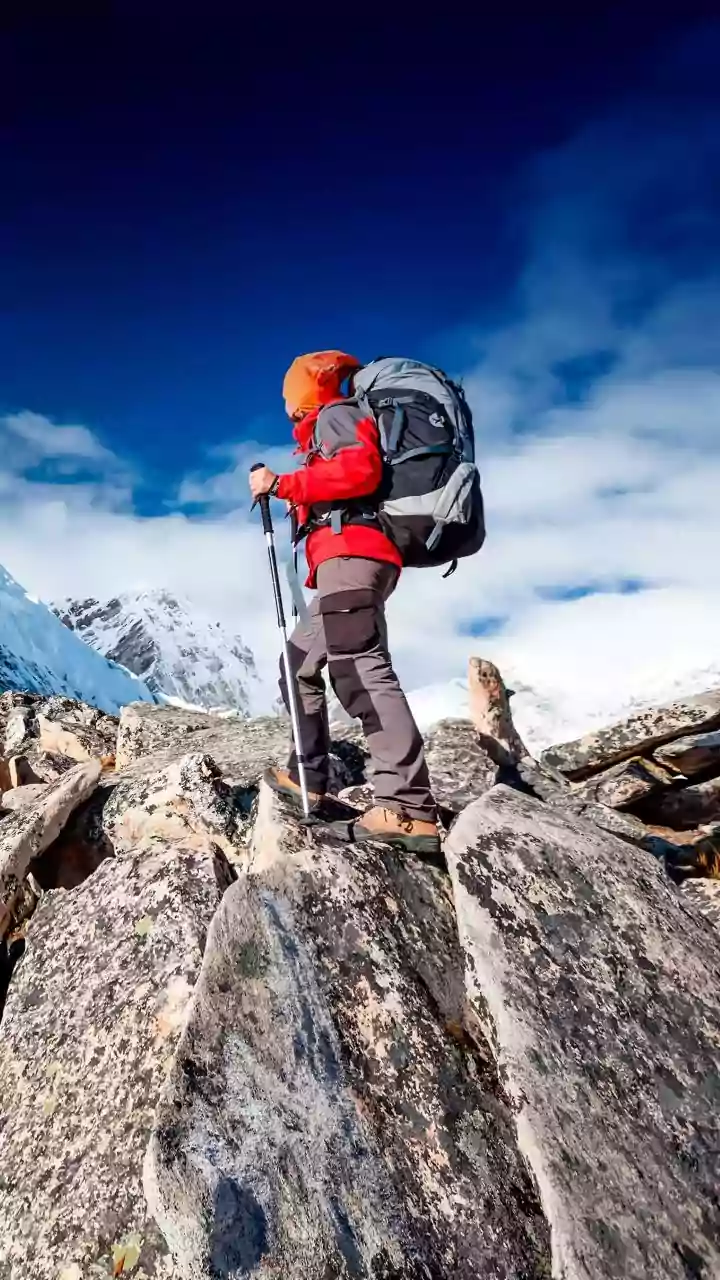
The weather in the Himalayas is notoriously unpredictable. Even in summer (April-June), when days are pleasant and sunny, temperatures can drop significantly at night. The golden rule is to pack in layers. Essential items include thermal wear, fleece jackets, and a windproof outer layer. Sunscreen with a high SPF, sunglasses, and a cap are non-negotiable, as the UV rays at high altitude are harsh. Sturdy, comfortable walking shoes are a must. Also, carry a basic first-aid kit with medications for headache, nausea, and any personal prescriptions.
Connectivity and Cash
Don't expect reliable mobile networks or internet access. While Kalpa and Sangla have some connectivity, it's often sporadic. BSNL is generally the most reliable service provider in these remote areas. It's wise to download offline maps before you start your journey. Similarly, ATMs are few and far between, with the last reliable ones often in Reckong Peo, the district headquarters. They can be out of cash, so it’s crucial to carry enough currency to cover your expenses for accommodation, food, and transport for several days.
Permits and Documentation
For Indian citizens, a valid government-issued photo ID is sufficient for travel to Sangla and Kalpa. However, foreign nationals need to obtain a Protected Area Permit (PAP) to travel to areas beyond Jangi, towards Spiti. While a permit is not required for Kalpa, Sangla, or Chitkul, it's essential to be aware of these regulations if you plan to extend your journey. Always carry multiple photocopies of your ID and other relevant documents.