
A Return to Earthen Roots
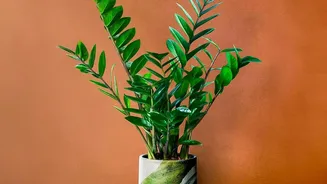
The resurgence of clay, terracotta, and ceramics in home decor is impossible to ignore. Once relegated to garden planters and traditional kitchens, these materials are now taking centre stage in urban living rooms, bedrooms, and even minimalist workspaces.
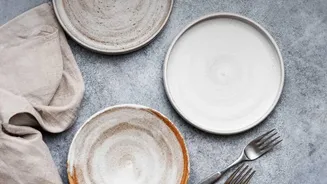
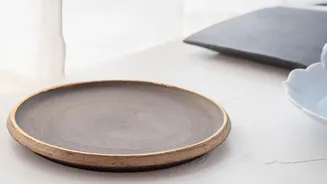
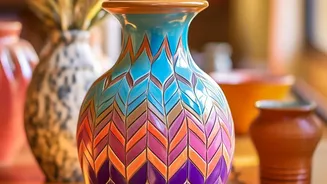
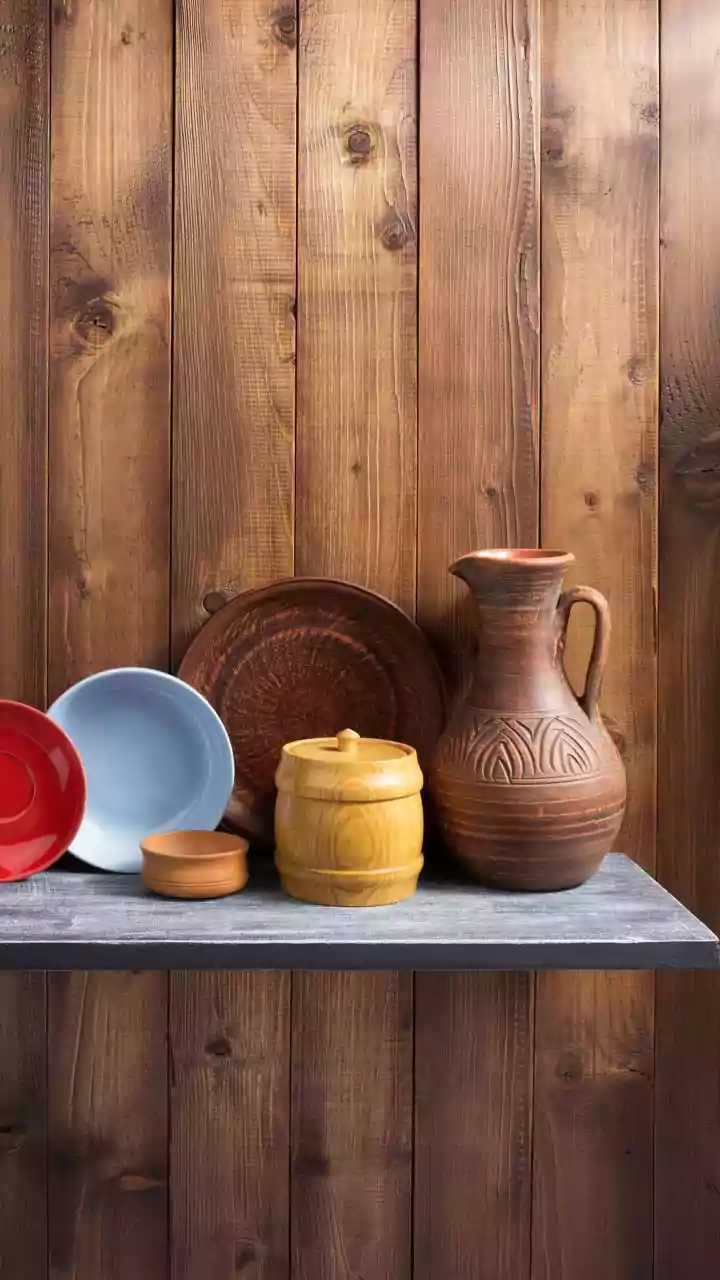
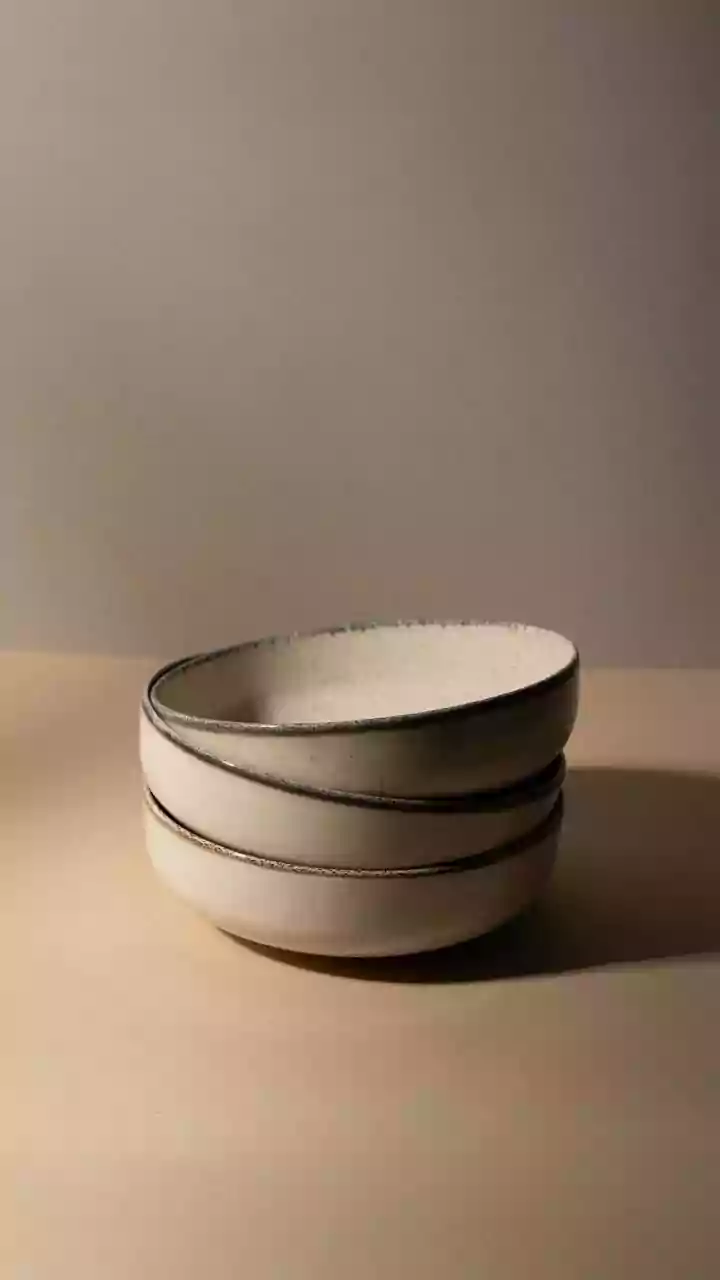
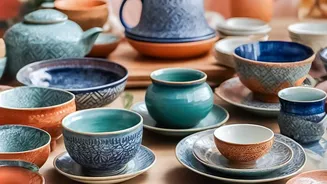
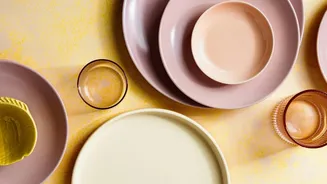
The trend encompasses everything from sculptural vases with organic, curved shapes to matte-finish tableware, terracotta-toned lampshades, and decorative trinket dishes. It marks a significant departure from the glossy, uniform, and often synthetic materials that have dominated interior design for years. This is not just about bringing plants indoors; it’s about embracing the raw, tactile, and warm qualities of 'baked earth' in every facet of our living spaces.
The Anti-Plastic Mindset
A key driver behind this trend is a conscious rejection of plastic. For Gen Z, sustainability isn't just a buzzword; it's a core value that influences their purchasing decisions. As awareness grows around the environmental impact of plastics, younger decorators are actively seeking alternatives that are natural and biodegradable. Clay is an abundant, natural material with a production process that is far less energy-intensive than that of plastics. This move towards clay is part of a larger zero-waste and conscious consumption movement. Choosing a handcrafted terracotta pot over a plastic one is a small but meaningful act of rebellion against a throwaway culture, reflecting a desire for products that are both beautiful and kind to the planet.
Authenticity Over Perfection
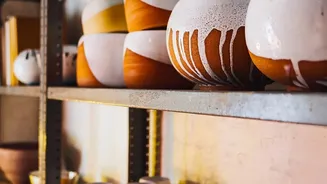
In a world saturated with mass-produced perfection and digital filters, Gen Z craves authenticity. Handcrafted clay items, with their subtle imperfections, unique textures, and variations in glaze, offer a powerful antidote to sameness. Each piece tells a story of its creation, connecting the owner to the artisan in a way a factory-made object cannot. This generation is moving away from the pristine, showroom look and towards what is sometimes called 'curated chaos'—spaces filled with unique, personality-driven objects. The imperfect, one-of-a-kind nature of handmade pottery fits perfectly into this ethos, turning a home into a personal sanctuary rather than just a collection of trendy items.
Modern Heirlooms and DIY Culture
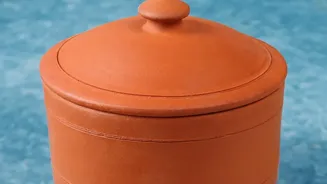
This trend also connects deeply with India's rich heritage of pottery. For young Indians, incorporating a traditional matka or a set of kulhars into a modern apartment is a way of honouring their roots while creating a contemporary aesthetic. Artisans are also innovating, blending traditional techniques with modern designs that appeal to a global audience. Alongside this appreciation for craftsmanship, there's a thriving DIY culture. Social media platforms are filled with tutorials on how to create unique decor pieces using air-dry or polymer clay. This hands-on approach allows for ultimate personalisation, enabling decorators to create their own 'heirlooms' and further reject the passive consumption of mass-market goods.
Styling with Earthy Tones
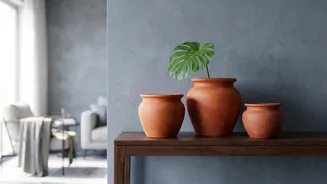
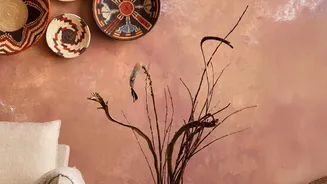
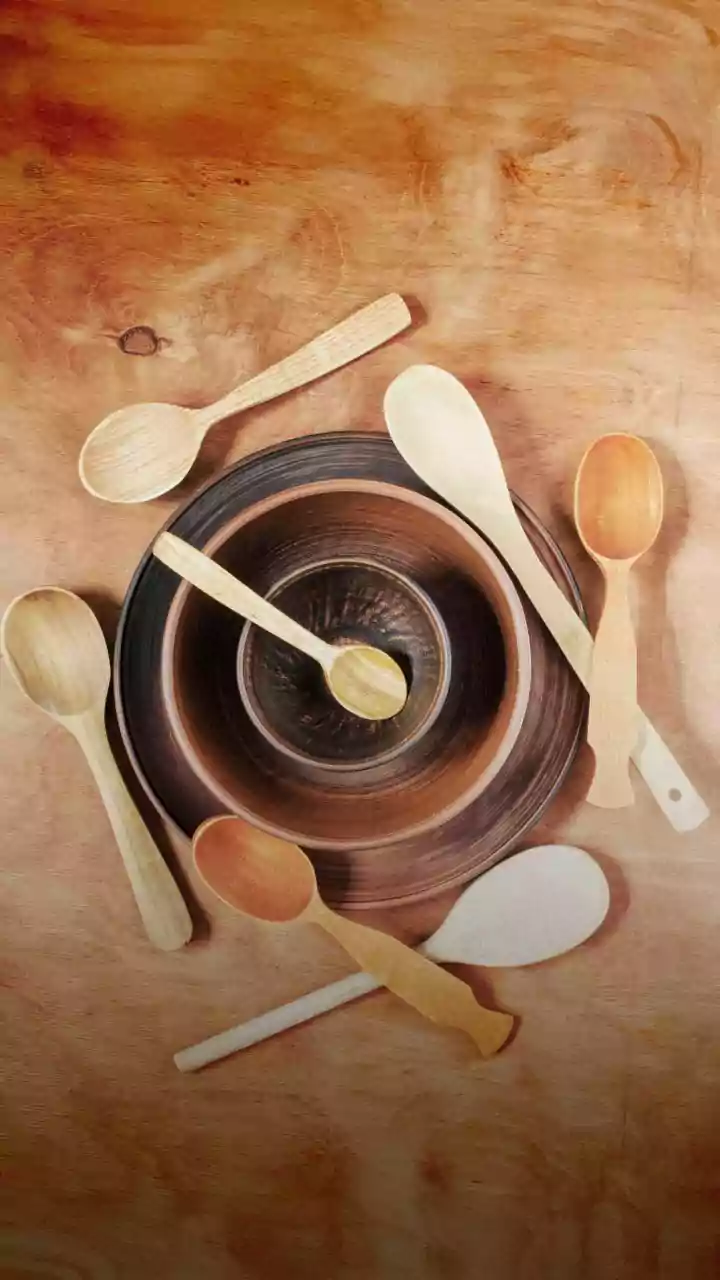
Integrating clay into a modern home is all about balance. The warm, earthy tones of terracotta—ranging from soft peach to deep ochre—serve as a 'warm neutral' that can ground a space without overwhelming it. These shades pair beautifully with the neutral backdrops, such as off-white or beige walls, that are popular in contemporary design, making the rustic colour pop. The key is to create contrast. The raw texture of a clay vase looks striking against a sleek metal table or a soft linen sofa. Designers suggest mixing terracotta with other natural materials like wood, jute, and handwoven textiles to create a cohesive and layered look that feels both timeless and deeply personal.