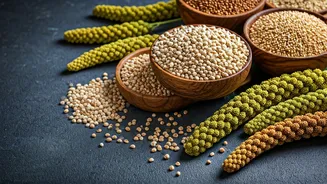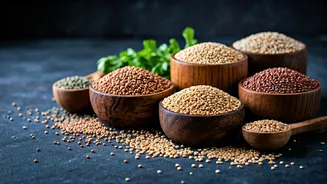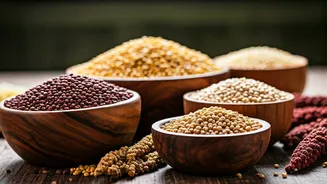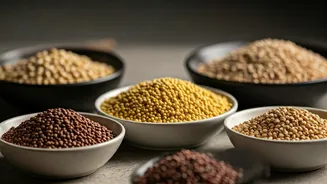



The Modern Comeback of an Ancient Grain
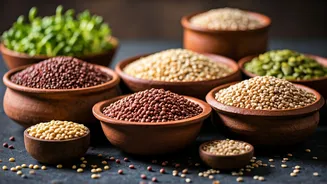
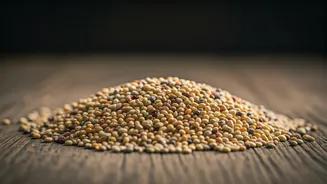
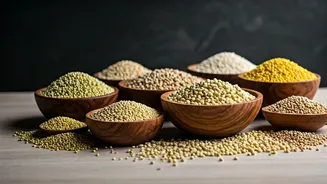
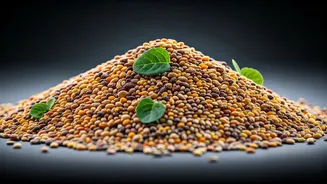
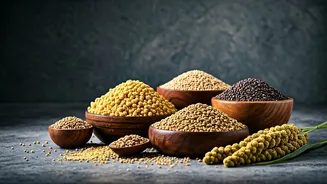
For centuries, millets like jowar, bajra, and ragi were everyday foods in Indian households before slowly being replaced by the convenience of rice and wheat. [2] However, a powerful shift is underway. Sparked by the UN's declaration of 2023 as the International
Year of Millets, these grains are experiencing a remarkable revival. [11] This renewed interest is more than just nostalgia; it's a deliberate return to traditional food wisdom, driven by a collective desire for healthier, more balanced lifestyles. [2, 3] Consumers are increasingly seeking out foods that are not only good for them but also for the planet, and millets, being climate-resilient crops that require less water, fit the bill perfectly. [3, 20]
A Nutritional Powerhouse on Your Plate
The primary driver behind the millet trend is their incredible nutritional profile. These grains are gluten-free, making them an excellent choice for individuals with gluten sensitivity. [6] They are packed with dietary fibre, which aids digestion, promotes a feeling of fullness, and helps in weight management. [4, 5] Millets also have a low glycemic index, meaning they release energy slowly and help regulate blood sugar levels, a significant benefit for managing conditions like diabetes. [3, 10] Furthermore, different millets offer unique benefits: Ragi is a fantastic source of calcium, crucial for bone health, while others are rich in iron, magnesium, and essential antioxidants that boost immunity. [3, 5]
Beyond Roti and Khichdi
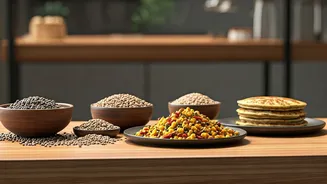
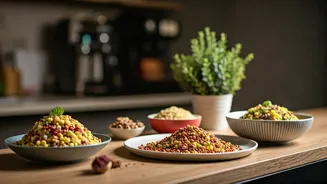
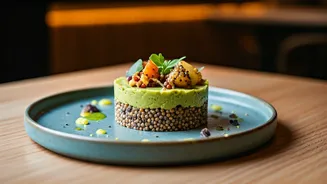
Forget the misconception that millets are only for making simple rotis or porridge. The modern food landscape has creatively embraced these versatile grains. [25] Urban cafes and innovative home cooks are transforming millets into an exciting array of dishes. [19] You can now find everything from fluffy ragi idlis and crispy jowar dosas to millet-based pastas, pizzas, and burger buns. [21, 8] They are being used in hearty salads, flavourful stir-fries, and even decadent desserts like cookies, cakes, and kheer. [17, 21] This culinary flexibility allows people to easily incorporate millets into their diets without sacrificing taste or variety. [8]
From Startups to Supermarkets
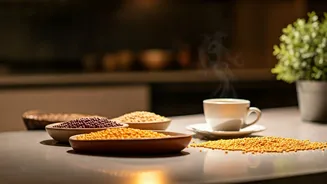
The millet movement is supported by a burgeoning ecosystem of startups and food brands dedicated to making them accessible and convenient. [20, 27] These companies are offering a wide range of ready-to-cook mixes, breakfast cereals, snacks, and even millet-based beverages. [27, 28] This innovation means that even those with the busiest lifestyles can enjoy the benefits of millets without the lengthy preparation times once associated with them. [2] Specialised millet cafes have also emerged in cities, offering entire menus dedicated to creative and healthy millet dishes. [19, 29] This mainstream availability, from online stores to local supermarkets, shows that millets are no longer a niche health food but a staple for the modern, conscious consumer. [20]
Easy Ways to Get Started
Ready to join the millet trend? Starting is simpler than you think. Begin by making small swaps. Try replacing a portion of wheat flour with ragi or jowar flour when making rotis. Use millet flour in your baking for nutrient-dense cookies or bread. [17] You can also substitute rice with cooked foxtail or barnyard millet in dishes like pulao, khichdi, or even a simple side for your curries. [17] Soaking the grains for a few hours before cooking can improve their texture and digestibility. [5] As you get more comfortable, you can explore the distinct flavours and textures of different millets, from the nutty taste of bajra to the earthy notes of ragi.