



A Rich History in Every Thread
Before decorating, it helps to understand what makes Batik special. Originating over a thousand years ago, primarily in Java, Indonesia, Batik is an art of wax-resist dyeing. Artisans use a pen-like tool called a canting to draw intricate patterns with
hot wax. The fabric is then dyed, and the wax resists the color, revealing the design once it’s removed. This meticulous process means every hand-drawn piece is unique. UNESCO even recognized Indonesian Batik as a Masterpiece of the Oral and Intangible Heritage of Humanity in 2009. Traditionally, certain patterns were reserved for royalty or special ceremonies, with motifs symbolizing everything from prosperity to resilience.
Start Small with Accent Pieces
If you're new to incorporating such a bold pattern, start with small accents. This is the easiest way to add a touch of ethnic charm without committing to a large overhaul. Think about swapping your solid-colored cushion covers for ones with vibrant Batik patterns. A single Batik table runner can become an instant focal point on a dining table or console. Another simple yet effective idea is to frame a beautiful piece of Batik fabric as wall art. This treats the textile like the piece of art it is and can add a sophisticated, cultural touch to a gallery wall or a quiet corner.
Make a Bold Statement
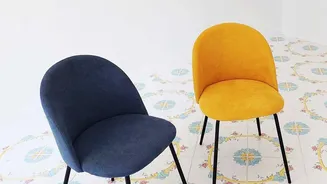
For those ready to embrace Batik more fully, consider making a bolder statement. Upholstering a single piece of furniture, like a wingback chair or an ottoman, in a stunning Batik fabric can create a show-stopping focal point that bridges traditional art with contemporary furniture design. Batik curtains can also add drama and texture to a room, especially when sunlight filters through the patterns. In a hallway or a small powder room, Batik-inspired wallpaper can turn a simple space into a jewel box. The key is to let the Batik piece be the hero and keep the surrounding elements relatively simple to maintain balance.
Harmonize with Colour
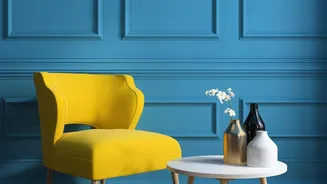
Batik is known for its rich and often vibrant colors, from deep indigos and earthy browns to bright reds and greens. To integrate these into a modern home, use the pattern's colours as your guide. Pick one or two accent colors from the fabric and repeat them in small doses around the room—in a vase, a book spine, or a small art piece. This creates a cohesive look. Alternatively, use Batik to add a pop of color to a neutral space. A brightly patterned cushion on a grey sofa, or a colourful wall hanging in a white room, creates a striking contrast that feels intentional and stylish.
Mix, Don't Match
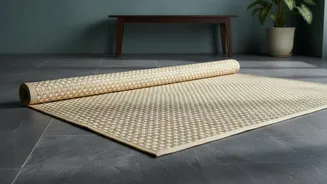
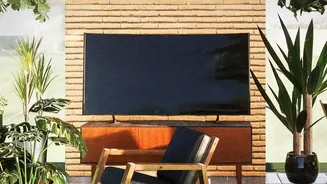
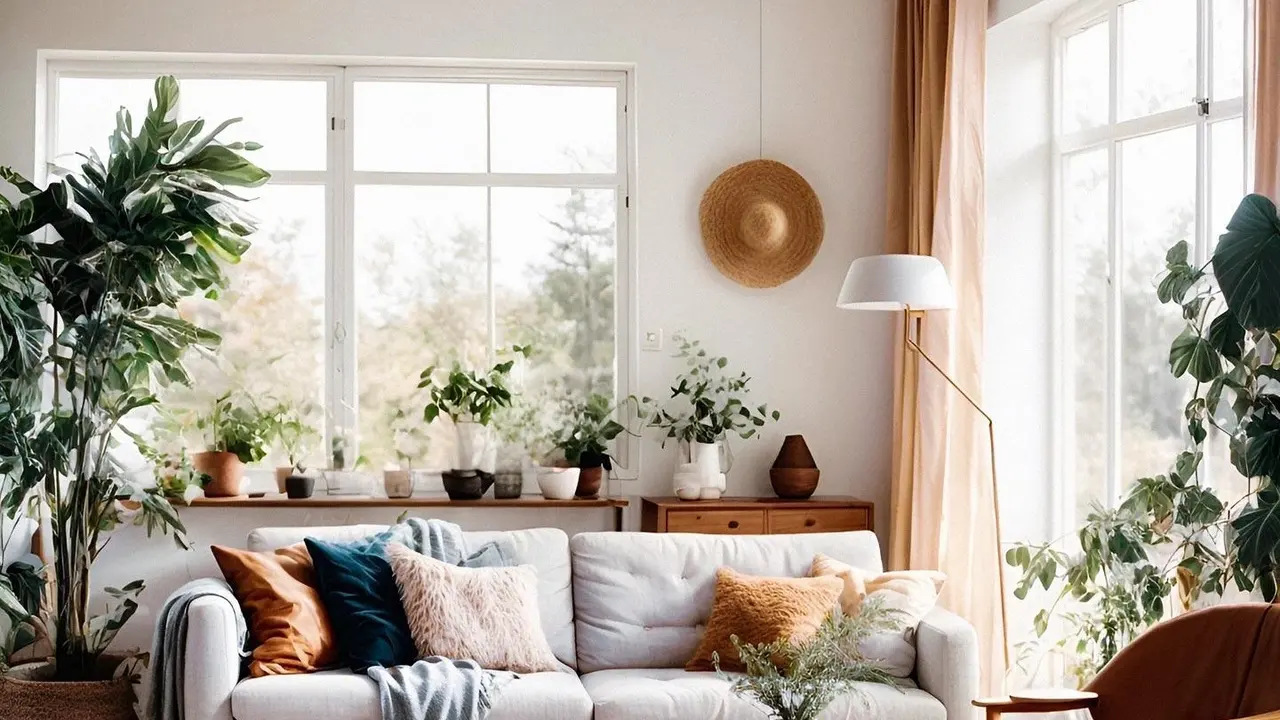
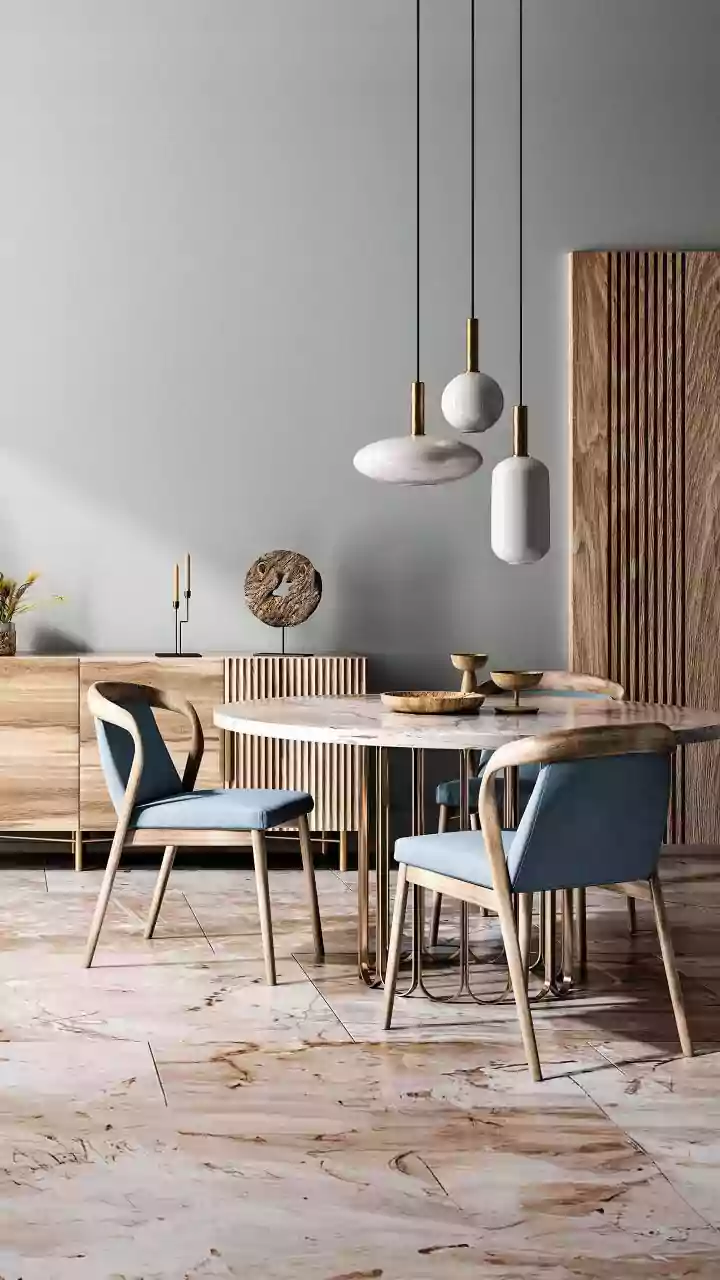
The modern approach to ethnic decor is less about creating a perfectly matched set and more about curating a layered, personal look. Don't be afraid to mix Batik with other textures. The organic feel of Batik pairs beautifully with natural materials like wood, rattan, linen, and jute, which enhance its earthy and handcrafted quality. When mixing patterns, a good rule of thumb is to vary the scale. Pair a large-scale Batik print with a smaller, more subtle geometric or striped pattern. As long as they share a common color, the mix will feel dynamic and interesting rather than chaotic.