





The End of Visa-Free Entry
The most significant change for Indian passport holders is the end of the visa-free entry scheme. Previously, travellers could enter without a visa for a specified period. Now, India has been moved back to the Visa on Arrival (VoA) category. This means
you will need to get a visa stamp at the airport when you land in Thailand, which is typically valid for a stay of up to 15 days. For trips longer than that, you will need to apply for a pre-arranged Tourist e-Visa before you travel. The visa-free arrangement, which had been in place for several years, was officially ended following a Thai Cabinet decision in May 2026 to restructure its immigration framework.
Proof of Sufficient Funds is Crucial
A key point of emphasis in the new checks is the requirement to prove you have enough money for your stay. Immigration authorities may conduct random checks and ask travellers entering on a Visa on Arrival to show they are carrying at least 20,000 Thai Baht per person in cash. This is approximately ₹58,000. It's important to note that credit cards or bank statements are generally not accepted as a substitute; officers may specifically ask to see physical currency. You can carry the equivalent amount in other major currencies like US Dollars or Euros. Failure to show sufficient funds could lead to being denied entry.
Mandatory Digital Arrival Card
Another compulsory step for all travellers is completing the Thailand Digital Arrival Card (TDAC) online. This must be done within 72 hours before you arrive in Thailand. The online form replaces the older paper-based TM6 arrival card and requires you to submit passport and travel details. After submitting the form, you will receive a QR code, which you should keep ready to present at immigration, either on your phone or as a printed copy. Airlines may even deny boarding if you have not completed the TDAC.
Your Pre-Departure Document Checklist
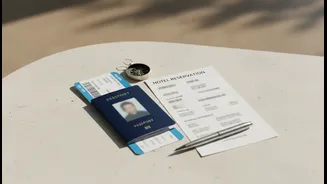
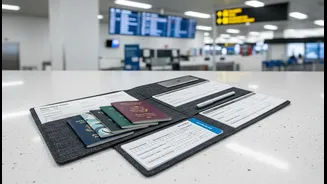
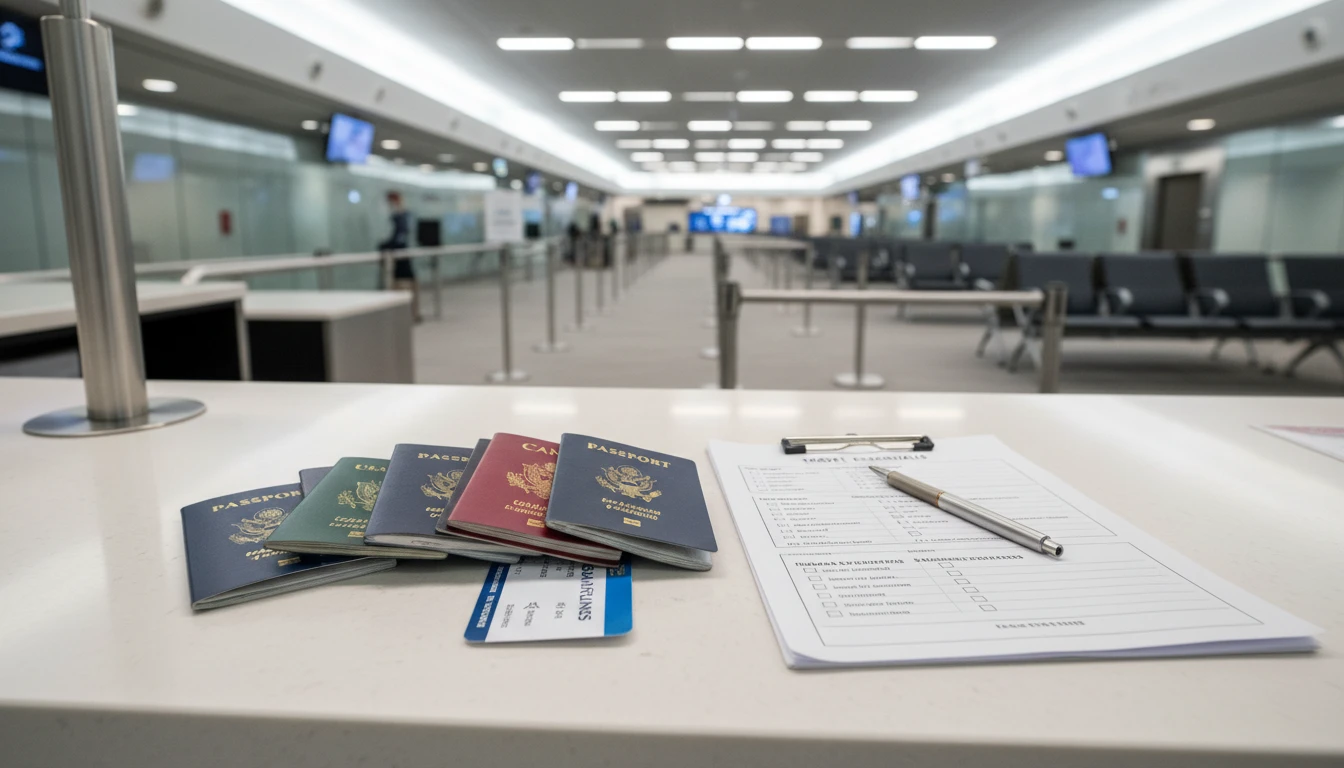
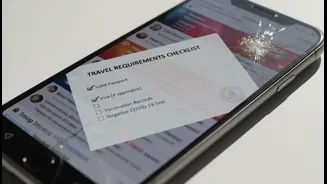
To ensure a hassle-free entry, the Embassy of India has outlined a detailed checklist of documents every traveller should have ready. This isn't just about the visa; it's about proving the purpose and logistics of your trip. Before you head to the airport, make sure you have: a passport with at least six months of validity from your date of arrival; confirmed return or onward flight tickets; and proof of hotel bookings for your entire stay. You should also have a clear travel itinerary prepared. Immigration officials may ask to see any of these documents, so having them organised in one place will make the process much smoother.
Why the Stricter Checks?
These updated rules are part of a broader shift by Thai authorities to tighten border security and move towards a more controlled and digitized immigration system. The changes are not meant to discourage tourism but to ensure that visitors comply with the country's regulations. The previous visa-free scheme was a temporary measure to boost tourism, but the government is now reverting to more standard entry protocols. The increased enforcement reminds travellers that while Thailand is welcoming, entry is conditional on meeting all official requirements.